Introduction: Esports as the New Frontier of Entertainment
Esports, short for electronic sports, has emerged as one of the fastest-growing sectors in the entertainment and sports industries. What began as casual gaming among friends has transformed into a global phenomenon where professional players compete for fame, fortune, and fans. With high-stakes tournaments, multimillion-dollar sponsorships, and global fanbases, esports is no longer niche; it is mainstream. Beyond entertainment, esports represents a cultural shift, blending technology, competition, and media in ways that challenge traditional sports and redefine how we view competition and community.
The Evolution of Competitive Gaming
Competitive gaming has evolved dramatically over the last few decades. In the early 1990s, LAN parties and local tournaments were the primary platforms for gamers to compete. With the rise of the internet, online multiplayer games allowed players to compete globally from their own homes. Titles such as StarCraft, Counter-Strike, and Warcraft became early pillars of professional gaming. By the late 2000s, esports began to professionalize, with organized leagues, live broadcasts, and sponsorship deals becoming commonplace. Today, esports tournaments rival traditional sports events in terms of production quality, viewership, and prize money, with franchises, teams, and leagues operating at levels previously reserved for professional athletes.
The Popularity of Esports Games
Esports encompasses a wide variety of games, each attracting unique audiences and skill sets. Multiplayer online battle arenas, or MOBAs, like League of Legends and Dota 2 are some of the most popular, requiring strategic thinking, teamwork, and split-second decision-making. First-person shooters such as Counter-Strike: Global Offensive and Valorant demand precision, reflexes, and coordination. Fighting games, racing simulations, and real-time strategy games each have their dedicated communities and competitive scenes. The diversity of esports titles ensures there is something for every type of gamer, and the variety continues to fuel the industry’s rapid growth.
The Professionalization of Esports
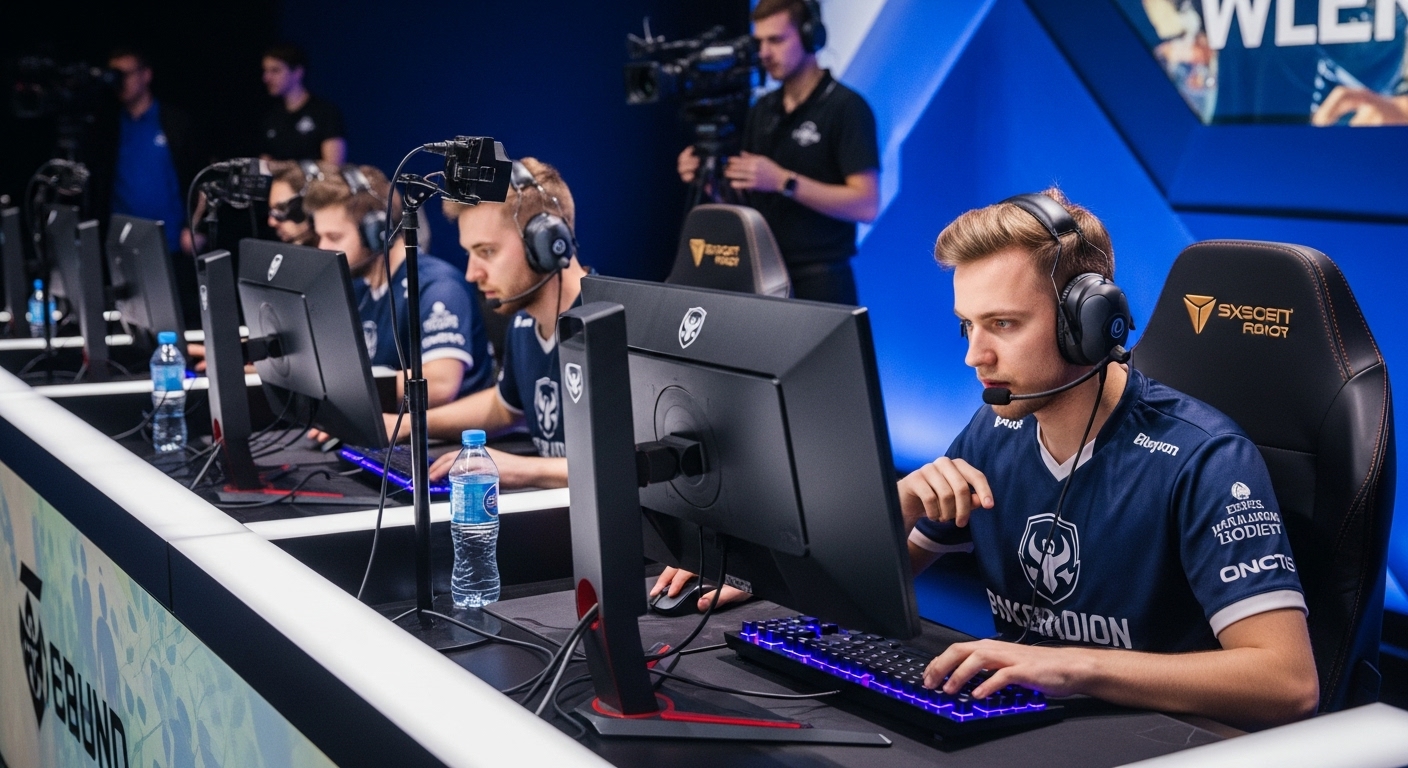
What separates modern esports from casual competitive gaming is professionalism. Professional esports players train rigorously, often dedicating 8 to 12 hours a day to practice, strategy, and physical conditioning. Teams have coaches, analysts, and support staff, mirroring the structure of traditional sports organizations. Sponsorship deals, merchandising, and streaming revenue contribute to a multi-million-dollar ecosystem that sustains players and teams. In some countries, esports athletes are recognized with professional status, contracts, and benefits similar to those of traditional athletes. This professionalization has elevated esports into a legitimate career path, inspiring aspiring players worldwide.
The Role of Streaming Platforms
Streaming platforms have been central to the growth of esports. Services such as Twitch, YouTube Gaming, and other live streaming platforms allow fans to watch competitions, interact with players, and engage with gaming communities in real-time. The live nature of these platforms creates a sense of connection between players and audiences, fostering loyalty and fan engagement. Beyond tournaments, streaming has enabled individual gamers to become influencers, monetize content, and build personal brands. The integration of streaming and competitive gaming has fundamentally changed the relationship between players and fans, creating a dynamic, interactive entertainment experience.
Esports Tournaments and Global Competitions
Esports tournaments have grown from small local events to large-scale international spectacles. Tournaments such as The International (Dota 2), the League of Legends World Championship, and Fortnite World Cup attract millions of viewers worldwide and feature prize pools in the millions of dollars. These events are broadcast live with professional commentary, analytics, and cinematic production quality, creating a spectator experience comparable to traditional sports finals. The global reach of these competitions highlights esports as a borderless phenomenon, connecting diverse cultures through shared passion and competition.
The Economic Impact of Esports
Esports is not just about games; it is a thriving industry with significant economic influence. Sponsorships from major brands, advertising deals, merchandise sales, ticketed events, and media rights contribute to a multi-billion-dollar market. Esports organizations have become investments for venture capitalists, and universities have started offering scholarships for esports athletes. The industry has created numerous jobs, from coaches and analysts to event organizers and content creators. As esports continues to grow, it is influencing marketing, media, and entertainment trends, demonstrating that competitive gaming is a major economic driver, not merely a form of leisure.
Esports and Community Building
One of the defining features of esports is its ability to build communities. Online forums, fan pages, Discord servers, and social media groups bring together people who share the same passion for gaming. Fans discuss strategies, celebrate victories, and follow their favorite players closely. The communal aspect of esports creates a sense of belonging and identity. For many, esports is more than entertainment — it is a cultural and social experience that fosters friendships, collaboration, and collective engagement. These communities also play a crucial role in shaping the future of esports, influencing game development and competitive formats.
Health and Wellbeing in Esports
While esports provides entertainment and career opportunities, it also raises concerns about physical and mental health. Professional players spend long hours training in front of screens, which can lead to eye strain, repetitive stress injuries, and fatigue. Mental health is equally important, as players face high-pressure competitions, intense scrutiny, and demanding schedules. Many organizations now emphasize physical fitness, proper nutrition, and mental health support to ensure players remain in peak condition. Esports illustrates that success requires not only skill and strategy but also holistic health management, bridging the gap between traditional sports and digital competition.
The Future of Esports: Mainstream Recognition
Esports continues to gain mainstream recognition, with countries, universities, and media networks embracing competitive gaming. Some governments have started issuing athlete visas for esports players, acknowledging their status as professional competitors. Colleges and universities are establishing esports programs, providing training, scholarships, and academic support. Media networks are increasingly broadcasting esports competitions, making it accessible to broader audiences. The integration of esports into mainstream culture signals its potential to become a permanent fixture in entertainment, sports, and global media landscapes.
Technology Driving Esports Innovation
Technology is at the core of esports’ growth. Advanced gaming hardware, fast internet connectivity, cloud computing, and analytics software enhance player performance and viewer experiences. Virtual reality and augmented reality are beginning to expand the boundaries of esports, creating immersive competition formats. AI-driven analytics help teams analyze gameplay, devise strategies, and improve performance. Technology ensures that esports remains dynamic, continually evolving, and capable of offering novel experiences for both players and audiences.
Challenges Facing the Esports Industry
Despite its rapid growth, esports faces challenges. Regulatory oversight is still developing, leading to questions about fair play, player contracts, and gambling. Issues such as toxicity in online communities, cheating, and mental health pressures must be addressed to sustain growth. The industry also needs standardized career paths, better player protections, and clear governance structures. Overcoming these challenges will be crucial for esports to maintain credibility, attract investors, and achieve long-term sustainability.
Esports as an Educational Tool
Esports has also started to make an impact in education. Universities offer courses in game design, event management, broadcasting, and esports business, equipping students with practical skills. Beyond career preparation, esports teaches strategic thinking, teamwork, problem-solving, and time management. These skills are transferable to other fields, making esports a valuable tool for personal and professional development. By integrating competitive gaming into educational programs, institutions are recognizing its potential as both an entertainment and learning platform.
Conclusion: Esports as a Cultural and Economic Force
Esports has transformed from casual gaming into a global industry that blends entertainment, technology, and competition. It offers career opportunities, builds communities, and generates significant economic value. With professional leagues, tournaments, and streaming platforms, esports has achieved mainstream recognition and continues to grow rapidly. While challenges remain, including player health, regulatory oversight, and community management, the potential of esports is undeniable. It represents a new era of entertainment that is interactive, global, and technologically driven. As esports continues to evolve, it will redefine how we view competition, media, and cultural engagement, cementing its place as a lasting phenomenon in the world of modern entertainment.