Esports, short for electronic sports, has rapidly evolved from a niche hobby into a global industry that influences culture, economy, and technology. What began as casual online gaming among friends has transformed into professional competitions, large-scale tournaments, and a career path for millions. This blog explores the growth of esports, the skills it requires, its cultural impact, and the opportunities it offers for players, fans, and businesses alike.
The Birth and Rise of Esports
The origins of esports date back to the late 20th century when arcade games and early video games like Pac-Man and Space Invaders inspired local competitions. However, competitive gaming truly took shape in the late 1990s and early 2000s with the rise of multiplayer games and online platforms. Titles such as StarCraft, Counter-Strike, and Warcraft became the foundation for organized tournaments and professional gaming.
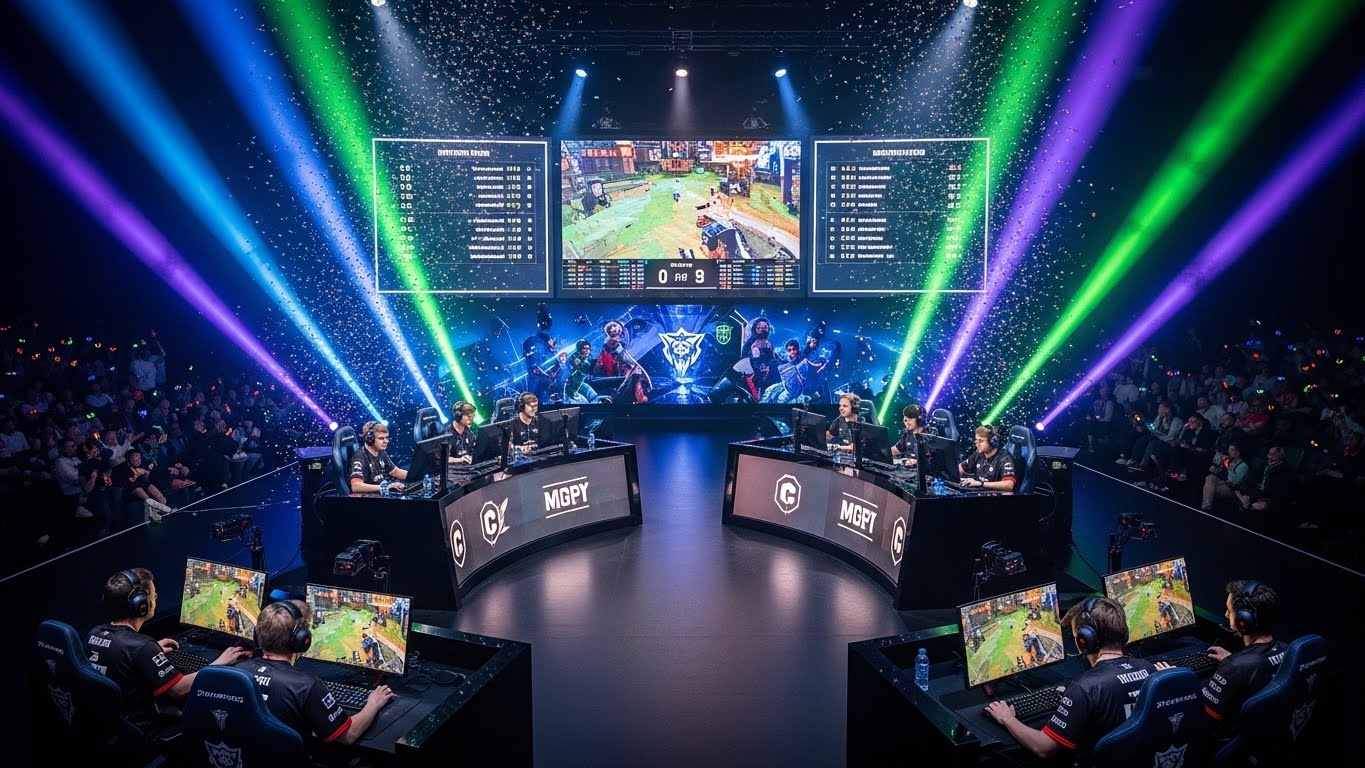
With the advent of high-speed internet and global connectivity, players could compete across countries and continents. This expansion led to the creation of formal esports leagues and events, turning gaming into a spectator sport. Today, esports tournaments attract millions of viewers, rivaling traditional sporting events in both audience size and revenue.
Understanding Esports Competitions
Esports competitions are structured similarly to traditional sports leagues. Players are often part of professional teams that practice extensively, develop strategies, and compete in tournaments ranging from local competitions to global championships. The games themselves span multiple genres, including real-time strategy, first-person shooters, battle royale, and sports simulations, each requiring unique skills and tactics.
Unlike conventional sports, esports is fully digital. This allows for instant replays, live streaming, and interactive engagement with audiences. The digital nature also provides detailed performance analytics, enabling teams to refine strategies and track individual and team performance over time.
Essential Skills for Esports Players
Success in esports requires a combination of technical, cognitive, and social skills. Reflexes, hand-eye coordination, and precise control are fundamental for executing complex maneuvers during gameplay. Strategic thinking and situational awareness are equally important, allowing players to anticipate opponents’ moves and respond quickly under pressure.
Mental resilience is crucial. Professional esports players face intense competition and high expectations from fans, sponsors, and team organizations. Learning to manage stress, recover from mistakes, and maintain focus during long hours of play is essential for sustained success.
Physical and Mental Challenges in Esports
While esports may appear physically sedentary, it presents unique challenges. Extended gaming sessions can lead to repetitive strain injuries, vision problems, and posture-related issues. Many professional teams now incorporate physical fitness routines, stretching exercises, and ergonomic practices to maintain player health.
Mental health is another critical factor. The pressure of competition, public scrutiny, and burnout can affect players’ well-being. Teams increasingly employ psychologists and wellness coaches to help players manage stress, develop resilience, and maintain a balanced lifestyle. These initiatives highlight the importance of a holistic approach to esports performance.
Global Influence and Cultural Impact
Esports has a significant global influence, both economically and culturally. International tournaments draw millions of viewers, creating a sense of global community among fans. Cities hosting major events experience increased tourism, local business growth, and international recognition.
Culturally, esports fosters inclusivity and connectivity. Players and fans from diverse backgrounds can collaborate and compete, transcending geographic, social, and economic barriers. The shared passion for games creates communities, fan bases, and social networks, redefining what it means to be part of a competitive culture.
Education and Esports
Educational institutions are beginning to recognize esports as a legitimate avenue for personal and professional growth. Many schools and universities now offer esports scholarships, develop varsity teams, and integrate gaming programs into curricula to teach strategy, teamwork, and digital literacy.
Esports education emphasizes discipline, communication, and leadership. Participation in organized teams teaches students about goal setting, collaboration, and time management. It also encourages creativity, problem-solving, and technical skills that are highly transferable to other professional fields.
Streaming Platforms and Content Creation
The growth of esports is closely tied to streaming and content creation. Platforms that allow players to broadcast matches live enable fans to engage directly with competitions and interact with players. These platforms have democratized viewership, allowing even small tournaments to reach global audiences.
Content creation extends beyond live streaming. Players produce tutorials, gameplay highlights, commentary, and behind-the-scenes content to engage fans and expand their reach. Sponsorships, subscriptions, and advertising opportunities further enhance revenue, creating sustainable careers in esports beyond tournament winnings.
Women and Diversity in Esports
Historically, esports has been male-dominated, but the landscape is changing. Women are increasingly participating as players, commentators, and influencers, breaking stereotypes and promoting inclusivity. Many organizations now host women-specific tournaments, mentorship programs, and initiatives to ensure a safe and welcoming environment for all players.
Diversity strengthens the industry by introducing fresh perspectives, broadening the fan base, and creating a more dynamic competitive environment. Encouraging participation from underrepresented groups fosters innovation and sets a precedent for fairness and equality in esports.
Business and Economic Significance
Esports has grown into a multi-billion-dollar industry. Revenue streams include tournament winnings, media rights, sponsorships, merchandise, and advertising. Companies recognize esports as a platform to engage younger audiences, driving marketing strategies and brand visibility.
Professionalization is a key focus. Standardized player contracts, team regulations, and league governance ensure fair play and protect the rights of players. These structures contribute to the long-term sustainability of the industry and attract investors, solidifying esports as a serious business.
Career Opportunities in Esports
Esports provides a wide range of career opportunities. Players may pursue professional competition, coaching, or strategic analysis. Other roles include event management, broadcasting, marketing, content creation, and technical development. Skills developed through esports, such as strategic planning, teamwork, and digital proficiency, are applicable across numerous industries.
Even after active competition, many players transition into coaching, commentary, or management positions. The versatility of skills gained in esports ensures longevity and continuous involvement in the industry.
The Future of Esports
The future of esports is poised for growth and innovation. Emerging technologies such as virtual reality, augmented reality, and artificial intelligence will enhance gameplay, training, and fan interaction. Hybrid competitions combining physical and digital elements may redefine traditional esports formats.
Esports is also gaining recognition as a professional sport worldwide. Government support, international tournaments, and the integration of esports into national sports programs highlight its legitimacy. The industry is set to continue its upward trajectory, impacting entertainment, technology, and global culture for years to come.
Social Impact and Community Building
Esports has redefined social engagement in the digital age. Online communities form around shared interests, fan clubs, and collaborative projects. Players connect with others across countries, fostering global networks of support and camaraderie.
The social impact of esports extends to education, career development, and cultural exchange. It provides opportunities for networking, mentorship, and skill development, creating meaningful interactions that extend beyond the digital screen.
Conclusion
Esports is more than just competitive gaming; it is a cultural, economic, and technological revolution. From its humble beginnings in arcades to today’s multi-million-dollar tournaments, esports has reshaped how people play, watch, and interact with games.
It offers opportunities for personal growth, professional development, and global connectivity. With an emphasis on skill, strategy, teamwork, and innovation, esports represents the future of competitive entertainment. The digital arena is not just a place to play games—it is a platform where ambition, talent, and creativity meet, redefining what it means to be an athlete in the modern era.