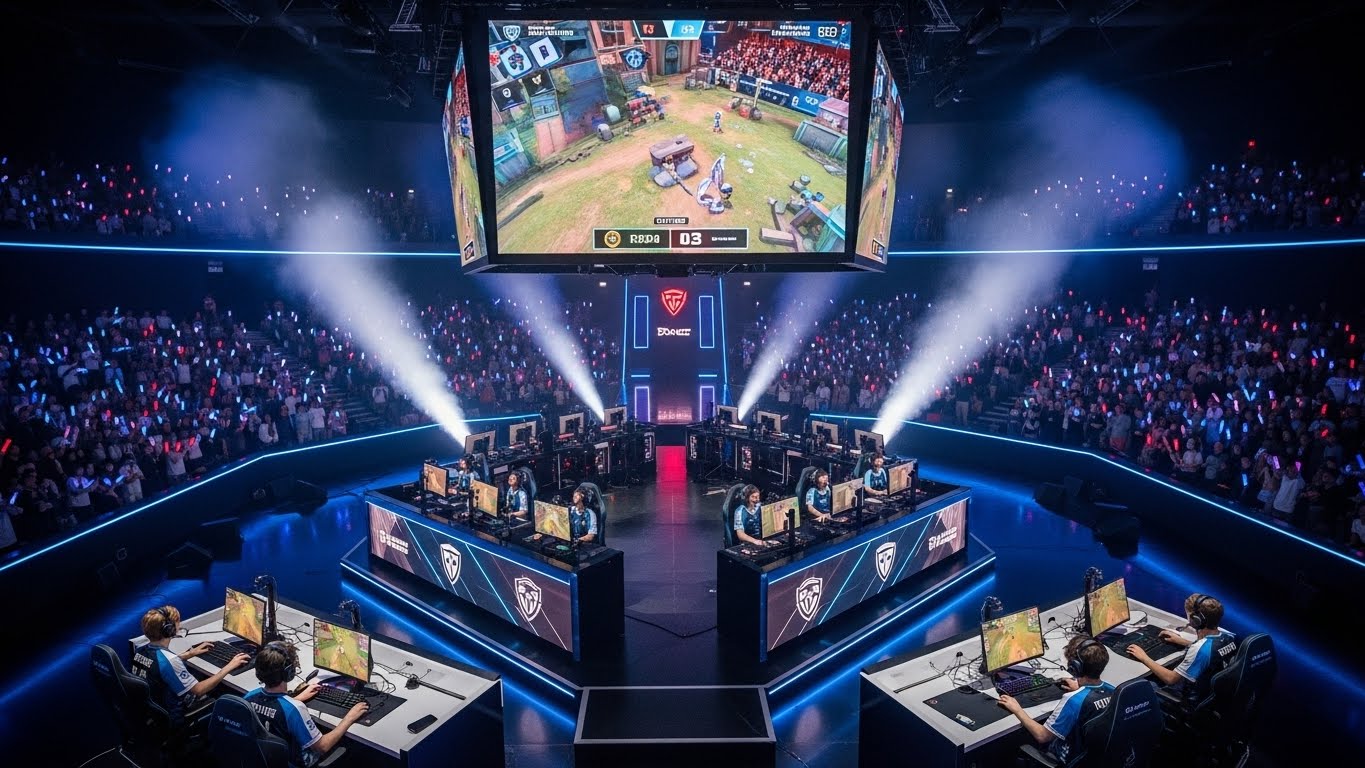
Esports, short for electronic sports, has transformed from casual gaming sessions into a highly organized, professional, and globally celebrated form of competition. What was once considered a niche hobby is now a mainstream industry attracting millions of players, spectators, and investors worldwide. Esports blends technology, strategy, teamwork, and entertainment, creating a digital arena where skill and intellect define success. This blog explores the evolution of esports, its cultural and economic impact, and its growing role in modern society.
The Origins of Esports
The roots of esports can be traced back to early video game competitions in arcades and computer labs. In the late twentieth century, players gathered to compete for high scores and local recognition. As gaming technology advanced, multiplayer games introduced structured competition, allowing players to challenge one another in real time.
The rise of the internet played a pivotal role in shaping esports. Online connectivity enabled global participation, transforming small competitions into international events. Competitive gaming gradually evolved into organized tournaments, professional teams, and dedicated fan communities, laying the foundation for today’s esports ecosystem.
Understanding the Esports Ecosystem
Esports operates through a structured ecosystem similar to traditional sports. Professional players are signed to teams, coached, and trained through rigorous practice schedules. Tournaments are organized at local, regional, and international levels, often featuring prize pools and championship titles.
Different genres define esports competition. Strategy-based games require tactical planning and decision-making, while action-focused games demand fast reflexes and precision. Team-based titles emphasize coordination and communication, highlighting the importance of collective performance over individual skill alone.
Skills That Define Esports Athletes
Esports athletes require a unique blend of skills that go beyond casual gaming. Technical mastery, including hand-eye coordination and reaction speed, is essential for high-level play. Strategic thinking allows players to anticipate opponents’ actions and adapt to evolving game scenarios.
Mental strength is equally important. Professional players face intense pressure, long practice hours, and public scrutiny. The ability to stay focused, manage stress, and recover from setbacks separates elite competitors from average players. Esports demands discipline, consistency, and a commitment to continuous improvement.
Physical and Mental Health in Esports
Although esports is primarily digital, physical health remains an important consideration. Long gaming sessions can lead to issues such as eye strain, posture problems, and repetitive stress injuries. Many professional teams incorporate physical training, stretching routines, and ergonomic setups to protect players’ well-being.
Mental health is a growing focus within esports. Competition pressure, performance expectations, and online criticism can affect players’ emotional well-being. Teams increasingly support players with mental coaching, stress management techniques, and balanced schedules, recognizing that peak performance requires a healthy mind and body.
Esports as a Cultural Movement
Esports has become a powerful cultural force, particularly among younger generations. It influences fashion, language, music, and digital trends. Fans form strong emotional connections with teams and players, celebrating victories and enduring losses together.
Streaming platforms and online communities have expanded esports culture beyond tournaments. Fans interact with players, discuss strategies, and create content, fostering a sense of belonging. Esports culture values skill, dedication, and innovation, redefining traditional ideas of athleticism and competition.
Economic Impact of Esports
The esports industry has grown into a significant economic sector. Revenue is generated through tournaments, sponsorships, media rights, merchandise, and digital content. Events attract tourism, create jobs, and boost local economies.
Brands increasingly invest in esports to connect with global, digitally engaged audiences. Professionalization within the industry has led to structured contracts, team management, and business operations, ensuring long-term sustainability and growth.
Education and Career Opportunities
Esports has opened new pathways in education and careers. Schools and universities are introducing esports programs, offering scholarships and developing competitive teams. These programs teach teamwork, leadership, communication, and strategic thinking.
Career opportunities extend beyond professional play. Coaching, analysis, broadcasting, event management, content creation, and marketing are essential roles within the esports ecosystem. Skills developed through esports are transferable to technology, media, and business sectors, making esports a valuable professional foundation.
Diversity and Inclusion in Esports
Esports has the potential to be one of the most inclusive forms of competition. Players from different backgrounds, regions, and abilities can compete on equal footing. While the industry has historically faced challenges related to representation, efforts to promote diversity are increasing.
Women and underrepresented groups are gaining visibility as players, commentators, and leaders. Inclusive initiatives and community guidelines aim to create safer, more welcoming environments, ensuring that esports reflects a wide range of voices and experiences.
The Role of Fans and Community
Fans are central to the success of esports. Their engagement drives viewership, supports teams, and fuels the industry’s growth. Online communities allow fans to discuss matches, analyze gameplay, and celebrate shared passions.
Community-driven events, amateur tournaments, and fan-created content strengthen the bond between players and audiences. Esports thrives on interaction, making fans active participants rather than passive spectators.
Technological Innovation in Esports
Technology is the backbone of esports. Advancements in gaming hardware, software, and network infrastructure enable smooth, competitive gameplay. Data analytics tools help teams analyze performance, develop strategies, and improve training methods.
Broadcasting technology enhances viewer experience through high-quality visuals, commentary, and real-time statistics. Innovation continues to shape how esports is played, watched, and understood, pushing the boundaries of digital competition.
Challenges Facing the Esports Industry
Despite its growth, esports faces challenges. Player burnout, ethical concerns, and inconsistent regulations remain issues. Ensuring fair competition, protecting player rights, and maintaining integrity are ongoing priorities.
Balancing commercial interests with community values is essential for long-term success. The industry must address these challenges responsibly to sustain trust and credibility among players and fans.
The Future of Esports
The future of esports is filled with opportunity. As technology evolves, esports will become more immersive, interactive, and accessible. New game genres, innovative tournament formats, and expanded global participation will continue to drive growth.
Esports is increasingly recognized as a legitimate form of sport and entertainment. Its integration into education, media, and mainstream culture suggests that competitive gaming will remain a defining feature of the digital era.
Esports as a Reflection of Modern Competition
Esports represents a shift in how society views competition. It values intellect, strategy, teamwork, and adaptability over physical strength alone. This modern form of competition resonates with a generation raised in a digital world.
By combining technology and human skill, esports reflects the evolving nature of achievement and excellence. It demonstrates that competition can thrive in virtual spaces while maintaining the values of dedication, discipline, and fair play.
Conclusion
Esports has grown from simple gaming contests into a global phenomenon that influences culture, economy, and entertainment. It offers new forms of competition, connection, and career opportunities, redefining what it means to be an athlete in the digital age.
As esports continues to evolve, it will shape how people play, watch, and engage with competition. With its emphasis on skill, innovation, and community, esports is not just a trend but a lasting transformation of modern sports and entertainment. The digital arena is here to stay, and its impact is only beginning to unfold.