Introduction: The Rise of a Digital Arena
Esports has evolved from casual gaming sessions into a global competitive phenomenon that rivals traditional sports in scale, intensity, and influence. What once took place in bedrooms and local gaming cafes now fills massive arenas, attracts millions of viewers, and generates careers that were unimaginable a generation ago. Esports is no longer just about playing games; it is about storytelling, community, innovation, and the transformation of how competition is experienced in the digital age. This blog explores the world of esports, its growth, its cultural impact, and why it continues to shape the future of entertainment and sport.
Understanding Esports and Its Foundations
Esports, short for electronic sports, refers to organized competitive video gaming where individuals or teams compete under structured rules. Unlike casual gaming, esports demands discipline, strategy, teamwork, and continuous training. Popular esports titles span multiple genres, including strategy, shooting, sports simulations, and battle arenas. Each game creates its own ecosystem with professional leagues, tournaments, teams, and fan bases. What unites them is the competitive spirit and the pursuit of excellence in a digital environment.
From Hobby to Global Industry
The journey of esports from niche hobby to global industry has been rapid and remarkable. Early competitive gaming events were small and community-driven, often organized by passionate players. Over time, improvements in internet connectivity, live streaming technology, and gaming hardware allowed competitions to reach wider audiences. Sponsors, investors, and media companies soon recognized the potential of esports, transforming it into a structured industry with professional management, marketing, and long-term planning. Today, esports generates substantial revenue through sponsorships, media rights, merchandise, and live events, solidifying its place in the global economy.
The Professional Esports Athlete
At the heart of esports are the players, often referred to as professional esports athletes. These individuals dedicate countless hours to mastering their chosen game. Their routines resemble those of traditional athletes, involving practice schedules, strategy analysis, physical fitness, and mental conditioning. Reaction time, hand-eye coordination, communication, and decision-making under pressure are critical skills. Many players begin training at a young age, and competition at the highest level is intense. Success requires not only talent but also resilience, adaptability, and a strong support system.
Teams, Coaches, and Support Systems
Esports is rarely a solo endeavor. Professional teams are supported by coaches, analysts, managers, and medical staff. Coaches develop strategies, analyze opponents, and help players improve performance. Analysts study game data to identify strengths, weaknesses, and trends. Managers handle logistics, contracts, and public relations. Increasingly, teams also employ sports psychologists and fitness trainers to support player well-being. This comprehensive structure reflects the maturity of esports as a professional discipline and underscores the importance of teamwork beyond the game itself.
Tournaments and the Spectator Experience
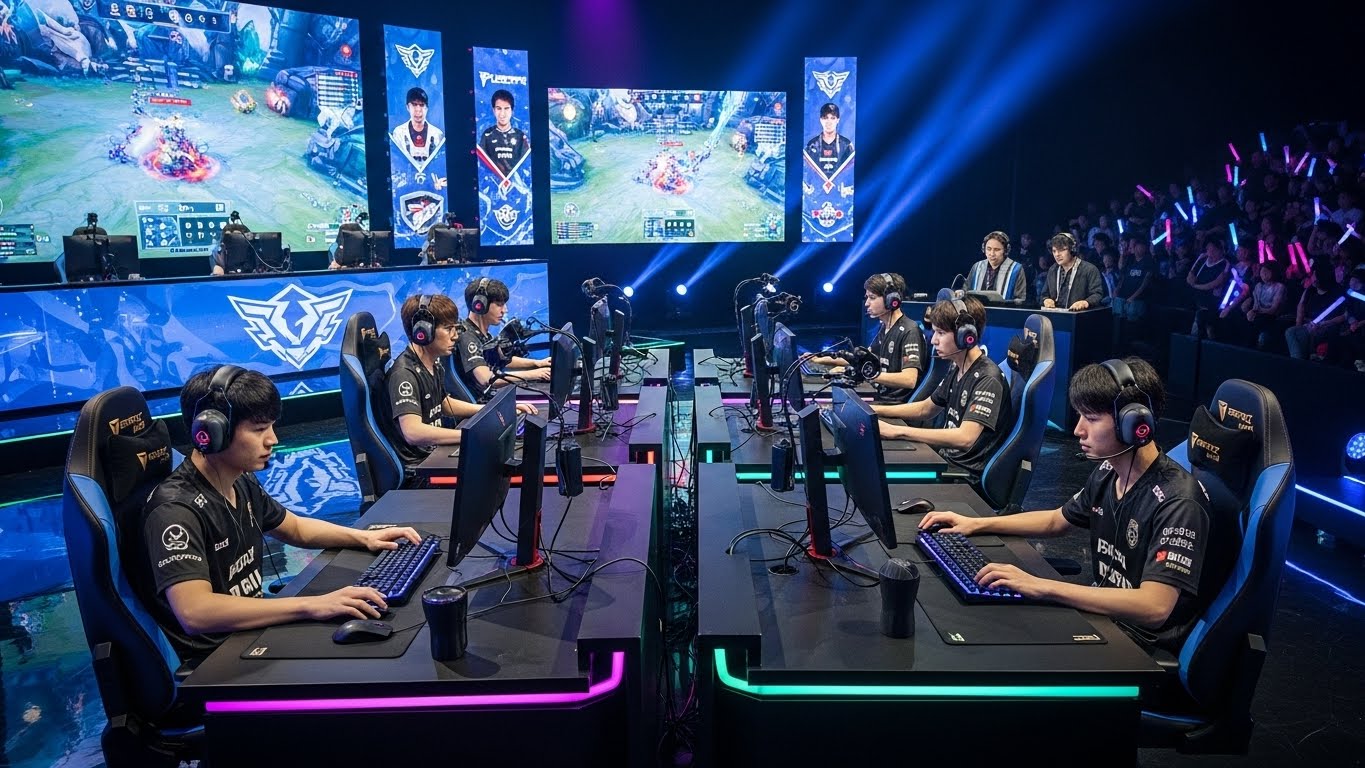
Esports tournaments are the centerpiece of the competitive scene. They range from online qualifiers to international championships held in large venues. These events are designed not only for players but also for spectators. High-quality production, commentary, and immersive visuals enhance the viewing experience. Fans follow their favorite teams and players with the same passion seen in traditional sports. The accessibility of esports broadcasts allows viewers from around the world to engage in real time, fostering a truly global audience.
Community and Fan Culture
One of the most powerful aspects of esports is its community. Fans do more than watch matches; they participate in discussions, create content, and support teams through social interaction and shared identity. Esports communities are built around games, teams, and personalities, creating spaces where people from different backgrounds connect through a shared passion. This sense of belonging strengthens loyalty and drives long-term engagement. Fan culture also influences the direction of esports, as developers and organizers often respond to community feedback.
Technology as the Backbone of Esports
Technology plays a central role in the growth and sustainability of esports. Advances in gaming hardware, graphics, and networking enable fair and competitive play. Streaming platforms allow matches to be broadcast globally with minimal delay. Data analytics tools help teams refine strategies and improve performance. Virtual reality and augmented reality are beginning to enhance spectator experiences, hinting at future possibilities. As technology continues to evolve, esports will remain at the forefront of digital innovation.
Education and Career Opportunities
Esports has created a wide range of career opportunities beyond playing professionally. Roles in coaching, event management, marketing, broadcasting, game development, and journalism are increasingly common. Educational institutions have begun offering esports programs, scholarships, and dedicated facilities. These initiatives recognize esports as a legitimate field of study and career development. For many young people, esports provides a pathway to combine passion with professional growth in the digital economy.
Health, Balance, and Responsibility
Despite its many benefits, esports also faces challenges related to health and balance. Long hours of practice can lead to physical strain, mental fatigue, and burnout. The industry is becoming more aware of these issues, promoting healthier routines and support systems. Responsible gaming, proper ergonomics, regular exercise, and mental health awareness are increasingly emphasized. Addressing these concerns is essential to ensuring the long-term sustainability of esports and the well-being of its participants.
Esports and Mainstream Recognition
Esports is steadily gaining recognition from mainstream institutions. Traditional sports organizations, brands, and media outlets have entered the esports space, bringing additional legitimacy and resources. Esports athletes are now recognized as professionals, and major events are covered alongside traditional sports. This crossover highlights the changing definition of sport and competition in the modern world, where physical and digital skills coexist.
Cultural Impact and Global Influence
Esports has a unique cultural impact, especially among younger generations. It shapes how people socialize, communicate, and consume entertainment. Esports transcends geographical boundaries, allowing players and fans from different countries to compete and connect. This global nature promotes cultural exchange and mutual understanding. Esports also reflects broader trends in digital culture, including interactivity, personalization, and community-driven content.
The Future of Esports
The future of esports appears promising and dynamic. Continued technological advancements, expanding audiences, and increased investment will drive further growth. New game titles, formats, and competitive structures will emerge, keeping the ecosystem fresh and engaging. As esports continues to mature, it will likely integrate even more closely with education, entertainment, and traditional sports. The challenge will be to balance growth with integrity, inclusivity, and player welfare.
Conclusion: A New Era of Competition
Esports represents a new era of competition that blends technology, skill, and community in unprecedented ways. It has redefined what it means to be an athlete, a fan, and a professional in the digital age. From its humble beginnings to its current global presence, esports continues to evolve and inspire millions around the world. As screens become arenas and games become careers, esports stands as a powerful example of how passion and innovation can reshape culture and create opportunities for generations to come.