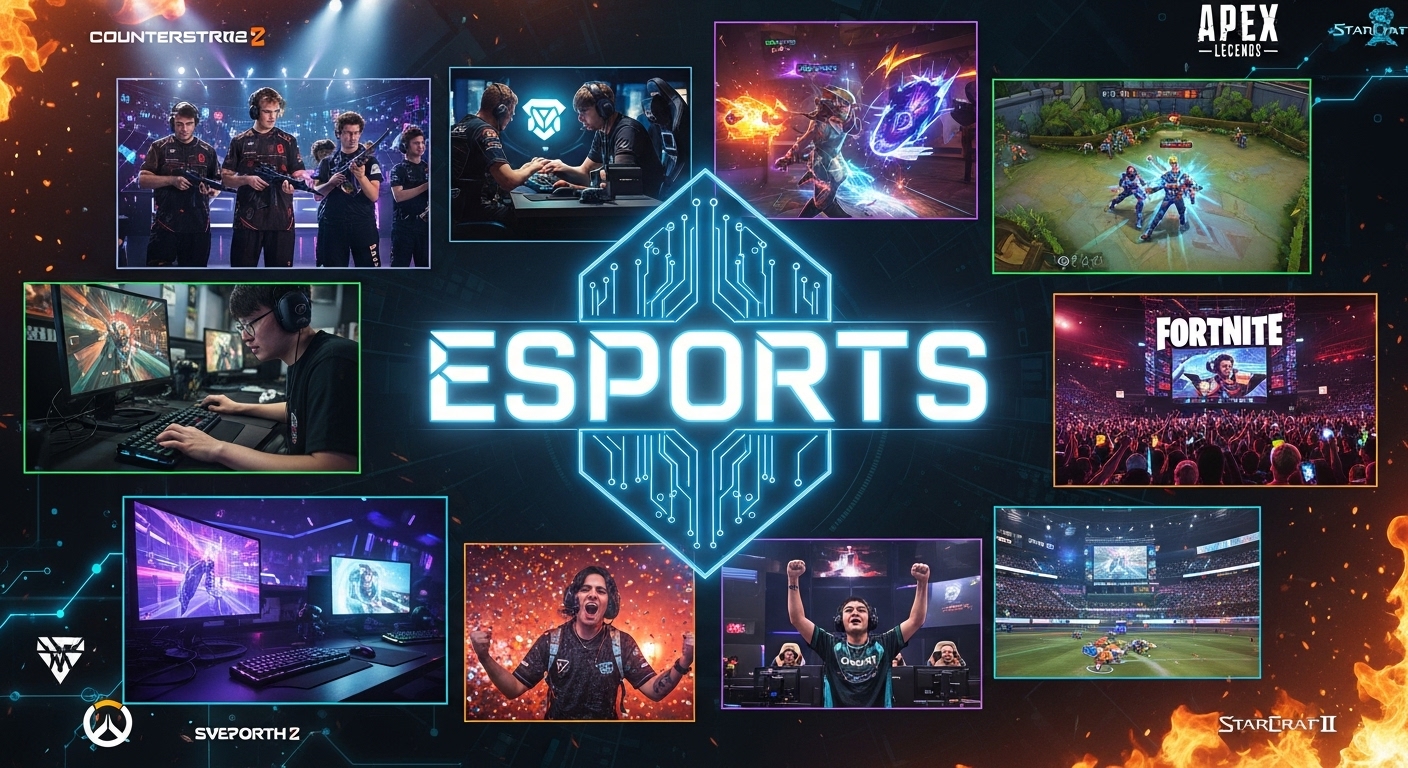
Esports, short for electronic sports, has transformed the gaming industry and redefined the concept of competitive entertainment. What began as casual video game competitions in arcades and local tournaments has now grown into a multi-billion-dollar global phenomenon. Professional players, teams, sponsors, and massive audiences around the world contribute to a rapidly expanding ecosystem that blends technology, entertainment, and sport.
The influence of esports extends far beyond gaming itself. It affects culture, technology, business, education, and social interaction. With live-streamed tournaments attracting millions of viewers, corporate sponsorships reaching unprecedented levels, and universities offering esports scholarships, esports has become a legitimate career path and a cultural force. This blog explores the rise of esports, its evolution, impact, economic significance, and future trends.
The Origins of Esports
The roots of esports trace back to the 1970s and 1980s when arcade gaming became popular. Early competitions were often informal, held in arcades where players challenged each other for high scores. Classic games like Space Invaders and Pac-Man set the stage for competitive gaming by fostering a community of passionate players.
The 1990s marked a pivotal era with the rise of personal computers and the internet. Games like Doom, Quake, and StarCraft allowed players to compete over networks, creating the first online competitive experiences. LAN tournaments and early gaming leagues emerged, laying the groundwork for professional esports.
As technology advanced, game developers began designing games with competitive balance in mind, recognizing the potential for organized tournaments. By the early 2000s, esports had evolved from niche hobbyist competitions to organized events with structured leagues and growing audiences.
The Explosion of Multiplayer Gaming
One of the key drivers of esports growth has been multiplayer gaming. Competitive games require skill, strategy, and coordination, making them ideal for esports. Multiplayer online battle arenas (MOBAs), first-person shooters (FPS), real-time strategy (RTS), and fighting games became the backbone of competitive play.
Games like League of Legends, Dota 2, Counter-Strike, Overwatch, and Fortnite dominate esports today. Each title offers unique gameplay mechanics, strategic depth, and spectator-friendly experiences. Multiplayer competition provides endless variability, ensuring that no two matches are exactly alike. This unpredictability keeps audiences engaged and players constantly striving to improve their skills.
The rise of online matchmaking, ranked systems, and global leaderboards further fueled competition. Players could now measure themselves against a worldwide talent pool, creating opportunities for recognition, sponsorships, and professional careers.
Professionalization of Esports
Esports has undergone significant professionalization over the past decade. What was once casual competition is now structured like traditional sports. Professional leagues, standardized rules, contracts, coaching staff, and dedicated training facilities are now commonplace.
Teams operate as businesses, signing players to contracts, providing salaries, housing, and support staff. Tournaments have prize pools rivaling those of traditional sports, with multi-million-dollar championships becoming annual highlights. The International, Dota 2’s premier tournament, is a prime example, offering tens of millions in prize money.
The professionalization of esports has created career paths not only for players but also for coaches, analysts, commentators, event organizers, and content creators. This ecosystem mirrors traditional sports in complexity and scale, demonstrating that esports is more than just a hobby—it is a viable industry.
Streaming and Audience Engagement
The rise of streaming platforms has been instrumental in esports’ success. Platforms like Twitch, YouTube Gaming, and Facebook Gaming allow fans to watch live competitions, follow favorite players, and engage with communities in real-time.
Streaming has made esports highly accessible. Fans can watch tournaments from anywhere in the world, interact through chat, and participate in fan communities. The integration of interactive features, commentary, and live reactions enhances the viewing experience, making esports engaging and dynamic.
Audience engagement is further amplified through social media, highlights, memes, and fan-generated content. Streaming has democratized access to esports, allowing smaller creators and niche games to build audiences and gain recognition. This interactivity creates a vibrant ecosystem that sustains interest and drives growth.
Economic Impact of Esports
Esports has become a multi-billion-dollar industry, with revenue streams from sponsorships, advertising, media rights, merchandise, ticket sales, and in-game purchases. Corporate sponsors recognize the potential of esports to reach young, tech-savvy audiences, investing heavily in branding and partnerships.
Teams generate revenue not only from tournament winnings but also from sponsorships, streaming, and merchandise sales. Esports organizations operate globally, managing multiple teams across different games and regions, diversifying income streams.
The economic impact extends beyond teams and players. Event organizers, broadcasters, production companies, and technology providers benefit from the growing ecosystem. Cities hosting major tournaments see increased tourism, hospitality revenue, and media exposure, further solidifying esports as a powerful economic force.
Educational and Career Opportunities
Esports has also expanded opportunities in education and career development. Universities worldwide now offer esports programs, scholarships, and facilities for competitive gaming. These programs teach not only gameplay skills but also strategy, teamwork, communication, and digital media expertise.
Students can pursue careers in game design, event management, marketing, broadcasting, and content creation within the esports ecosystem. The professionalization of esports ensures that talent and dedication are rewarded, providing a legitimate pathway for young players and enthusiasts to turn their passion into a career.
Esports also teaches transferable skills such as discipline, strategic thinking, and leadership. These abilities are valuable in various professional contexts, demonstrating that esports contributes to both personal and professional development.
Cultural Impact of Esports
Esports has influenced popular culture, shaping trends in gaming, entertainment, and social media. Professional players have become celebrities, attracting fan followings similar to traditional sports stars. Cosplay, fan art, and community events further embed esports into cultural consciousness.
The global nature of esports fosters cross-cultural interaction. Players and fans from different countries collaborate, compete, and communicate, creating diverse communities united by shared passion. Esports also promotes inclusivity, offering opportunities for people regardless of physical ability, gender, or geographic location.
Additionally, esports has influenced media production, with documentaries, series, and films exploring the competitive scene. These portrayals have broadened awareness and legitimized esports as a professional pursuit.
Challenges Facing Esports
Despite its rapid growth, esports faces several challenges. Player burnout and mental health are significant concerns, as intense training schedules and high-pressure competition can lead to stress and exhaustion. Organizations must prioritize wellness and sustainable career management.
Regulation and standardization are still developing. Discrepancies in rules, cheating, and inconsistent tournament structures pose challenges to credibility. Additionally, accessibility and gender representation remain issues that the industry is actively addressing.
Sponsorship reliance and economic sustainability are also challenges. While the industry has grown rapidly, fluctuations in funding, market saturation, and shifting audience trends require careful management to ensure long-term stability.
Technology Driving Esports Growth
Technology is at the heart of esports. High-speed internet, powerful gaming hardware, streaming platforms, and advanced analytics have enabled competitive gaming to reach global audiences. AI-driven tools analyze gameplay, provide performance feedback, and enhance strategic understanding.
Virtual reality and augmented reality represent the next frontier for esports. Immersive experiences will redefine competition, spectator engagement, and gameplay mechanics. Innovations in broadcasting technology, such as interactive overlays and real-time statistics, further enhance the viewing experience.
As technology continues to evolve, esports will continue to push the boundaries of entertainment, engagement, and interactivity.
The Future of Esports
The future of esports is bright, with continued growth in audience size, revenue, and cultural influence. Traditional sports organizations are investing in esports teams and leagues, bridging the gap between conventional athletics and digital competition.
Esports is likely to expand into mainstream entertainment, with hybrid events combining physical venues, virtual spectators, and global streaming. Educational integration will grow, creating formalized pathways for players and industry professionals.
Technological advancements, including VR, AR, and AI, will redefine gameplay and viewer experiences. The industry will also focus on sustainability, inclusivity, and player welfare, ensuring that esports remains a positive and engaging global phenomenon.
Conclusion
Esports represents the convergence of technology, entertainment, and competitive spirit. From humble beginnings in arcades and LAN parties to multi-million-dollar global tournaments, esports has transformed the gaming landscape and redefined what it means to compete.
The industry impacts culture, education, and the economy, providing career opportunities, fostering creativity, and bringing together communities worldwide. Despite challenges such as burnout, regulation, and accessibility, esports continues to grow in influence and legitimacy.
As technology advances and audiences expand, esports will remain a dynamic and transformative force, shaping the future of competitive entertainment. It is no longer a niche hobby but a global movement, inspiring millions of players, fans, and creators to engage, compete, and innovate.
The rise of esports is a testament to the power of games—not just as entertainment, but as a platform for skill, creativity, and human connection. It exemplifies the modern era of digital competition, where passion meets professionalism and imagination meets opportunity.