Introduction: The Rise of Esports
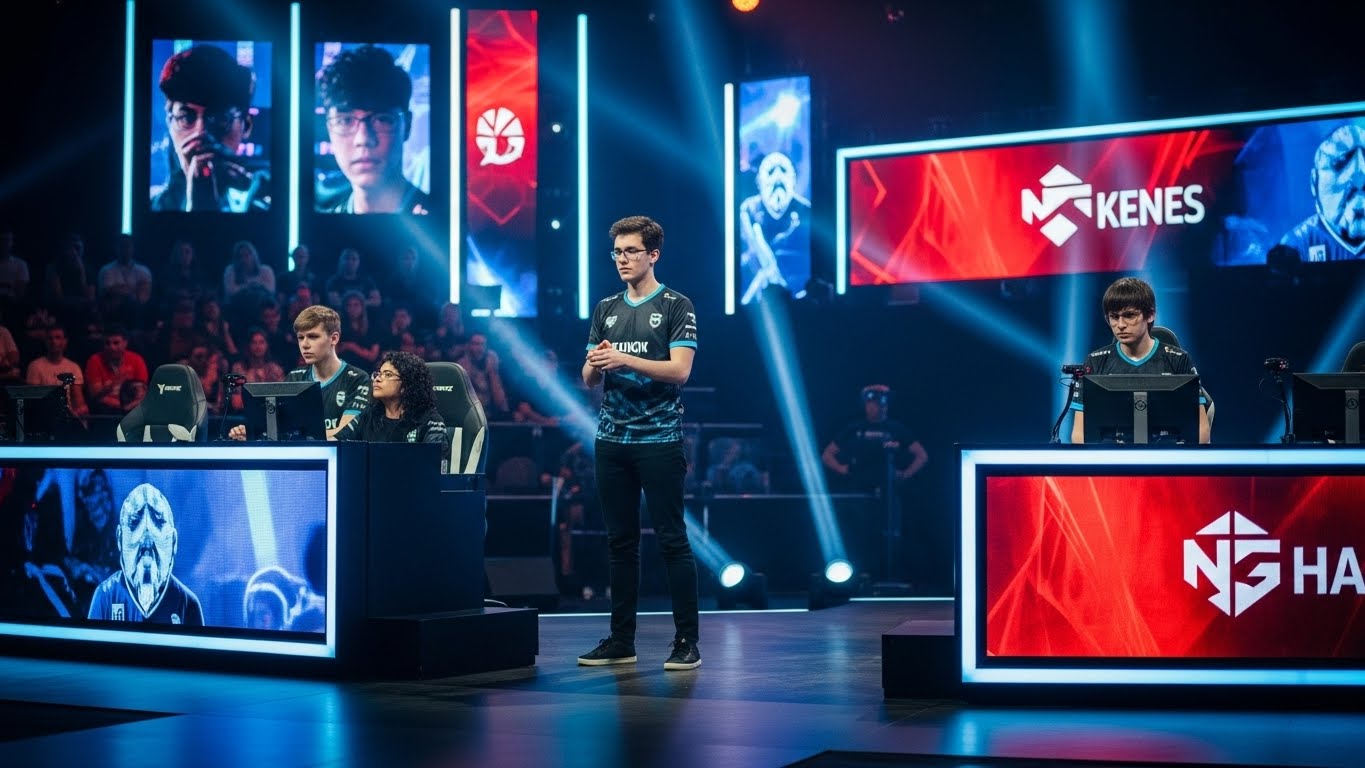
Esports, short for electronic sports, has transformed the concept of competition in the modern era. What once started as casual gaming among friends has evolved into a global industry worth billions of dollars, captivating millions of fans worldwide. Today, esports tournaments fill stadiums, attract millions of online viewers, and offer prize pools that rival traditional sports championships.
Esports is more than just a game; it is a cultural phenomenon. It combines technology, strategy, entertainment, and social connection, creating a new arena where skill, teamwork, and mental acuity are celebrated. Understanding the rise of esports provides insight into a growing industry that is reshaping entertainment, sports, and professional opportunities for players around the world.
The Evolution of Competitive Gaming
Competitive gaming has come a long way since the early days of arcade competitions. In the 1970s and 1980s, simple games like Pong and Space Invaders inspired local contests and high-score competitions. The 1990s introduced PC gaming tournaments and LAN parties, where gamers competed in real-time using networks to connect computers.
The early 2000s marked the emergence of online multiplayer games like Counter-Strike and StarCraft, which laid the foundation for organized competitive gaming. Platforms that allowed real-time matchmaking, leaderboards, and global competition turned casual players into dedicated competitors. These developments set the stage for esports to become a professional and widely recognized industry.
Major Esports Titles and Their Influence
Certain games have played a pivotal role in shaping the esports ecosystem. Multiplayer online battle arenas (MOBAs) such as League of Legends and Dota 2 have created professional leagues, international tournaments, and massive fan followings. First-person shooters like Counter-Strike and Call of Duty test reflexes, strategy, and teamwork at the highest level.
Battle royale games, such as Fortnite and PUBG, introduced new formats for competition, blending individual skill with team strategy in dynamic, ever-changing environments. Sports simulations like FIFA and NBA 2K have also made esports appealing to traditional sports fans, creating a bridge between physical and digital athleticism. Each game brings unique challenges, strategies, and communities, contributing to the diverse and expansive nature of esports.
Esports as a Professional Career
Esports is no longer just a hobby; it has become a legitimate professional career. Top players earn salaries, sponsorship deals, and revenue from streaming platforms, making gaming a financially viable pursuit. Organizations now operate like traditional sports teams, with coaches, analysts, managers, and support staff working together to optimize performance.
Professional esports players undergo rigorous training schedules, often practicing several hours a day to maintain peak performance. Mental and physical conditioning are essential, as tournaments can be intense and demanding. Players must manage stress, maintain focus, and adapt to constantly evolving game meta and strategies. The professionalism of esports has elevated it to a level comparable to traditional athletics.
The Global Audience and Fan Engagement
One of the most remarkable aspects of esports is its global reach. Millions of fans tune in to watch tournaments through streaming platforms, creating communities that span continents. Fans engage in live chats, share strategies, and celebrate victories, forming social networks that extend beyond the game itself.
Esports audiences are highly interactive. Unlike traditional sports where viewers are passive spectators, esports fans can participate in polls, predictions, and live discussions. This level of engagement has led to the rise of content creators, influencers, and commentators who play a key role in shaping the esports culture. Fan loyalty and community involvement are integral to the success of esports organizations and events.
The Impact of Technology on Esports
Technology is the backbone of esports. High-performance gaming rigs, fast internet connections, and advanced streaming technology enable seamless competition and broadcast to millions of viewers. Virtual arenas and online platforms allow players from different countries to compete without geographical limitations.
Artificial intelligence and analytics have also revolutionized esports. Teams use data to analyze strategies, track performance metrics, and optimize gameplay. AI-driven training tools simulate opponents, allowing players to practice against a wide range of scenarios. This integration of technology has elevated esports from casual play to a highly strategic and competitive profession.
Esports and Education
Esports is increasingly intersecting with education. Many schools and universities have recognized esports as a legitimate extracurricular activity, offering clubs, competitions, and even scholarships for talented players. These programs teach not only gaming skills but also teamwork, communication, leadership, and strategic thinking.
Colleges and universities now host esports leagues, providing students with opportunities to compete on a professional level while pursuing their education. By integrating esports into academic environments, institutions are acknowledging the skill, discipline, and potential career paths associated with competitive gaming.
Mental and Physical Challenges in Esports
While esports is intellectually stimulating, it also presents unique mental and physical challenges. High-level competition requires intense focus, quick decision-making, and adaptability. Players must maintain mental clarity under pressure, cope with losses, and manage expectations from fans and sponsors.
Physical health is also a concern. Long hours of practice can lead to repetitive strain injuries, eye strain, and posture-related issues. Professional teams now include fitness trainers, nutritionists, and psychologists to ensure players maintain both mental and physical well-being. The holistic approach to training reflects the seriousness with which esports professionals approach their craft.
The Social and Cultural Influence of Esports
Esports is not just a game; it is a cultural force. It has influenced fashion, music, language, and social behavior. Gaming merchandise, esports apparel, and fan culture contribute to a sense of identity and belonging. Tournaments often include entertainment segments, live music, and interactive experiences, blending gaming with broader cultural phenomena.
Esports also promotes diversity and inclusivity. Online gaming allows people from different backgrounds, cultures, and genders to compete on equal footing. Communities celebrate skill and strategy over traditional social hierarchies, creating spaces where talent and dedication are the primary measures of success.
The Future of Esports
The future of esports promises continued growth and innovation. Advances in technology, including virtual reality, augmented reality, and cloud gaming, will enhance the immersive experience for both players and audiences. Esports may expand into new formats, integrating interactive storytelling, AI-driven opponents, and cross-platform competitions.
Global recognition of esports as a legitimate sport is increasing. International tournaments, sponsorship from major brands, and mainstream media coverage are solidifying esports’ place in the world of professional competition. As the industry matures, opportunities for players, content creators, and entrepreneurs will continue to expand.
Conclusion: Esports as a Reflection of Modern Competition
Esports represents a fundamental shift in how we perceive competition, entertainment, and community. It combines technology, skill, strategy, and social connection in ways that traditional sports cannot replicate. From humble beginnings as casual gaming to the global professional leagues of today, esports has proven that digital competition can be just as thrilling, demanding, and culturally significant as physical athletics.
As esports continues to grow, it will shape the future of entertainment, professional careers, and global culture. It challenges stereotypes, celebrates talent and dedication, and creates inclusive communities that transcend geography. Esports is not just a pastime; it is a reflection of the digital age, demonstrating the power of gaming to inspire, connect, and transform society.
In the modern era, the line between gaming and professional sports is blurring, and esports is leading the way. It proves that competition, creativity, and community are timeless, whether on a field, a court, or a digital battlefield. Esports is more than a game—it is a cultural phenomenon, an industry, and a movement that is redefining the very notion of play.