Introduction
Esports, or competitive gaming, has grown from niche hobbyist competitions into a global phenomenon that rivals traditional sports in popularity, professionalism, and cultural influence. What started as casual tournaments among friends has evolved into a multi-billion-dollar industry with professional teams, coaches, analysts, and dedicated fan bases. The rise of esports reflects the intersection of technology, entertainment, and social connection, transforming how people experience competition and community. This blog explores the evolution of esports, its impact on culture, its professional landscape, and the future of competitive gaming.
The Origins of Esports
Esports has humble beginnings. In the 1970s and 1980s, gaming competitions were small-scale, often limited to local arcades or college campuses. Early tournaments offered recognition rather than financial rewards, but they laid the groundwork for organized competition. Iconic games like Street Fighter, Quake, and StarCraft began to cultivate competitive communities in the 1990s, attracting players dedicated to mastering their craft.
The rise of the internet in the early 2000s accelerated esports growth. Online multiplayer games allowed players to compete globally, breaking geographic boundaries and creating communities centered around competition. Platforms for live streaming and sharing gameplay further amplified interest, setting the stage for esports to become a mainstream entertainment phenomenon.
The Growth of Professional Esports
Esports has grown into a structured, professional industry. Professional teams operate much like traditional sports organizations, employing coaches, analysts, and support staff to optimize performance. Players dedicate hours each day to practice, strategy, and skill refinement, often living in team houses to maintain focus and cohesion.
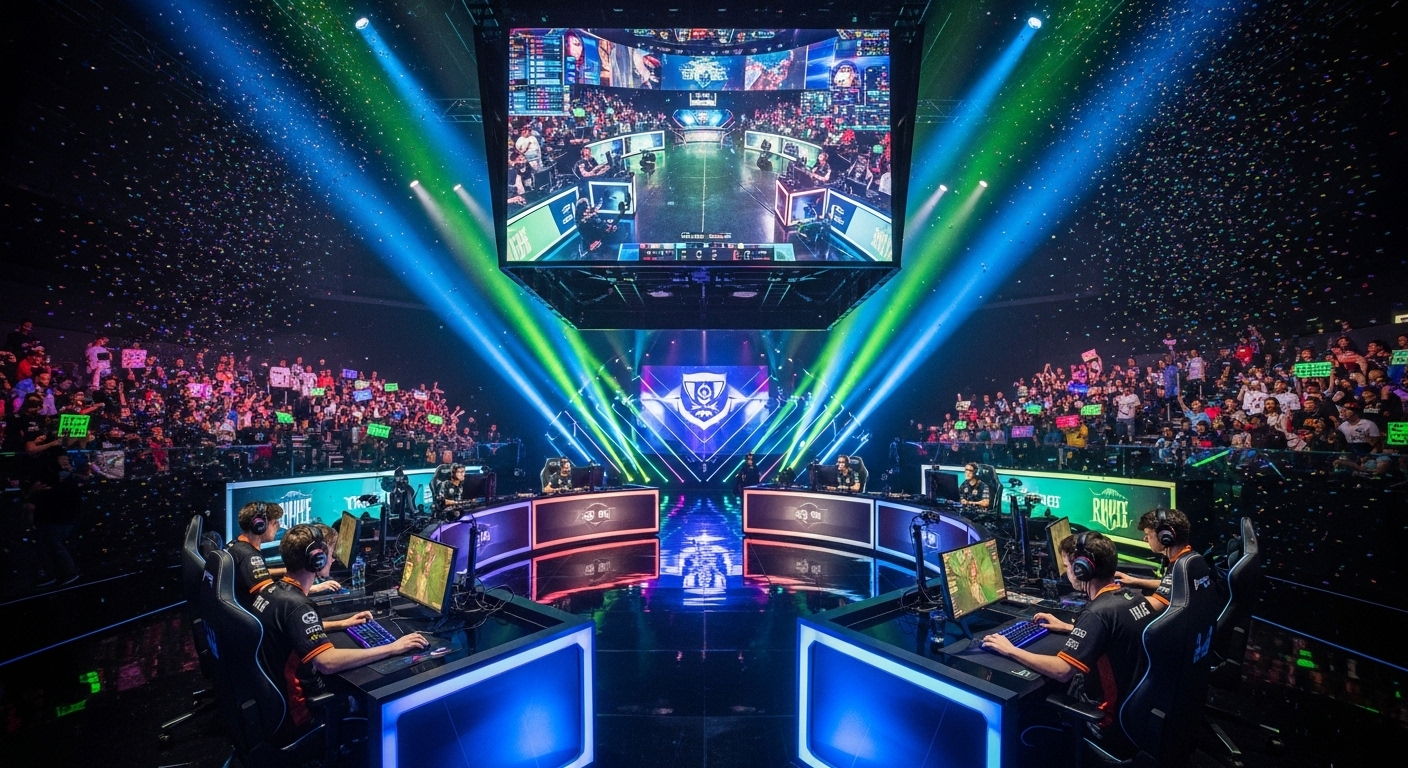
Major esports tournaments now rival traditional sports events in scale and production value. Competitions are hosted in large arenas with thousands of live spectators, broadcast globally to millions via streaming platforms. Prize pools can reach millions of dollars, attracting top talent and sponsorship deals from major brands. This professionalization has elevated esports to a level of prestige and legitimacy that was unimaginable just a decade ago.
Popular Esports Titles and Genres
Esports encompasses a wide range of game genres, each attracting different audiences and skill sets. Multiplayer online battle arena games, such as League of Legends and Dota 2, are renowned for strategic depth and teamwork. First-person shooters, like Counter-Strike: Global Offensive and Valorant, emphasize precision, reflexes, and tactical coordination. Sports simulations, including FIFA and NBA 2K, appeal to fans of traditional athletics seeking virtual competition.
Each genre brings unique challenges and entertainment value, allowing esports to cater to diverse preferences. This variety also encourages innovation, as developers create new competitive experiences that engage players and audiences alike.
The Role of Streaming and Broadcasting
Streaming platforms have been pivotal to the rise of esports. Platforms allow fans to watch live matches, follow their favorite players, and engage with content through chat and interactive features. Streaming has democratized esports viewership, enabling global access without the need for traditional television networks.
Broadcasting esports has also evolved into a highly produced spectacle. Commentators, analysts, and on-screen graphics enhance the viewing experience, providing insights into strategy, player performance, and team dynamics. Esports broadcasts blend entertainment and education, making competitions accessible and exciting for both hardcore fans and casual viewers.
Community and Fandom in Esports
Community plays a central role in esports culture. Fans gather online and offline to celebrate achievements, discuss strategies, and create content inspired by their favorite games. Forums, social media groups, and fan-created videos strengthen connections and amplify engagement, turning spectators into active participants.
Fandom also influences the evolution of esports. Feedback from communities shapes game updates, tournament structures, and even professional playstyles. This interaction ensures that esports remains dynamic, adaptive, and responsive to its audience, creating a symbiotic relationship between players, developers, and fans.
The Business of Esports
Esports is now a significant economic force. Revenue streams include sponsorships, advertising, ticket sales, merchandise, and media rights. Major brands across technology, apparel, and consumer goods invest in esports to reach engaged, tech-savvy audiences. Sponsorship deals provide financial support to professional teams and tournaments, fueling growth and innovation.
In addition to teams and tournaments, esports organizations explore new business models. Gaming academies train aspiring players, content creation channels monetize fan engagement, and merchandising extends the brand experience. The industry’s diversification has made esports a sustainable and continually expanding market.
Esports and Education
Esports has also entered the educational sphere. Many universities now offer esports programs, scholarships, and facilities for competitive gaming. These programs provide students with opportunities to develop skills in teamwork, strategy, leadership, and digital literacy.
Collegiate esports teams compete in structured leagues, mirroring professional competition. This integration of esports into education reflects a growing recognition of gaming as a legitimate avenue for skill development, career opportunities, and personal growth.
Health, Wellness, and Professional Gaming
While esports demands intense focus and long hours of practice, organizations increasingly recognize the importance of player health. Nutrition, physical exercise, mental wellness, and proper rest are now integral parts of professional training. Sports psychologists and health specialists work with players to maintain peak performance and prevent burnout.
This holistic approach ensures that esports athletes remain competitive and sustainable in their careers. It also highlights that gaming at the professional level requires discipline, resilience, and strategic thinking beyond in-game mechanics.
The Cultural Impact of Esports
Esports is not just a competitive arena; it is a cultural phenomenon. It influences music, fashion, and digital content, shaping trends and inspiring creativity across industries. Players and personalities become influencers, bridging gaming with entertainment, lifestyle, and social media.
Esports also fosters inclusivity. Women, LGBTQ+ individuals, and players from diverse backgrounds are increasingly visible in competitive gaming. This diversity broadens the appeal of esports and challenges stereotypes, demonstrating that gaming is a space for all participants.
The Future of Esports
The future of esports is full of possibilities. Technological advancements such as virtual reality, augmented reality, and artificial intelligence may transform gameplay and spectator experiences. Global connectivity will expand access to tournaments and communities, making esports more inclusive and immersive.
Esports may also intersect with other industries, including education, entertainment, and social media, creating hybrid experiences that blend gaming with live events, interactive storytelling, and digital engagement. The potential for innovation in competitive gaming is virtually limitless.
Conclusion
Esports has evolved from casual competitions into a professional, cultural, and economic powerhouse. It combines skill, strategy, technology, and community to create experiences that captivate millions worldwide. From professional leagues and streaming platforms to collegiate programs and fan communities, esports continues to redefine what it means to compete, connect, and entertain.
The industry’s growth reflects the broader impact of gaming on society, highlighting innovation, inclusivity, and creativity. As esports continues to evolve, it will shape not only the future of competition but also the way we engage with technology, storytelling, and culture. The digital arenas of esports are more than games; they are stages where passion, skill, and imagination converge to define a new era of entertainment.