Esports has rapidly transformed from small gaming meetups into one of the world’s fastest-growing entertainment industries. What began as friendly competitions between arcade players has evolved into a global spectacle involving professional athletes, massive audiences, million-dollar tournaments, and dedicated fan communities. Today, esports is not just about playing games; it is about skill, strategy, storytelling, teamwork, and a culture that connects millions of people across continents. Its rise signifies a new era in competitive entertainment, shaped by technology and driven by passion.
Below is a full, detailed blog post about the world of esports, written to be around 1500 words, with proper headings, no links, no separators, and a fully unique structure and title.
The New Age of Competitive Gaming
Esports represents the competitive side of video gaming, where players or teams compete at professional levels across a wide variety of game genres. These competitions are organized, broadcast, and celebrated much like traditional sports. Unlike casual gaming, esports requires dedicated practice, strong reflexes, deep strategic thinking, and flawless teamwork. The rise of high-speed internet and powerful gaming platforms has allowed this digital playing field to flourish, making it easier for players to practice, compete, and be discovered by major organizations.
Part of the growth of esports comes from its accessibility. Anyone with a computer or console can begin their journey from home. This low barrier to entry allows talent to develop from all corners of the world, leading to a diverse and vibrant competitive scene.
Why Esports Captivates Millions
Esports appeals to audiences for many reasons, blending the excitement of competition with the entertainment of storytelling. Just like traditional athletes, professional gamers develop loyal fanbases, iconic rivalries, dramatic underdog stories, and memorable championship moments.
Fast-Paced Action and Incredible Skill
The speed and precision required in esports are astonishing. Players must make split-second decisions while executing complex maneuvers with almost robotic accuracy. Whether it is a perfectly timed strategy in a strategy game or lightning-fast reactions in a shooting game, fans admire the talent and dedication of these digital athletes.
Community and Connection
Fans connect not only with the games but also with each other. Online communities grow around teams, tournaments, and favorite players. People who may live oceans apart can celebrate victories together, debate strategies, and enjoy shared passions. This social aspect strengthens esports in ways that many traditional entertainment forms cannot match.
The Blend of Technology and Entertainment
Esports exists in a unique space where gaming, broadcasting, animation, and technology intersect. High-quality visuals, commentary, replays, and in-game cameras enhance the viewing experience, making esports events highly engaging. Spectators can watch their favorite teams compete from any device, further fueling the industry’s reach.
The Most Influential Games in Esports
Different games dominate different corners of the esports scene, each contributing to the diversity of the industry.
Multiplayer Online Battle Arenas
These games require strategic team play, character mastery, and exceptional communication. Matches can turn around in seconds, keeping fans at the edge of their seats.
First-Person Shooters
This genre emphasizes precision, speed, and team coordination. The balance of strategy and fast-paced action has helped it maintain long-term popularity.
Sports and Racing Games
Simulated versions of soccer, basketball, and racing allow players to compete in virtual versions of real-world sports, blending familiar gameplay with digital competition.
Battle Royale Games
Featuring large-scale, last-player-standing gameplay, these titles exploded in popularity due to their unpredictability and high stakes. Their fast and dramatic matches make them perfect for streaming and tournaments.
Inside the Life of a Professional Esports Player
Becoming a professional esports athlete is not easy. It requires years of dedication, daily practice, and intense concentration. Players must perfect their skills, study opponents, master game mechanics, and maintain strong mental focus.
Training and Preparation
Most professional players practice for several hours a day, focusing on improving reaction time, teamwork, and game knowledge. Teams often have coaches who analyze gameplay, design strategies, and help players adapt to new tactics. Nutrition, physical exercise, and mental health have also become essential elements of a player’s routine, as top performance requires both a sharp mind and a healthy body.
The Pressure of Competition
At major tournaments, players compete under immense pressure. One mistake can cost a match, and one victory can launch a career. This environment demands emotional control, discipline, and resilience. Professional competitors often deal with stress, burnout, and constant scrutiny, making supportive team environments crucial.
The Rise of Esports Organizations
Teams and organizations have become the backbone of modern esports. These groups operate much like traditional sports clubs, with dedicated training facilities, professional support staff, sponsorship deals, and fan engagement strategies.
Sponsorship and Branding
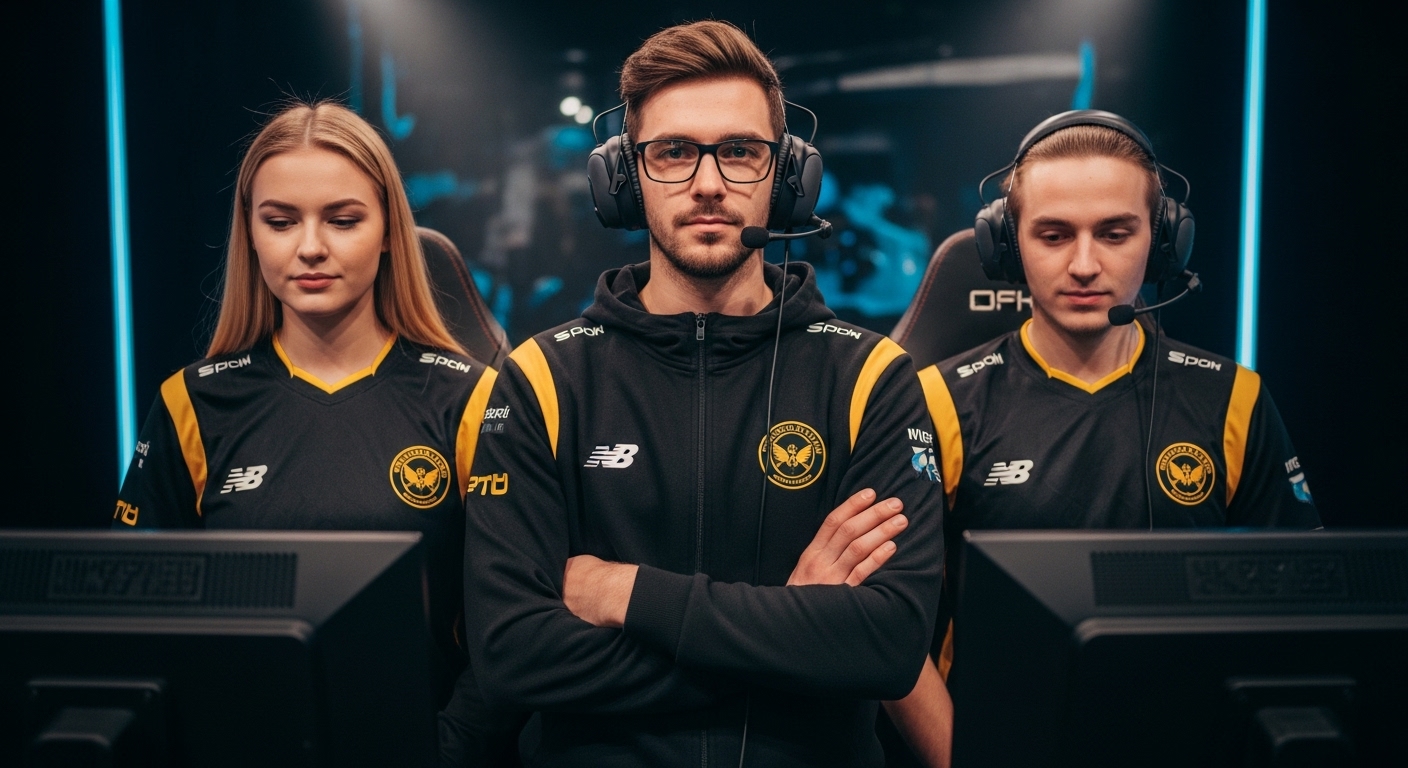
Companies invest heavily in esports organizations because the audience is young, global, and engaged. Players wear team jerseys, participate in interviews, and even become brand ambassadors. This makes esports a powerful platform for marketing and global outreach.
Talent Development
Organizations scout new talent from ranked ladders, online competitions, and amateur leagues. Young players often join academy teams to train and grow before joining the main roster. This structure ensures a continual flow of skilled players entering the scene.
Esports Events and the Modern Stadium Experience
Esports events have evolved into massive global spectacles. Arenas fill with cheering fans, elaborate stage setups, colorful lighting, and energetic music. These events capture the excitement of traditional sports while incorporating digital elements unique to gaming.
International Championships
World championships often attract millions of viewers and feature some of the largest prize pools in competitive entertainment. Fans fly across continents to attend these events in person, celebrating a shared love for the game and competition.
Local and Regional Tournaments
Smaller events help nurture regional talent, build local communities, and raise awareness of esports as a legitimate career path. These tournaments create stepping stones for aspiring players looking to make their mark.
The Role of Content Creators in Esports Growth
Content creators and streamers play a massive role in shaping esports culture. Their live broadcasts, tutorials, and entertaining personalities help introduce new audiences to games and competitions. Many professional players also stream their practice sessions, allowing fans to learn from their strategies and connect with them in a more personal way.
This blend of competition and entertainment has redefined how fans interact with their favorite players. Viewers can watch, comment, and participate in real time, creating stronger bonds and deeper engagement.
Challenges Facing the Esports Industry
Although esports continues to grow, it also faces challenges that need to be addressed for the industry to remain strong and reputable.
Player Health and Burnout
Long hours of practice, travel schedules, and high-pressure environments can take a toll on players’ mental and physical health. More organizations are introducing wellness programs to help players maintain balance and longevity in their careers.
Competitive Integrity
To ensure fairness, strict rules and monitoring systems must be in place. Issues such as cheating, match manipulation, and security threats require ongoing regulation and strong enforcement to protect the integrity of competitions.
Financial Stability
Not all teams and players experience equal financial support. Some struggle with inconsistent revenue or unstable contracts. Sustainable structures and transparent guidelines will be essential for industry growth.
The Future of Esports
Esports is still in its early stages compared to traditional sports, and its potential is enormous. Technology continues to advance, creating new possibilities for competition, engagement, and entertainment.
Virtual Reality Competitions
Virtual reality may introduce entirely new categories of esports where physical movement and digital interaction blend seamlessly. This could redefine what competitive gaming looks like.
Global Expansion
More regions are embracing esports, meaning more diverse talent and larger global audiences. As internet access improves worldwide, even more players will join the scene.
Mainstream Integration
Esports is already entering television, education, and professional training programs. Over time, it may become as mainstream as other sports, recognized for its discipline, skill, and cultural significance.
Conclusion
Esports is more than a trend. It is a cultural movement, a competitive platform, and a global industry that continues to gain momentum. Its blend of strategy, technology, and entertainment has captured the hearts of millions. As the digital world evolves, esports stands at the forefront of modern competition, proving that excellence can emerge from keyboards, controllers, and digital arenas just as much as from fields and courts.