Introduction
Esports has grown from a humble hobby into one of the most exciting and influential industries in modern entertainment. Millions of players compete in virtual arenas, global tournaments attract enormous audiences, and professional gamers are celebrated much like traditional athletes. Esports blends technology, skill, creativity, and community into a powerful cultural movement. This blog explores how esports began, how it evolved, why it became so popular, and where it is headed in the future. With deep insights into the ecosystem, industry, and global impact, this post explains why esports has become a worldwide phenomenon.
The Birth of Competitive Gaming
The roots of esports can be traced back to early arcade competitions where players battled for high scores on classic games. These competitive moments created small but passionate communities. When home consoles and personal computers entered the market, gaming became more accessible. Players began organizing small tournaments at local gatherings, hobby stores, and gaming clubs.
As technology improved, competitive gaming slowly grew from niche gatherings into more organized competition. The arrival of multiplayer games allowed players to challenge opponents beyond their immediate circle. Although the industry was still young, the desire to compete was strong. The concept of professional gaming was not yet fully developed, but the foundations of esports were steadily forming.
The Online Revolution That Changed Everything
The spread of the internet was the turning point for esports. Online gaming allowed players from different parts of the world to play together without being in the same physical space. Real time interaction and competition became possible. This breakthrough transformed gaming forever.
Multiplayer online games began dominating the market. These games encouraged strategy, teamwork, communication, and skill development, all of which created opportunities for more serious competitive play. Online leaderboards, ranking systems, and organized tournaments emerged. Communities formed around specific games, and players began dedicating hours each day to mastering their skills.
This online shift marked the true birth of modern esports.
The Rise of Professional Esports
As competitive gaming grew, professional organizations started to form. Players signed contracts, trained consistently, and dedicated themselves to mastering specific games. Teams began hiring coaches, analysts, and managers to help players reach their peak performance. Training schedules closely resembled those of traditional athletes, with practice sessions, strategy meetings, and performance analysis becoming part of their everyday routine.
Major tournaments began offering large prize pools, attracting more talent and sponsorships. Competitive gaming was no longer just a hobby. It became a legitimate career path with global recognition, financial opportunities, and a structured ecosystem. Professional gamers earned income from tournaments, salaries, endorsements, and digital content creation.
Why Esports Attracts Millions of Fans
The popularity of esports skyrocketed because it provides a dynamic form of entertainment that is accessible to anyone. Fans can watch matches from anywhere, follow their favorite players, and participate in online discussions. The fast paced action, dramatic strategies, and unpredictable outcomes make esports thrilling to watch.
Another major advantage is that esports is global by default. Players from different countries regularly compete against each other. This international nature expands the fanbase and creates diverse communities. Esports also encourages interactive engagement. Fans can chat with players, vote on polls, watch live streams, and learn advanced strategies directly from the experts.
Esports Titles That Defined the Industry
Several games played important roles in shaping esports. These titles introduced competitive systems, balanced gameplay, and large dedicated fanbases. Many of these games became iconic within the esports world.
Some games are team based and require strategic coordination, while others focus on individual skill. Each game brings something unique to the community. These titles helped esports transition into a mainstream industry, proving that gaming could be both competitive and entertaining on a global scale.
Technological Advancements Driving Esports Forward
Esports is built on technology, and every improvement in digital infrastructure boosts the industry further. High performance computers, consoles, and gaming peripherals help players compete at their best. Faster internet speeds allow smooth gameplay and real time interaction.
Streaming platforms revolutionized esports by allowing fans to watch matches from anywhere. This created new opportunities for players to become content creators and influencers. Modern broadcasting tools now include advanced graphics, instant replays, and detailed analysis, making esports events visually impressive and highly engaging.
Future technologies such as virtual reality and augmented reality may introduce entirely new styles of esports competition. Artificial intelligence may also shape strategy development and in game training tools.
The Growing Esports Career Ecosystem
Esports is far more than just playing games. It has created an entire ecosystem of career opportunities. Besides professional players, many individuals build careers as coaches, analysts, casters, event organizers, and marketing specialists.
Content creation is one of the most popular paths. Streamers and gaming influencers build large audiences by sharing their gameplay, personality, and creativity. Production teams work behind the scenes to manage lighting, graphics, commentary, and event operations.
The esports job market grows every year, offering both creative and technical roles. As the industry expands, these opportunities continue to multiply.
Esports and Mental Skill Development
Esports provides many cognitive and mental benefits. Players must make quick decisions, analyze constantly changing situations, and coordinate with teammates under pressure. These mental tasks enhance memory, reaction time, concentration, and problem solving skills.
Competitive gaming also teaches discipline, patience, and resilience. Players often review their mistakes, learn from losses, and constantly improve. Team based games require communication and leadership, helping players build valuable social skills. Far from being mindless entertainment, esports is a mentally demanding activity.
The Strength of Community in Esports
Community is one of the most powerful aspects of esports. Players come together from all cultures, languages, and backgrounds to share their love for gaming. Online forums, social groups, and fan communities create spaces where players connect, support each other, and exchange strategies.
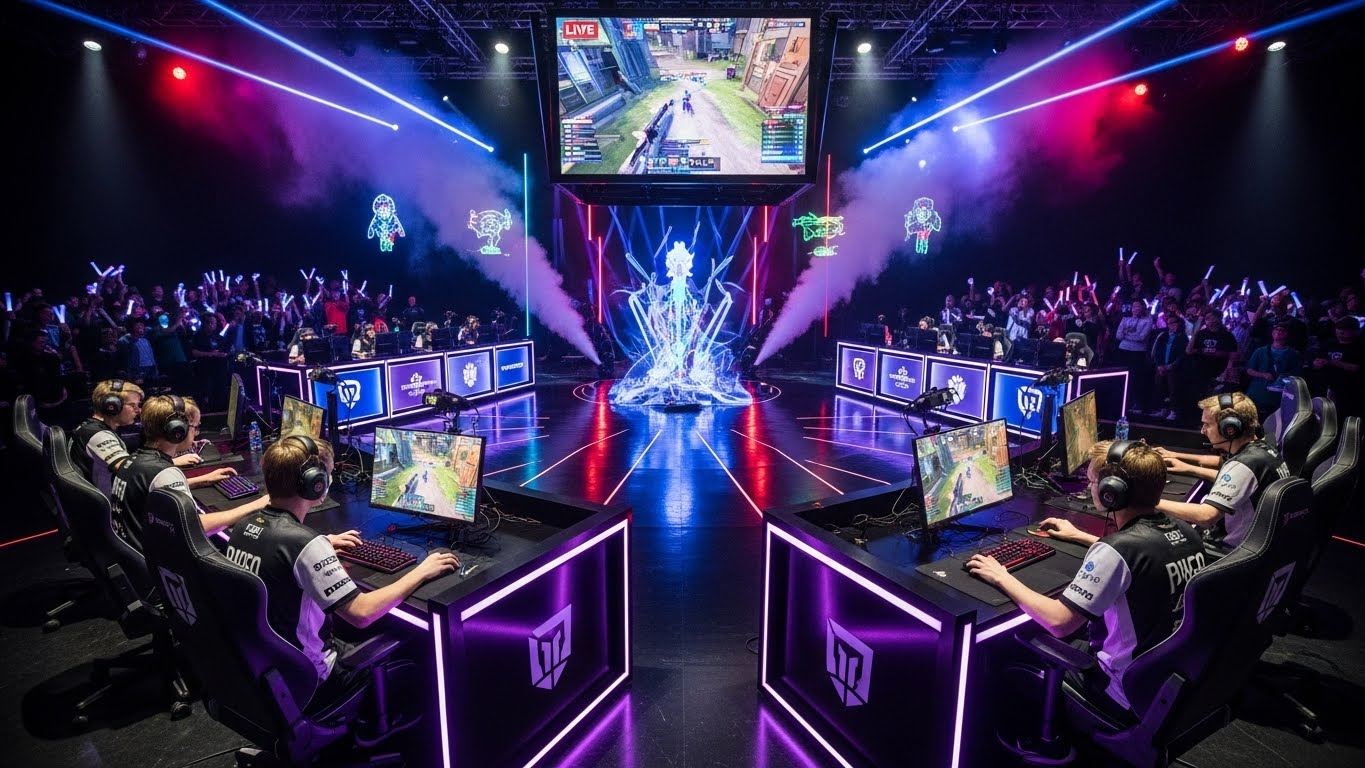
Large events highlight the unity of esports fans. Arenas filled with cheering crowds create an atmosphere similar to major sports events. These gatherings bring people together and build friendships beyond borders. The inclusive nature of esports encourages diversity and collaboration.
Esports in Education
More schools and universities are embracing esports as part of their curriculum. Competitive gaming clubs, academic programs, and esports scholarships are now common. Students learn teamwork, strategy, digital literacy, and communication skills. Some institutions also explore game design, esports management, and event production as academic subjects.
Educational esports promotes healthy competition and motivates students to pursue careers in gaming, technology, or digital media. It proves that esports can be both fun and educational when approached responsibly.
Economic Impact of the Esports Industry
Esports has become a major contributor to the global economy. It generates revenue from sponsorships, advertising, merchandise, media rights, and tournament prize pools. Companies across various industries invest in esports to reach younger audiences.
Teams and organizations create jobs, events drive tourism, and digital platforms bring revenue to content creators. As the industry expands, its economic influence continues to grow. Esports is now recognized as a significant player in the entertainment market.
Cultural Influence of Esports
Esports has become a cultural force influencing fashion, music, social media trends, and entertainment. Professional players often collaborate with brands, artists, and celebrities. The visuals of team jerseys, game characters, and tournament stages inspire new styles and artistic expression.
Gaming culture continues to shape online communities, memes, and digital interactions. Esports promotes global diversity and unity, bringing people together regardless of nationality or background. It represents a new type of culture built on shared passion and creativity.
Challenges Faced by the Esports Industry
Like any growing industry, esports faces challenges. Player burnout is a concern due to long training hours and high pressure. Maintaining fairness through anti cheating systems is essential to protect competitive integrity. Ensuring player safety, mental health support, and healthy work environments is crucial for sustainable growth.
Another challenge is establishing consistent regulations. Different games and regions follow their own rules, creating inconsistency. As the industry matures, stronger governance and standards may emerge.
The Future of Esports
The future of esports is enormously promising. Technological innovation will continue to push boundaries. Virtual reality may create new immersive competitions. Global participation will increase as more regions invest in esports infrastructure. Schools, governments, and companies will continue integrating esports into their programs.
Esports may eventually be recognized as an Olympic level sport. With new career paths, advanced broadcasting tools, and massive fan engagement, the industry shows no signs of slowing down. Esports is set to become one of the defining entertainment pillars of the digital age.
Conclusion
Esports has evolved into a global powerhouse that blends skill, technology, and creativity. From small arcade competitions to worldwide tournaments, it has redefined competition for the modern era. The industry continues to inspire millions, create opportunities, and shape digital culture. Esports is not just the future of gaming but a symbol of innovation, connection, and global entertainment. As it continues to grow, esports will influence generations and remain a key part of the world’s digital transformation.