Introduction: The Digital Arena Revolution
Esports, or electronic sports, has rapidly transformed from a niche hobby into a global phenomenon, reshaping the landscape of entertainment, competition, and technology. Unlike traditional sports, esports thrives entirely in the digital domain, drawing millions of viewers and participants worldwide. The rise of esports signals more than just a trend; it represents a cultural shift where competitive gaming is now recognized as a legitimate form of professional sport. From multiplayer online battle arenas to first-person shooters, esports has become a melting pot of innovation, strategy, and digital skill.
The Evolution of Competitive Gaming
Competitive gaming has existed almost as long as video games themselves. In the early 1980s, games like Pac-Man and Space Invaders saw the first organized competitions, often held in arcades or small local tournaments. However, the concept of professional esports began to solidify in the late 1990s and early 2000s with the advent of internet connectivity and online multiplayer games. Titles such as StarCraft, Counter-Strike, and Warcraft III laid the foundation for modern esports, creating communities that spanned continents.
The next major evolution occurred with the rise of streaming platforms, which allowed gamers to broadcast matches to global audiences in real time. Twitch, YouTube Gaming, and other platforms have revolutionized the way fans interact with professional players, enabling instant feedback, sponsorships, and a fan culture previously reserved for traditional sports.
Popular Esports Genres
Esports encompasses a wide range of genres, each with unique gameplay mechanics, fanbases, and professional circuits. Some of the most popular genres include:
- Multiplayer Online Battle Arenas (MOBAs): Games like League of Legends and Dota 2 fall under this category. Players control a single character with distinct abilities and work in teams to destroy the opponent’s base. MOBAs are strategy-heavy, requiring teamwork, timing, and deep knowledge of game mechanics.
- First-Person Shooters (FPS): Titles such as Counter-Strike: Global Offensive and Call of Duty dominate this genre. FPS esports emphasize precision, reaction time, and strategic positioning.
- Battle Royale Games: Games like Fortnite and Apex Legends feature large-scale survival matches where players compete to be the last person standing. These games have become extremely popular for their fast-paced and unpredictable gameplay.
- Sports Simulations: FIFA and NBA 2K series bring traditional sports into the digital realm, attracting both sports enthusiasts and gamers.
- Fighting Games: Street Fighter, Tekken, and Super Smash Bros. represent fighting game tournaments, focusing on one-on-one skill and timing.
Economic Impact and Industry Growth
The esports industry has evolved into a multi-billion-dollar market, with revenue streams coming from sponsorships, advertising, merchandise, ticket sales, and media rights. Major brands, from energy drink companies to global technology firms, sponsor esports teams and tournaments, recognizing the growing influence of digital audiences.
Professional players now earn salaries comparable to traditional athletes, with top-tier competitors winning millions in prize money and endorsement deals. For example, esports tournaments such as The International for Dota 2 have prize pools exceeding tens of millions of dollars, illustrating the financial scale of competitive gaming. The industry also fuels job creation in coaching, event management, broadcasting, content creation, and game development.
Esports as a Career Path
While gaming as a hobby is common, pursuing esports professionally requires rigorous training and discipline similar to traditional sports. Professional esports players often dedicate 8 to 12 hours daily to practice, analyzing gameplay strategies, team coordination, and reaction times. Careers extend beyond playing, with opportunities in content creation, shoutcasting (commentary), coaching, and team management.
Universities and educational institutions have even started offering esports scholarships and degree programs, focusing on game design, digital media, and sports management. This legitimizes esports as a career path and opens doors for aspiring professionals to turn passion into profession.
The Role of Technology in Esports
Technology is the backbone of esports. High-speed internet, advanced graphics processing, and streaming platforms allow millions to compete and watch games in real time. Innovations such as virtual reality and augmented reality are beginning to influence esports, creating immersive experiences for both players and viewers.
Additionally, artificial intelligence and data analytics have become critical for strategy development. Teams analyze opponent behavior, optimize tactics, and improve player performance using sophisticated software tools. This technological integration parallels traditional sports, where analytics and technology drive competitive advantages.
Global Influence and Cultural Impact
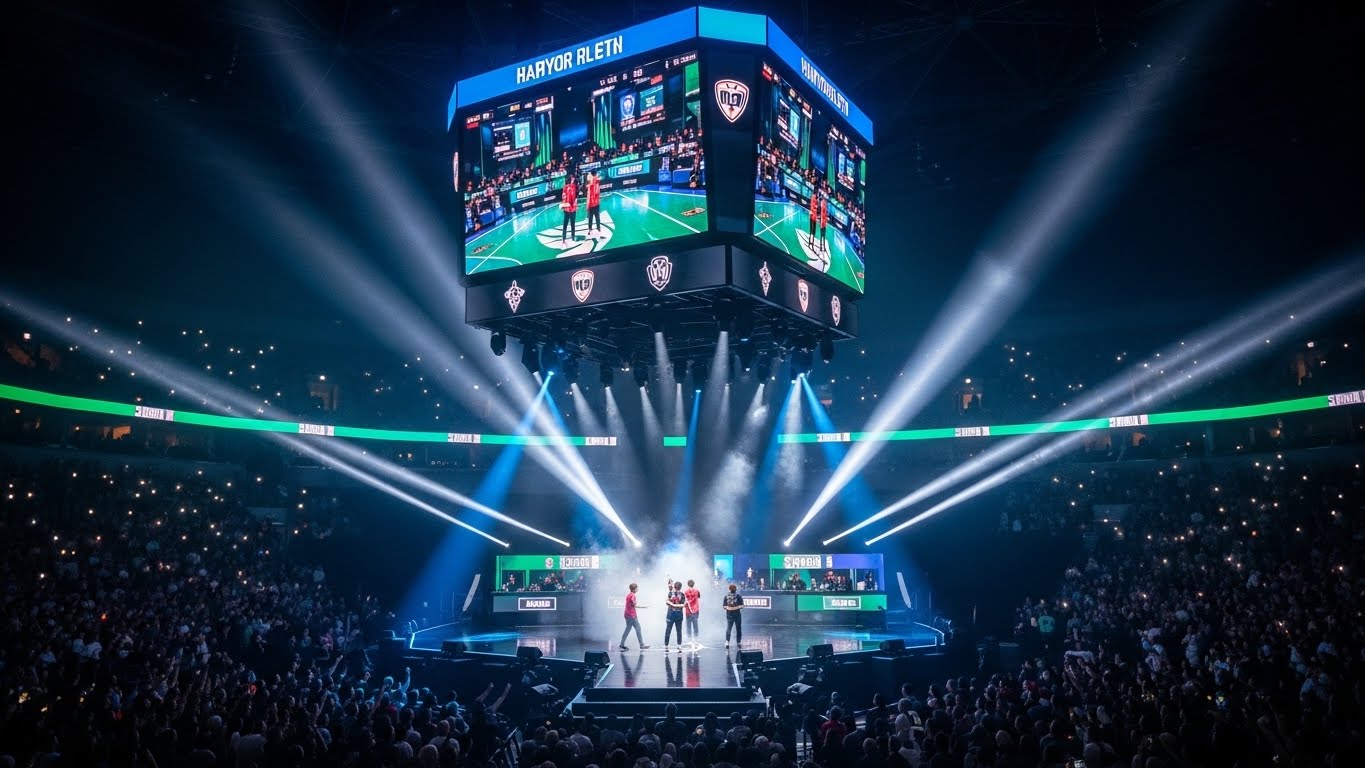
Esports is not just a form of entertainment; it has a profound cultural impact worldwide. In countries like South Korea and China, esports has achieved mainstream popularity, with professional leagues broadcast on television and matches held in packed stadiums. The societal perception of gaming is evolving, and esports is increasingly recognized for promoting teamwork, strategic thinking, and hand-eye coordination.
Esports also fosters inclusive communities where players from different backgrounds collaborate and compete. Unlike physical sports, digital competition is more accessible, requiring skill and strategy over physical attributes. This has broadened participation and cultivated global fanbases that transcend language and cultural barriers.
Challenges Facing Esports
Despite its rapid growth, esports faces challenges that could affect its long-term sustainability. Player burnout is a significant concern, with intense training schedules leading to physical and mental health issues. Additionally, regulatory oversight is still developing, with questions about contracts, player rights, and tournament integrity.
Monetization remains uneven, with smaller teams and players struggling to generate income. The competitive scene can also be vulnerable to cheating, hacking, or toxic behavior, which can negatively impact community trust. Addressing these issues is critical to ensure esports continues to thrive responsibly.
The Future of Esports
The future of esports looks promising, with continued technological advancements and expanding global audiences. Emerging trends include mobile esports, which makes competitive gaming more accessible, and cross-platform tournaments that unite players from different devices. Virtual reality esports may redefine immersion, creating a hybrid between gaming and real-life athleticism.
Esports is also likely to integrate more deeply with mainstream entertainment, including music, movies, and fashion. Collaborations with traditional sports leagues and celebrities are already bridging the gap, making esports a central component of modern pop culture.
Conclusion: More Than a Game
Esports represents a dynamic intersection of technology, competition, and culture. It has grown from humble beginnings in arcades to a global industry with professional players, massive audiences, and multi-million-dollar tournaments. Beyond entertainment, esports has influenced education, career opportunities, and social interaction, offering new pathways for creativity, skill development, and community building.
As esports continues to evolve, it challenges traditional notions of sport, entertainment, and professionalism. The digital arena is no longer a secondary space; it is a legitimate stage where strategy, skill, and passion converge. The rise of esports is more than a fleeting trend—it is a defining feature of contemporary culture and a glimpse into the future of global competition.