Introduction: The Rise of Esports
In recent years, esports has transformed from a niche subculture into a massive global industry. What started as a hobby for gamers has evolved into a multi-billion-dollar industry with millions of fans, professional athletes, and global tournaments. Esports, short for electronic sports, refers to competitive video gaming, where professional players or teams compete in organized tournaments, often for substantial prize money. While the notion of playing video games competitively may have once seemed odd to some, the rapid rise of esports is a testament to the growing intersection between entertainment, technology, and culture.
This blog post will explore the evolution of esports, its current state, and the future of the industry. We will delve into the factors that have contributed to its success, the challenges it faces, and what makes esports unique compared to traditional sports.
The Early Beginnings: From Arcade Games to Online Tournaments
The roots of esports can be traced back to the early days of video games. In the 1970s and 1980s, arcade games like Pong, Space Invaders, and Pac-Man became popular, drawing in large crowds of players eager to test their skills. Competitive gaming, however, didn’t truly take off until the 1990s, when personal computers and the internet became more accessible.
The first significant milestone in the history of esports was the Red Annihilation tournament in 1997, which was based around the game Quake. This tournament is often cited as one of the earliest instances of professional gaming competition. Players from all over the world competed, and the winner, Dennis “Thresh” Fong, walked away with a Ferrari, making esports seem like a legitimate and lucrative pursuit.
In the late 1990s and early 2000s, the rise of online gaming platforms such as Battle.net and GameSpy allowed players to connect and compete remotely, paving the way for the first online esports tournaments. Games like StarCraft and Warcraft III became staples of competitive gaming, particularly in South Korea, where the government invested heavily in promoting esports.
The Growth of Esports in the 2000s: South Korea’s Influence
Esports truly took off in the early 2000s, largely due to the influence of South Korea. The country became a hotbed for competitive gaming, with games like StarCraft and Warcraft III drawing massive audiences. The South Korean government recognized the potential of esports and supported its development by creating dedicated esports leagues, broadcasting events on national television, and even building esports arenas.
By the mid-2000s, esports in South Korea had become a cultural phenomenon. Players were treated like celebrities, and tournaments such as the Ongamenet Starleague (OSL) became incredibly popular. The Korean professional gaming scene was so well-established that it began to influence other regions of the world, especially North America and Europe.
During this period, the emergence of esports organizations like SK Telecom, KT Rolster, and Samsung Galaxy signified the professionalization of the industry. These organizations began signing players to contracts, offering salaries, and providing training facilities, much like traditional sports teams. As a result, esports began to be seen as a legitimate career path for talented players.
The Internationalization of Esports: The 2010s and Beyond
The 2010s marked a turning point for esports, as it moved from being a regional phenomenon to a global industry. The development of streaming platforms like Twitch and YouTube Gaming played a crucial role in this expansion. Gamers could now broadcast their gameplay to millions of viewers, while fans could watch their favorite players and teams in real-time, no matter where they were in the world.
One of the key turning points for esports was the launch of League of Legends (LoL) by Riot Games in 2009. LoL quickly became one of the most popular and competitive games in the world, with its professional scene growing rapidly. The League of Legends World Championship has become one of the biggest esports events globally, attracting millions of viewers and boasting prize pools in the tens of millions of dollars.
The International Dota 2 Championship (TI) is another key event in the esports calendar. With a prize pool that has grown to over $40 million in recent years, TI is one of the richest tournaments in any sport. This level of financial investment attracted not only players but also sponsorships from major global brands like Coca-Cola, Intel, and Mercedes-Benz, signaling that esports was no longer a niche market but a major player in the global entertainment ecosystem.
The Industry Boom: Esports as Mainstream Entertainment
By the mid-2010s, esports had fully entered the mainstream. Major media outlets like ESPN and the BBC began covering esports events, and traditional sports teams started to take notice. Some of the biggest names in sports, such as the New England Patriots, Dallas Mavericks, and Golden State Warriors, invested in esports organizations, further validating the industry’s legitimacy.
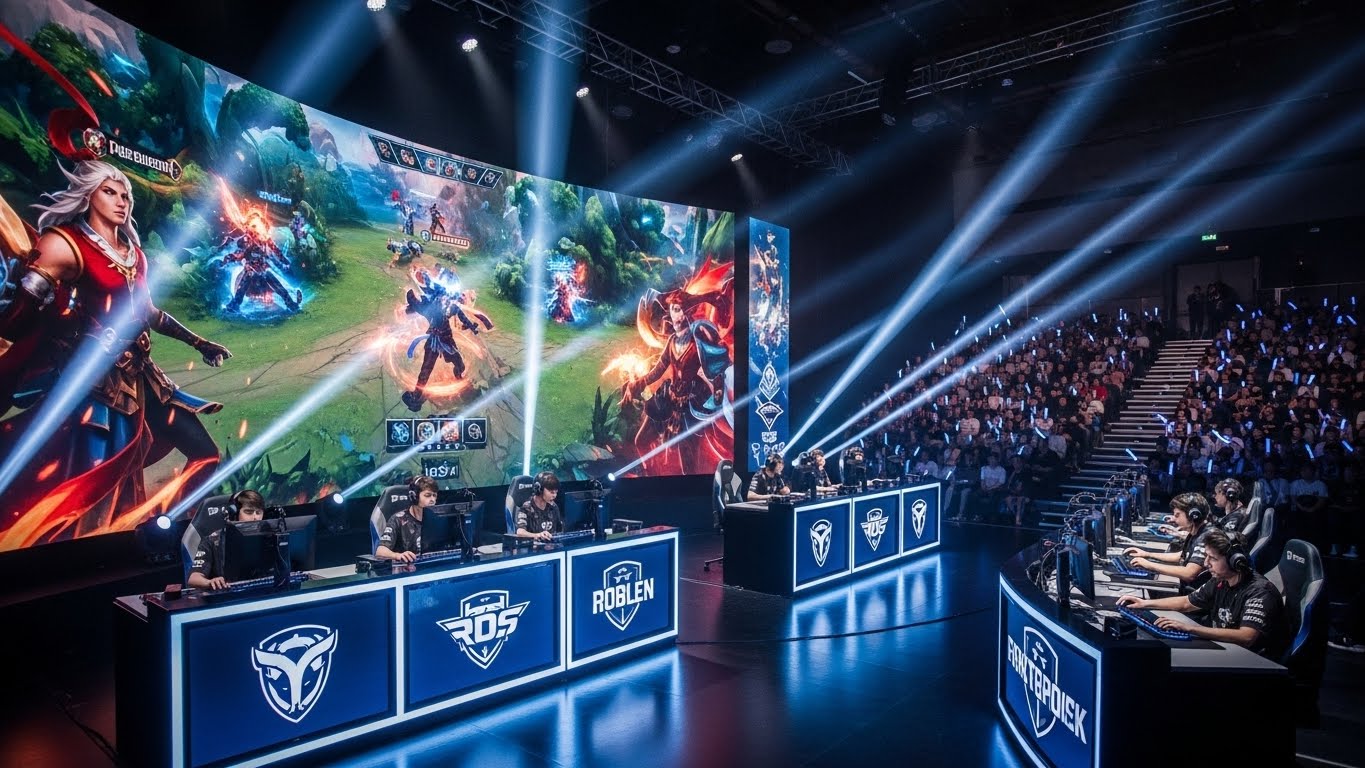
Esports tournaments began filling massive arenas, with events like the League of Legends World Championship and The International selling out venues like the Bird’s Nest in Beijing and KeyArena in Seattle. Fans flocked to these events, not just to watch the games but to take part in the growing esports culture. The crowd at an esports event is unlike any other—fans chant for their favorite teams, wave flags, and celebrate victories just like in traditional sports.
Broadcasting and streaming services like Twitch also allowed fans to interact with their favorite players and teams directly. Streamers, who had once been hobbyists, became celebrities in their own right. Top streamers like Ninja, Shroud, and Pokimane amassed millions of followers, turning their gaming skills into highly profitable careers. Sponsorships, merchandise sales, and ad revenue became substantial sources of income for top esports personalities.
The Role of Technology and Innovation
One of the key drivers of esports’ growth has been the rapid evolution of technology. Gaming hardware has improved exponentially, allowing for faster, more immersive gaming experiences. In addition, advances in internet connectivity and streaming technology have made it easier for fans to access esports content from anywhere in the world.
Moreover, the development of mobile esports has expanded the reach of competitive gaming to an even wider audience. Games like PUBG Mobile, Free Fire, and Mobile Legends have brought esports to players who may not have access to high-end gaming PCs or consoles, further democratizing the industry.
Virtual reality (VR) and augmented reality (AR) are also beginning to play a role in shaping the future of esports. As these technologies become more mainstream, we may see new kinds of esports competitions that blend the virtual and physical worlds.
Challenges Facing Esports: Sustainability, Regulation, and Inclusivity
Despite its rapid growth, the esports industry faces several challenges that need to be addressed in order to ensure its long-term success. One major issue is sustainability. As with many entertainment industries, esports relies heavily on sponsorships and advertising revenue, which can fluctuate. While esports has seen massive investment from brands, it remains to be seen whether this level of funding will be sustainable in the long term.
Another challenge is the regulation of competitive gaming. The lack of consistent rules across different regions and games can lead to confusion and disputes, particularly when it comes to issues like player eligibility, cheating, and match-fixing. The formation of governing bodies or standardized regulations will be crucial in maintaining the integrity of esports competitions.
Inclusivity is another area of concern. While esports is often seen as an open field for players of all backgrounds and genders, the reality is that the industry still struggles with diversity, particularly in terms of gender representation. Efforts to encourage more women and underrepresented groups to participate in esports as both players and fans are gaining momentum, but there is still a long way to go.
The Future of Esports: A Multi-Billion-Dollar Industry
Looking ahead, the future of esports appears incredibly promising. As more people across the globe embrace gaming as both a hobby and a career, the industry will continue to expand. The rise of mobile esports and the potential of virtual and augmented reality could open up entirely new avenues for competition and fan engagement.
Esports is also likely to continue merging with traditional sports, with the possibility of esports becoming an Olympic event or a larger part of traditional sports programming. Additionally, as technology improves, the spectator experience may become even more immersive, allowing fans to experience esports in ways that were previously unimaginable.
Esports has already proven to be a global phenomenon, and it is only getting started. Whether you’re a gamer, a fan, or just someone interested in the future of entertainment, the world of esports offers a glimpse into a new era of competition, community, and culture.
Conclusion: Esports is Here to Stay
Esports has come a long way since its humble beginnings in the 1990s. From a niche hobby to a global entertainment force, it has transformed into an industry that rivals traditional sports in terms of audience size, revenue, and cultural impact. While challenges remain, the rapid growth of esports, combined with technological advancements and the increasing legitimacy of competitive gaming, suggests that the industry is poised for even greater success in the years to come.
As esports continues to evolve, it will undoubtedly shape the future of gaming, entertainment, and sports culture. The players, fans, and organizations that make up the esports ecosystem are all part of something truly groundbreaking, and the future of this vibrant community looks brighter than ever.