Introduction: The Rise of Esports and Its Global Impact
Esports, or electronic sports, has evolved from a niche activity into a booming global industry that captures the attention of millions. What began as small-scale gaming competitions among friends or at local LAN parties has grown into a multi-billion-dollar industry, with professional players, huge audiences, and sponsorships from major global brands. Esports encompasses competitive gaming in various genres like first-person shooters (FPS), multiplayer online battle arenas (MOBAs), real-time strategy (RTS) games, and sports simulations. This blog delves into the history, growth, cultural impact, and future potential of esports, exploring how gaming competitions have transformed into a worldwide phenomenon that reshapes entertainment, technology, and social interaction.
The Origins of Esports: From Arcade Competitions to Global Tournaments
The roots of esports can be traced back to the late 20th century when video games first gained popularity. Early competitions in games like Space Invaders and Pong were modest, with local tournaments where players competed for bragging rights and high scores. However, the concept of competitive gaming began to take off in the 1990s as internet access and computer networks grew. The first significant milestones in esports occurred with games like Doom and Quake, which allowed players to compete online.
The late 1990s and early 2000s saw the establishment of large-scale tournaments in countries such as South Korea, where StarCraft tournaments became national events. The most notable breakthrough came with the creation of professional esports leagues, such as the World Cyber Games (WCG) in 2000 and ESL (Electronic Sports League) in 2002. These organizations provided structure and legitimacy to esports competitions, setting the stage for the development of what we now recognize as the global esports ecosystem.
Esports as a Professional Career Path
One of the most striking developments in the world of esports is the rise of competitive gaming as a legitimate career. Today, professional esports players are treated much like athletes in traditional sports, with rigorous training, sponsorship deals, and multi-million-dollar prize pools. Players typically focus on one game, dedicating hours every day to practicing, strategizing, and refining their skills in preparation for high-stakes competitions.
The competitive scene for games like League of Legends, Dota 2, Counter-Strike: Global Offensive (CS: GO), and Fortnite attracts not only players but also coaches, analysts, content creators, and team managers. Universities have even started offering esports scholarships, allowing young gamers to pursue higher education while building a career in gaming. This transition from casual play to professional esports has created a unique ecosystem where young talent can be discovered, trained, and elevated to the status of celebrity athletes.
The Explosion of Esports Viewership
The rapid growth of esports can be attributed to its ability to engage global audiences. Platforms like Twitch, YouTube Gaming, and Facebook Gaming have provided fans with easy access to live-streamed tournaments and daily content from professional gamers. Esports events are now broadcasted to millions of viewers worldwide, with some tournaments attracting viewership numbers comparable to those of traditional sports events, such as the Super Bowl or the FIFA World Cup.
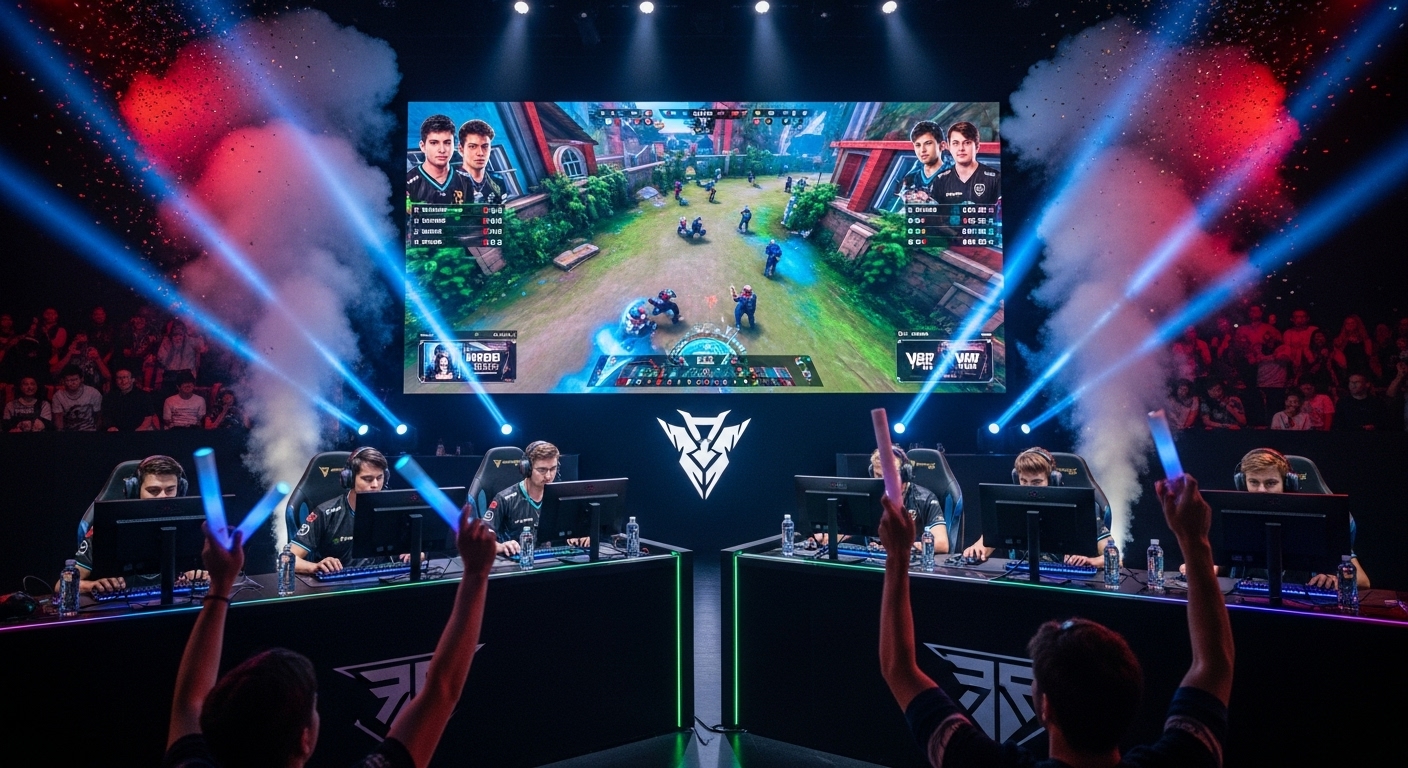
In 2019, the League of Legends World Championship Final attracted over 100 million viewers across various platforms, surpassing the viewership of many major traditional sports finals. This is not a one-time phenomenon—esports events routinely fill arenas and generate massive online audiences. This surge in popularity has caught the attention of major media companies, who have begun to invest in broadcasting esports events, further fueling its growth.
The Economic Boom of Esports
Esports is now a multi-billion-dollar industry, with numerous revenue streams fueling its expansion. The industry’s financial ecosystem is built on several key pillars, including sponsorship deals, ticket sales, merchandise, streaming revenue, and prize money.
Sponsorships are one of the largest sources of income for esports teams and events. Major global brands such as Coca-Cola, Intel, Nike, and Red Bull have partnered with esports organizations, recognizing the potential of the esports demographic, which is largely composed of young, tech-savvy, and brand-conscious consumers. These sponsorships not only support the operational costs of tournaments but also help teams secure high-quality training facilities, technology, and coaching staff.
Advertising is another significant revenue stream. Esports platforms like Twitch allow advertisers to target viewers with tailored ads, taking advantage of the growing popularity of esports among millennials and Gen Z. As esports events are broadcast live, advertisers can reach a captive audience, often offering real-time, interactive ad formats that engage viewers more directly than traditional advertisements.
In addition to sponsorships and advertising, ticket sales and merchandising also contribute to esports’ growing economic footprint. Live tournaments, such as The International for Dota 2 or the League of Legends World Championship, regularly sell out large arenas, generating millions in ticket sales. Teams and organizations also sell branded merchandise such as apparel, gaming peripherals, and other collectibles, adding another revenue stream.
Technological Advancements Driving Esports Innovation
The esports industry thrives on innovation, particularly in technology. High-performance gaming computers, specialized peripherals, and ultra-fast internet connections are crucial for ensuring smooth and competitive gameplay. As the industry evolves, so does the technology that supports it.
One of the most notable advancements in esports technology is virtual reality (VR) and augmented reality (AR). While still in its early stages, VR and AR have the potential to revolutionize esports by providing immersive environments for players and spectators alike. Imagine participating in a VR tournament where you are fully immersed in the game world or watching a match in AR, where you can interact with the action as if you were physically present.
Moreover, data analytics has become an essential tool in professional esports. Teams now utilize sophisticated software to track player performance, analyze opponent strategies, and optimize team coordination. This data-driven approach has raised the bar for competitive gaming, pushing players and teams to improve continually.
The Social and Cultural Impact of Esports
Esports has gone beyond just a form of entertainment—it has become a cultural phenomenon. For many fans, esports provides a sense of community and belonging. Players from all over the world connect through online forums, watch parties, and social media, discussing strategies, sharing memes, and supporting their favorite teams.
The growth of esports has also given rise to a new form of celebrity. Streamers, players, and influencers have amassed millions of followers, making them prominent figures in the entertainment industry. They create content, interact with fans, and even participate in charity events and philanthropic causes. These personalities blur the line between traditional sports athletes and digital entertainers.
Esports has also sparked important conversations around diversity and inclusion. The gaming community has been historically dominated by males, but in recent years, there has been a concerted effort to make esports more accessible and inclusive for women and other marginalized groups. Many organizations now focus on supporting female gamers and players from underrepresented backgrounds, working to ensure that esports is a welcoming space for everyone.
The Future of Esports: Where Is It Headed?
As esports continues to expand, its potential for growth seems limitless. In the near future, we can expect the following developments:
- More Integration with Traditional Sports: Esports has already partnered with traditional sports leagues such as the NBA and NFL. In the future, we may see even closer ties between the two industries, with hybrid events that combine real-life sports and esports competitions.
- Virtual Reality and Augmented Reality: VR and AR technologies will continue to evolve, allowing for even more immersive esports experiences. Fans will be able to watch live tournaments in virtual arenas, and players may compete in entirely new ways.
- Global Accessibility: With the rise of cloud gaming and mobile esports, the barrier to entry for competitive gaming will lower, allowing more people around the world to participate in esports. This democratization of gaming could lead to a wider range of global champions, further expanding the diversity of the esports community.
- Esports in Education: As esports continues to gain credibility, educational institutions are increasingly offering esports programs. In the future, we may see esports integrated into school curriculums and university programs, teaching students not just how to game, but also how to manage teams, develop technology, and run events.
- Esports in the Metaverse: As the metaverse begins to take shape, esports could find a home in virtual worlds where players and fans engage in immersive digital spaces. This could open up new opportunities for both competition and fan engagement.
Conclusion: Esports as the Future of Entertainment
Esports has proven itself to be more than just a passing trend—it is a permanent fixture in the entertainment landscape. From humble beginnings in local arcades and LAN tournaments to becoming a global industry with professional leagues, sponsorships, and massive online audiences, esports has redefined what it means to be a competitive sport in the digital age.
As technology advances and new generations embrace gaming as a mainstream activity, the influence of esports will only grow. With its ability to unite people, drive innovation, and create new career opportunities, esports represents the future of entertainment—one that is interactive, inclusive, and global in scope.
The competitive gaming world is no longer a niche interest; it has become a cultural and economic powerhouse that is shaping the future of digital entertainment. With its blend of skill, entertainment, and community, esports is not just playing the game—it is changing the game entirely.