Introduction: A New Age of Competition
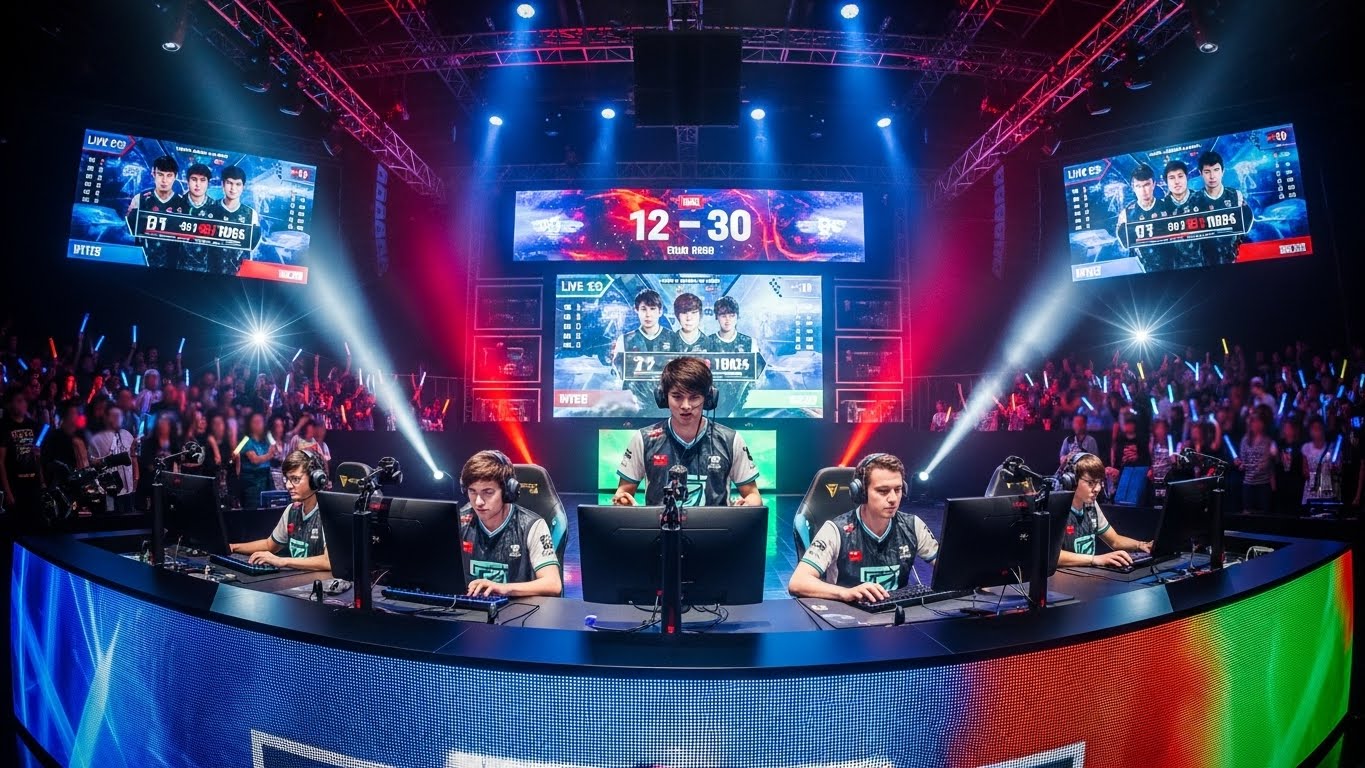
Over the past decade, esports has transformed from a niche hobby into a worldwide cultural and economic force. What was once a pastime enjoyed by small groups of gaming enthusiasts has now grown into a professional industry with packed arenas, multimillion-dollar prize pools, and fanbases rivaling traditional sports. The rise of esports represents not only a shift in how people play games, but also in how they consume entertainment, interact socially, and even build careers. This blog explores the journey of esports from living-room competitions to global tournaments, highlighting the factors that contributed to its explosive growth and the future that lies ahead.
The Early Foundations of Esports
Long before esports became a household term, competitive gaming existed in humble forms. The earliest competitions occurred in the late twentieth century, where small communities gathered for friendly battles across arcade machines and early personal computers. These competitions were not motivated by fame or prize money; instead, they were opportunities for passionate players to showcase skill, strategy, and mastery.
As gaming technology improved and home consoles became more widespread, competitive gaming gradually expanded. Titles such as fighting games, first-person shooters, and strategy-based games cultivated dedicated followings. These early foundations set the stage for organized esports, even if the global audience we see today was still years away.
The Internet Revolution: Fueling Competitive Play
The internet dramatically changed the landscape of gaming. With the rise of online multiplayer, players no longer needed to gather in person to compete. Suddenly, gamers from different countries could face off at any time, creating a level of competition never seen before.
Broadband internet brought improved stability and speed, enabling high-quality matches with minimal lag. This infrastructure allowed tournaments to expand beyond physical boundaries and gave birth to dedicated online leagues. Players could now join teams, train regularly, and develop strategies just as traditional athletes do.
Moreover, the internet provided a platform for spectatorship. People could watch skilled players in real time, learn new tactics, and engage with their favorite competitors. This combination of accessibility, connectivity, and entertainment propelled esports from a community pastime to a mainstream digital sport.
The Expansion of Professional Leagues
As more people tuned in to watch skilled gamers, developers and organizations recognized the potential of structured competitive leagues. Game publishers began creating official tournaments for their most popular titles, while independent organizers introduced events that spanned multiple games and regions.
Professional leagues brought legitimacy to esports. Teams recruited players, hired coaches, and developed training routines. Analysts studied gameplay footage to craft strategies. Sponsors began investing in organizations, offering financial support that helped players turn their passion into a full-time career.
The format of these leagues often mirrored traditional sports, with regular seasons, playoff brackets, and championship finals. This structure created narratives and rivalries that attracted fans, further cementing esports as a respected and organized industry.
Why People Love Esports
The success of esports is rooted in the emotional and intuitive appeal it offers. For many viewers, watching a high-level match is as thrilling as watching a basketball game, soccer match, or boxing fight. The action is fast, the decisions happen in seconds, and every play can change the outcome.
Esports also offers a sense of inclusivity. Anyone with a computer, console, or mobile device can start playing, regardless of physical strength or athletic background. This accessibility attracts a wide demographic of players and fans.
Additionally, esports taps into cultural trends centered around technology, online communication, and digital entertainment. Younger generations, who grew up with games as a central part of their lives, find esports naturally appealing. It merges the excitement of competition with the familiar world of gaming, creating a perfect environment for long-term engagement.
The Impact of Streaming and Content Creation
One of the most powerful contributors to esports growth is the rise of game streaming. Content creators and professional players broadcast their gameplay, allowing audiences to watch matches, learn techniques, and engage with personalities they admire.
This streaming culture fosters a strong sense of community. Fans do not simply watch from afar; they interact through live chats, participate in discussions, and follow players on various platforms. The constant interaction keeps the audience deeply involved, turning casual viewers into active participants.
Streaming also gives aspiring players a path toward recognition. Many professional esports athletes started as streamers or content creators before being recruited by teams. This creates a natural pipeline of talent and helps maintain the industry’s momentum.
The Business Behind Esports
Esports is not only about gameplay; it is also a thriving business ecosystem. Revenue comes from a variety of sources, including sponsorships, merchandise sales, advertising, ticket sales, and media rights. Major brands from across the world invest in teams and events because esports provides access to a highly engaged and tech-savvy audience.
Prize pools in major tournaments have reached heights that rival or surpass many traditional sports. This financial growth attracts more players, organizations, and investors, further solidifying esports as a powerful industry.
The business side of esports has also encouraged the development of supporting services. Coaching programs, analytics tools, content production companies, hardware manufacturers, and training facilities all contribute to a robust and diverse ecosystem.
Esports in Education
An emerging trend in the esports world is its integration into educational institutions. Schools and universities have begun offering esports programs, courses, and even scholarships. These programs do more than support competition; they teach students about digital media, team management, marketing, broadcasting, and game design.
Esports in education highlights that competitive gaming is not merely entertainment. It offers opportunities for personal growth, academic development, and even career advancement. This integration helps normalize esports and further expands its reach.
The Globalization of Esports
Esports has achieved a truly global presence. Tournaments take place in major cities around the world, and international competitions bring together teams from multiple continents. Regional leagues flourish in countries across Asia, Europe, North America, South America, and beyond.
This global growth fosters cultural exchange. Fans cheer for teams from different regions, learn about international playstyles, and celebrate diverse talent. The worldwide nature of esports allows it to connect people from various backgrounds through a shared passion for gaming.
The Future of Esports
Looking ahead, esports is poised for even greater expansion. Advancements in technology such as virtual reality, augmented reality, and increasingly powerful hardware will open doors to new competitive formats. Mobile gaming will continue to grow, bringing esports to millions of new players who rely on smartphones as their primary gaming devices.
Additionally, mainstream acceptance will continue to rise. Traditional sports organizations, media networks, and entertainment companies already collaborate with esports brands. This trend will deepen as more audiences embrace digital competition.
As esports evolves, it will face challenges such as maintaining competitive balance, ensuring player health, and managing international regulations. However, its history of innovation suggests that the industry will adapt and continue to thrive.
Conclusion: The Digital Arena of Tomorrow
Esports has come a long way from its humble beginnings. It now stands as a global cultural movement, a booming industry, and a source of inspiration for millions. It blends competition, creativity, technology, and community in a way no other entertainment form can match.
Whether you are a casual viewer, an aspiring competitor, or simply someone interested in modern digital culture, esports offers something meaningful. As it continues to evolve, one thing remains clear: the digital arena will be one of the defining stages of modern entertainment, and its impact will shape the future of how we play, connect, and compete.