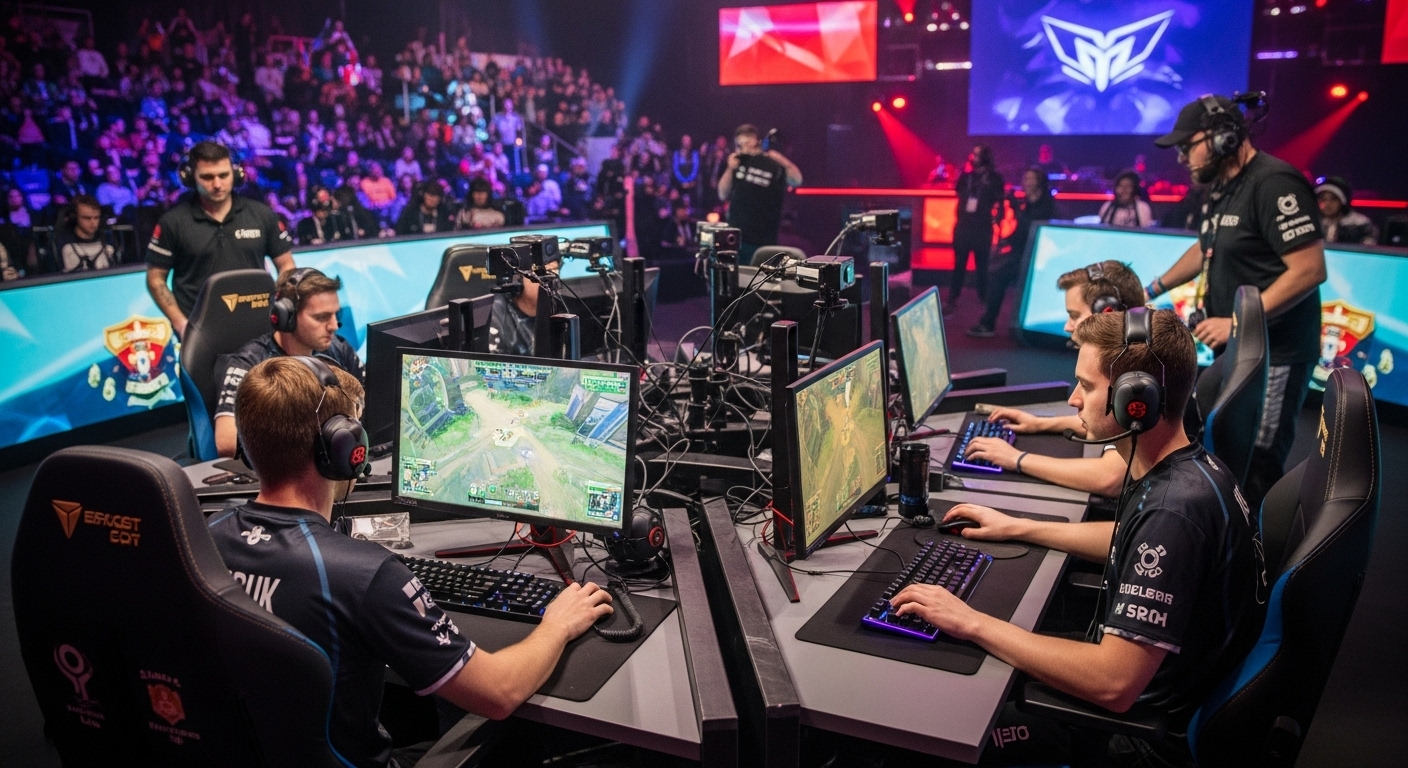
Esports, short for electronic sports, has rapidly transformed from a niche hobby into a global phenomenon. Over the last two decades, it has grown into a multi-billion-dollar industry, captivating millions of fans worldwide. Unlike traditional sports, esports thrives entirely in the digital space, encompassing competitive video gaming across various genres and platforms. Its meteoric rise has been fueled by advancements in technology, the expansion of internet accessibility, and the growing influence of streaming platforms. Today, esports is not only a form of entertainment but also a legitimate career path for professional gamers, commentators, and content creators.
A Brief History of Esports
The origins of esports can be traced back to the 1970s and 1980s, during the early days of arcade gaming. Tournaments like the Space Invaders Championship in 1980 marked one of the first known competitive gaming events, attracting thousands of participants. As personal computers became more accessible in the 1990s, multiplayer gaming began to flourish. Games like Quake, StarCraft, and Counter-Strike laid the foundation for competitive gaming by introducing online matches, team strategies, and organized tournaments.
The early 2000s saw the rise of esports leagues and professional gaming teams. South Korea emerged as a significant hub for esports, particularly with the explosion of StarCraft: Brood War tournaments. The country’s dedication to gaming culture, combined with widespread broadband access, helped create a professional esports ecosystem. Around the same time, games like Warcraft III and Counter-Strike gained global recognition, drawing international audiences and fostering competitive communities.
The Growth of Esports in the Modern Era
The 2010s marked a turning point in esports, with technological advancements and streaming platforms driving unprecedented growth. Services like Twitch, YouTube Gaming, and later Facebook Gaming allowed fans to watch professional gamers in real-time, bridging the gap between players and audiences. This direct connection between competitors and fans helped esports gain mainstream recognition.
Major tournaments began to offer substantial prize pools, attracting professional players and teams from around the world. Games like League of Legends, Dota 2, and Fortnite became household names, boasting millions of players and viewers. Esports organizations also evolved into structured entities, resembling traditional sports clubs, complete with management, sponsorships, and training facilities.
Popular Esports Genres
Esports encompasses a wide array of gaming genres, each with its own unique competitive scene. Some of the most prominent genres include:
Multiplayer Online Battle Arena (MOBA)
MOBA games, such as League of Legends and Dota 2, are among the most popular esports titles globally. These games require strategic thinking, teamwork, and quick reflexes. Players compete in teams to destroy the opponent’s base while defending their own. The complexity of MOBA games allows for deep competitive play, making them ideal for esports tournaments.
First-Person Shooters (FPS)
FPS games, including Counter-Strike: Global Offensive, Call of Duty, and Valorant, focus on combat and precision shooting. These games demand fast reflexes, spatial awareness, and effective communication among team members. FPS tournaments often attract massive audiences due to their fast-paced, high-intensity gameplay.
Battle Royale
Battle royale games, such as Fortnite, PUBG, and Apex Legends, have gained popularity in recent years. These games pit large numbers of players against each other in a shrinking arena, with the last player or team standing declared the winner. The unpredictability and high-stakes nature of battle royale games make them exciting to watch, contributing to their rapid rise in esports.
Sports Simulation
Sports simulation games, including FIFA, NBA 2K, and Madden NFL, bring traditional sports into the digital realm. These games replicate real-world sports mechanics, allowing players to compete virtually in professional leagues. Sports simulation esports appeal to fans of traditional sports, bridging the gap between physical and digital competition.
Fighting Games
Fighting games like Street Fighter, Tekken, and Super Smash Bros. emphasize one-on-one combat and precise execution of moves. These games have a dedicated competitive community, often highlighted through international tournaments with live audiences.
The Role of Streaming and Media in Esports
Streaming platforms have been instrumental in esports’ rise. Twitch, launched in 2011, revolutionized how fans consume gaming content. Professional gamers can stream practice sessions, participate in live tournaments, or interact with fans in real-time. YouTube Gaming and Facebook Gaming further expanded the reach of esports content, enabling creators to monetize their streams and grow audiences globally.
Esports media coverage has also increased, with specialized websites, podcasts, and news channels dedicated to gaming. This media presence has helped legitimize esports as a professional industry and attract sponsorships from major brands. Companies outside the gaming industry, including tech giants, fashion brands, and even financial institutions, are now investing in esports marketing campaigns.
Professional Players and Career Opportunities
Esports has created a variety of career paths for individuals passionate about gaming. Professional players can earn substantial income through tournament winnings, sponsorships, and streaming revenue. Top esports athletes often undergo rigorous training schedules, similar to traditional sports professionals, including physical fitness, strategic planning, and teamwork exercises.
Beyond playing, esports offers careers in coaching, analysis, commentary, event management, and content creation. Organizations hire coaches to improve team performance, analysts to study opponent strategies, and commentators to engage audiences during live events. This diversification has made esports a sustainable career option for many individuals.
The Economics of Esports
The esports industry has experienced exponential growth in revenue over the past decade. The market is driven by multiple revenue streams, including:
- Sponsorships: Companies invest in teams, tournaments, and individual players to reach a highly engaged audience.
- Advertising: Esports events attract millions of viewers, making them attractive for advertising campaigns.
- Merchandise: Teams and tournaments sell branded merchandise to fans, generating additional income.
- Ticket Sales: Live events, though impacted by global events like pandemics, contribute significantly to revenue.
- Streaming and Subscriptions: Platforms monetize through advertisements, subscriptions, and donations from fans.
The financial success of esports has also attracted investors and venture capitalists, further fueling growth and professionalization.
Global Esports Communities
Esports has fostered vibrant global communities. Players from different countries can compete online, breaking down geographical barriers. Online forums, social media groups, and gaming conventions allow fans to connect, share strategies, and celebrate their favorite teams.
Regions like South Korea, China, and the United States have emerged as esports powerhouses, hosting major tournaments and cultivating professional talent. Each region brings unique cultural perspectives, strategies, and fan engagement styles, contributing to the diversity of the esports ecosystem.
Challenges Facing the Esports Industry
Despite its success, esports faces several challenges:
Mental and Physical Health
Professional gaming can be mentally and physically demanding. Long hours of practice, high-pressure tournaments, and the stress of competition can lead to burnout, anxiety, and other health issues. Organizations are increasingly emphasizing mental health support and balanced training schedules.
Regulation and Fair Play
Ensuring fair play is a significant concern in esports. Cheating, doping, and account boosting undermine the integrity of competitions. Regulatory bodies and anti-cheat software are critical in maintaining competitive fairness.
Accessibility and Inclusivity
While esports has grown rapidly, accessibility remains an issue in certain regions. High costs of gaming equipment, limited internet access, and social stigma can restrict participation. Moreover, promoting gender diversity and inclusivity in esports is an ongoing challenge, as the industry is often male-dominated.
The Future of Esports
The future of esports looks promising, with continued technological advancements shaping the industry. Virtual reality and augmented reality are poised to transform competitive gaming experiences, offering immersive gameplay and new forms of audience engagement. Artificial intelligence can enhance training, strategy analysis, and personalized content for fans.
Esports is also expected to integrate further with traditional sports. Some professional sports teams are investing in esports divisions, recognizing the overlap between physical and digital competitive audiences. Additionally, educational institutions are beginning to offer scholarships and programs for esports, legitimizing it as a viable career path.
As esports continues to grow, it will likely become more mainstream, with increased media coverage, corporate investment, and public acceptance. Its ability to adapt to technological changes and global trends ensures that competitive gaming will remain a cultural and economic force for years to come.
Conclusion
Esports has come a long way from its humble beginnings in arcades and early PC gaming communities. Today, it represents a dynamic industry that merges technology, entertainment, and competition on a global scale. With millions of fans, professional players, and diverse game genres, esports has established itself as a legitimate form of sport, entertainment, and career opportunity.
The journey of esports reflects the broader evolution of digital culture and the growing influence of gaming in society. Its continued expansion promises new innovations, opportunities, and experiences for players and fans alike. As the line between virtual and real-world competition blurs, esports is poised to redefine the future of entertainment and professional sports.