Introduction: The Evolution of Gaming Into a Global Phenomenon
Esports, or competitive video gaming, has grown from an underground pastime into a global cultural and economic force. What started as small, local tournaments and college competitions has now evolved into a billion-dollar industry, attracting millions of viewers and turning top players into celebrities. The meteoric rise of esports has changed the way people view gaming. No longer just a hobby for introverted teenagers, esports is now a professional career path, with athletes, coaches, analysts, and broadcasters making a living in the gaming world. But how did this once niche hobby evolve into a massive industry that rivals traditional sports?
The Origins of Esports: From Arcades to Online Competitions
Esports did not appear overnight. Its origins date back to the early days of video games when competitive play began in arcades. The first recognized esports competition took place in 1980, with the Space Invaders Championship drawing thousands of players. This was a time when gaming was still seen as a recreational activity, rather than something that could be taken seriously at a professional level.
As the internet began to grow in the 1990s, so did the scope of competitive gaming. Multiplayer games like Quake and StarCraft began attracting serious players who competed in tournaments for modest prizes. South Korea played a key role in the development of esports, where games like StarCraft were broadcast on national television and esports became a major part of the country’s entertainment culture. As online gaming became more accessible and stable, the scope of tournaments grew from local competitions to large, international events. These tournaments drew large audiences and attracted sponsorships, setting the stage for the esports boom in the 2000s.
The Growth of Esports: Turning Passion into Profession
In the 2000s, esports began to shed its amateur image. The development of streaming platforms like Twitch revolutionized the way people could watch competitive gaming. Viewers could now watch live tournaments from anywhere in the world, making it possible for esports to reach a global audience. The explosion of League of Legends, Dota 2, Counter-Strike, and Overwatch helped solidify the status of esports as a mainstream form of entertainment.
The prize money for tournaments increased exponentially, with some events offering millions of dollars to winners. For example, the Dota 2 International tournament regularly boasts prize pools that surpass $30 million, funded largely by the game’s community through crowdfunding efforts. This level of financial support from both fans and sponsors has allowed players to treat their gaming skills as a viable career, just like athletes in traditional sports.
As esports evolved, so did the organizations behind the games. Esports organizations like Team Liquid, Cloud9, and Fnatic became brands, attracting corporate sponsors from major companies such as Intel, Red Bull, and Coca-Cola. These organizations were able to pay players a salary, provide coaching, and even arrange for travel to tournaments worldwide. The rise of professional esports leagues, such as the Overwatch League and the League of Legends Championship Series, further solidified esports as a legitimate industry. These leagues function like traditional sports leagues, with regular seasons, playoffs, and a focus on developing the talent of young players.
The Industry Behind Esports: A Multi-Billion Dollar Ecosystem
Esports has quickly grown into a multi-billion dollar industry, with revenue generated from a variety of sources. Sponsorships and advertising play a major role, as big-name brands seek to align themselves with the popularity and growing influence of esports. Major technology companies like Intel, Nvidia, and Alienware are heavily invested in esports, providing high-performance gaming hardware for both players and fans. Similarly, beverage and energy drink companies like Monster and Red Bull sponsor tournaments and teams, further linking esports to popular culture.
Media rights have also become a significant source of revenue. Just like traditional sports leagues, esports organizations are now selling the rights to broadcast their tournaments. Streaming platforms such as Twitch, YouTube, and Facebook have become central to the distribution of esports content, drawing millions of viewers each month. The advertising revenue generated from these streams is substantial, with brands paying to advertise during broadcasts and create content specifically for esports audiences.
Esports’ influence doesn’t stop at sponsorships and broadcasting. It has also created an entire ecosystem of job opportunities, from coaches and analysts to broadcasters and social media managers. Players, team owners, managers, and production staff are just a few examples of the growing number of professionals working within the esports industry. The economic impact of esports is expected to continue growing, with estimates suggesting the industry could be worth over $1.5 billion by the end of the decade.
Professional Esports: Life as a Player
Being an esports player is no longer a hobby or side project—it is a full-time job. Competitive gaming is intense, and the dedication required to be successful is on par with that of traditional athletes. Players practice for hours every day, honing their reflexes, strategy, and communication skills. Teams often have coaches and analysts to help refine gameplay and develop new strategies.
Esports players live a very different lifestyle than traditional athletes. Most professional gamers begin their careers at a young age, often in their teens. With a shorter career span compared to traditional sports, many players must prepare for a career transition once they retire from competitive play. This has led to the growth of esports education programs and academies that help young players develop both their gaming skills and their business acumen, setting them up for a future in the esports industry, whether as coaches, content creators, or team managers.
The life of a professional esports player involves extensive travel, as teams participate in international tournaments and leagues. Players may spend weeks or even months away from home, living in team houses or training facilities where they practice and prepare for upcoming competitions. The pressure to perform can be intense, and mental health has become a growing focus within the esports community. Many organizations now employ sports psychologists and offer mental health resources to help players deal with stress, burnout, and performance anxiety.
The Spectator Experience: Esports as a Viewing Experience
One of the most remarkable aspects of esports is its ability to create a spectator experience on par with traditional sports. Esports tournaments are often streamed live on platforms like Twitch, YouTube, and Facebook, where fans can watch their favorite players and teams compete in real-time. These broadcasts are often enhanced with professional commentary, analysis, and in-depth statistics, making them as engaging and informative as traditional sports broadcasts.
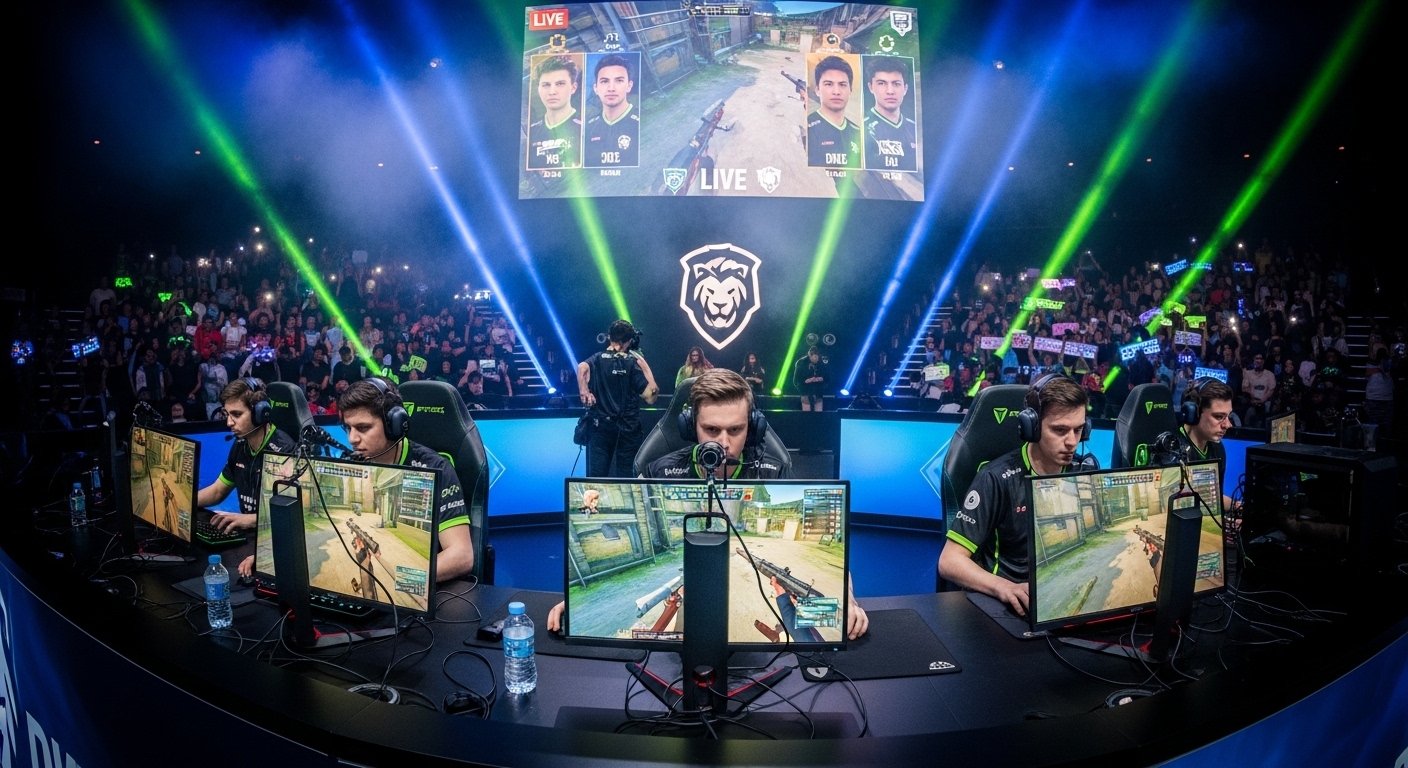
Esports events are known for their passionate fanbases. Fans follow their favorite teams, players, and tournaments just as closely as sports fans follow their favorite football or basketball teams. Major esports events are held in large arenas, with thousands of spectators attending in person to cheer on their teams. These events often feature elaborate opening ceremonies, player introductions, and intense action, creating an atmosphere similar to that of a major sports league. Some esports tournaments even offer prize pools and viewership numbers that rival traditional sports, further demonstrating the growing global interest in competitive gaming.
The Social Impact of Esports: Changing the Perception of Gaming
Esports has had a profound social impact by changing the way people perceive gaming. Once seen as a solitary activity for introverts, gaming has evolved into a vibrant, community-driven culture. Multiplayer games, especially those featured in esports, encourage social interaction, teamwork, and strategic thinking. Players often communicate and collaborate with teammates from different parts of the world, fostering a sense of global connection and understanding.
The rise of esports has also led to a shift in how gaming is viewed by parents, educators, and society as a whole. While concerns about the impact of video games on children’s health and well-being still exist, esports has helped demonstrate that gaming can be a legitimate career choice for those with the necessary talent and dedication. In fact, some universities have even begun offering scholarships for esports players, recognizing the skill and commitment required to succeed in competitive gaming.
Esports has created a new platform for socialization and self-expression. Streamers and content creators build massive online followings, using platforms like Twitch and YouTube to engage with their audiences. This shift has allowed gaming communities to form around shared interests, and some streamers have become just as influential as traditional celebrities. These online personalities use their platforms to not only entertain but also to promote causes, raise awareness, and build positive communities. Esports has empowered a new generation of gamers to embrace their passion and connect with others who share similar interests.
The Future of Esports: Innovation and Global Expansion
The future of esports is filled with potential. As technology continues to evolve, so too will the esports experience. Virtual reality (VR) and augmented reality (AR) have the potential to revolutionize the way fans interact with esports, offering a more immersive and interactive experience. VR could allow viewers to feel as though they are sitting courtside during an esports event or even participate in games themselves. Advances in AI and machine learning could also impact gameplay, enabling more sophisticated and dynamic match strategies.
Esports is also set to expand further across the globe. While the industry is already huge in North America, Europe, and Asia, esports is gaining traction in other parts of the world, including Africa, the Middle East, and Latin America. As internet access improves and mobile gaming continues to rise in popularity, esports will reach new audiences, with more players and fans joining the global community. Esports has the potential to become a truly global phenomenon, with even greater growth on the horizon.
Conclusion: Esports as the Future of Competitive Entertainment
Esports is no longer a passing trend or a subculture; it is a dynamic and thriving industry that has transformed the world of entertainment. What started as a niche hobby has now become a global cultural and economic force, attracting millions of fans and providing new opportunities for players, creators, and professionals. With its growing reach, financial backing, and social impact, esports is poised to redefine