In recent years, esports has skyrocketed from a niche pastime into a global phenomenon. What once started as a hobby for a small group of dedicated gamers has transformed into a multi-billion-dollar industry, attracting millions of viewers, major sponsors, and even mainstream media attention. From professional leagues to massive international tournaments, esports is now an established and respected part of the global entertainment landscape.
This blog post delves into the evolution of esports, its impact on the gaming community and society at large, and the future of this competitive gaming revolution.
The Origins of Esports: A Grassroots Movement
The roots of esports can be traced back to the early days of video games. In the 1970s and 1980s, gaming was largely a solo activity, enjoyed by individuals at home or in arcades. However, as multiplayer games began to gain traction, the concept of competitive gaming was born.
In the late 1990s, games like Quake and StarCraft became the focal points of early esports competitions. The first notable event, the Red Annihilation tournament in 1997, was hosted by John Carmack, the creator of Quake. This tournament is often regarded as one of the first major esports events, offering a $1,000 prize pool and attracting players from around the world. These early tournaments were grassroots efforts that took place in local LAN (Local Area Network) centers, where players could compete in person.
By the early 2000s, competitive gaming began to gain more structure, with games like Warcraft III and Counter-Strike becoming popular choices for organized competitions. The formation of esports organizations and leagues started to take shape, with major tournaments such as the World Cyber Games (WCG) and Electronic Sports World Cup (ESWC) making waves internationally. Esports was slowly but surely transitioning from a hobbyist activity to a legitimate competitive sport.
Esports and the Rise of Streaming Platforms
A pivotal moment in the growth of esports came with the advent of online streaming platforms. The launch of Twitch in 2011 provided a centralized platform where gamers could not only play their favorite games but also watch others play. Twitch quickly became the go-to destination for esports events, attracting millions of viewers to tournaments, casual streams, and even gaming talk shows.
The ability to stream live gameplay transformed esports from a local or regional activity into a global spectacle. Fans from all corners of the world could now watch their favorite players and teams compete in real-time, contributing to a sense of community and shared experience that was previously impossible. Streaming platforms also opened new revenue streams for esports organizations, as they could now monetize their content through ads, subscriptions, and sponsorships.
The integration of esports into streaming platforms also helped fuel the growth of esports influencers and content creators. Popular streamers, such as Ninja (Tyler Blevins), Shroud, and Syndicate, became household names, not only for their gaming prowess but also for their entertainment value and engaging personalities. As a result, esports was no longer just about competition; it was about building an entire entertainment ecosystem.
The Professionalization of Esports
One of the key factors that has fueled the rise of esports is the professionalization of the industry. As viewership numbers grew, so did the demand for better organization, higher prize pools, and more professional teams. Esports organizations began to form full-time, salaried teams with coaches, analysts, and managers, much like traditional sports teams.
Leagues such as League of Legends Championship Series (LCS) and Overwatch League (OWL) introduced regular seasons, playoffs, and even franchising models similar to those found in major traditional sports leagues. These changes elevated the status of esports to that of a legitimate profession, with players and coaches making comfortable salaries, traveling to tournaments, and being treated like professional athletes.
Sponsorship deals also played a huge role in the professionalization of esports. Major companies, ranging from tech giants like Intel and NVIDIA to non-endemic brands such as Coca-Cola and Red Bull, began to pour money into the esports ecosystem. These partnerships not only provided financial support but also helped bring credibility to the scene. Esports players and teams were no longer seen as “just gamers”; they were athletes, celebrities in their own right.
The Global Impact of Esports
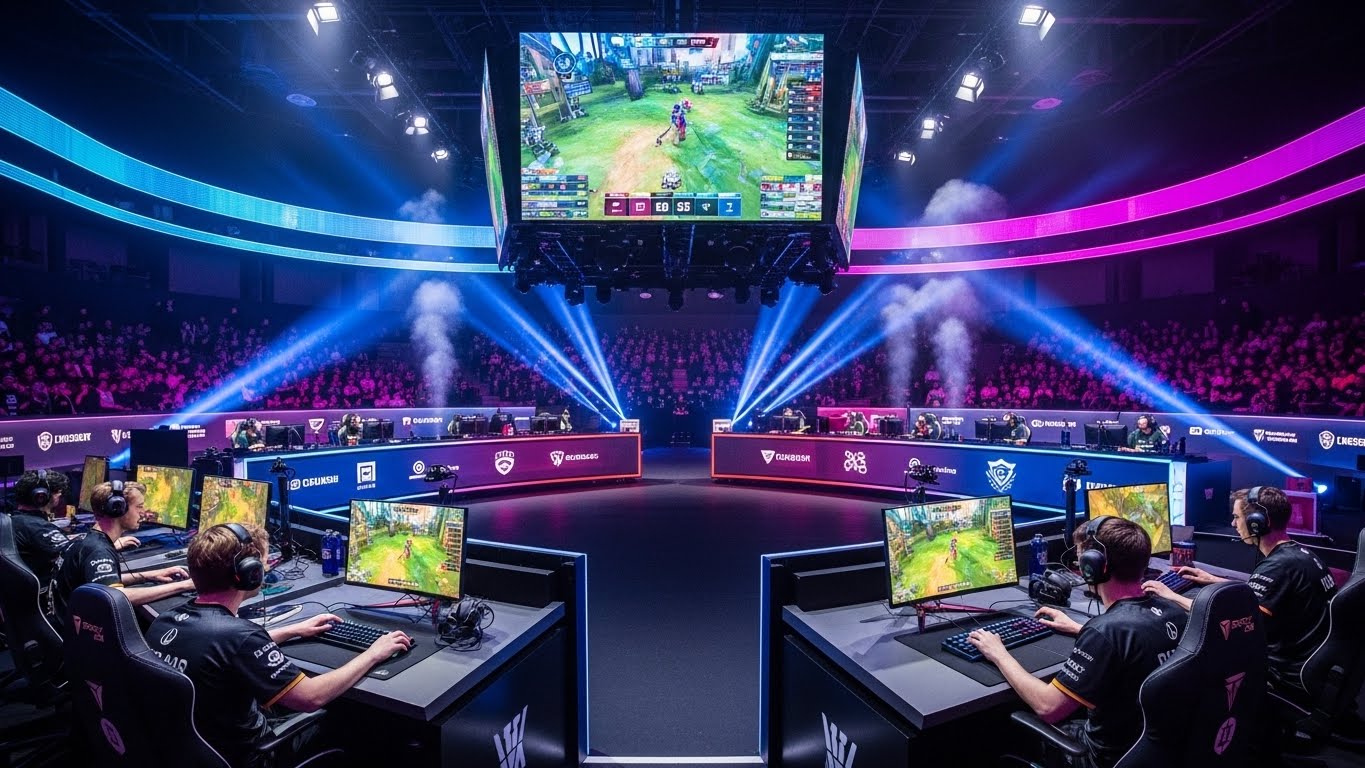
Esports has become a truly global phenomenon, transcending borders, cultures, and languages. Major tournaments like The International (Dota 2) and League of Legends World Championship attract millions of viewers worldwide, both online and in person. These tournaments are broadcast in multiple languages, allowing fans from different regions to enjoy the action in their native tongues.
In addition to viewership, esports has also made significant cultural and economic contributions. Many countries have embraced esports as an official sport, and several have even begun offering scholarships for collegiate players. South Korea, often considered the birthplace of modern esports, has been a pioneer in integrating esports into the mainstream, with government initiatives and dedicated esports stadiums.
In the United States, esports is rapidly gaining recognition as a legitimate career path for young people. Universities across the country are offering esports scholarships and developing varsity esports programs, while high schools are also beginning to integrate esports into their athletic departments. This has created a new avenue for aspiring gamers to pursue their passion in a more structured, career-oriented environment.
Esports’ international appeal is also evident in the growing popularity of mobile gaming. Games like PUBG Mobile, Arena of Valor, and Free Fire have attracted massive followings in regions like Southeast Asia, Latin America, and the Middle East. This has opened up new opportunities for players, teams, and organizations to tap into previously underserved markets.
Esports in the Mainstream: Cultural Acceptance and Recognition
One of the most exciting aspects of the rise of esports is its increasing acceptance in mainstream culture. No longer is esports viewed as a fringe activity for “geeks” or “nerds”; it is now a respected and celebrated part of the entertainment industry. Major broadcasters, such as ESPN and Turner Sports, have begun airing esports events, often featuring live coverage of major tournaments.
In 2018, the Asian Games officially included esports as a demonstration sport, with the possibility of it becoming a full-fledged Olympic event in the future. This recognition from traditional sports organizations speaks volumes about the legitimacy and popularity of esports as a competitive pursuit.
In addition, the gaming community has increasingly found a voice in pop culture. Esports stars are becoming celebrities, with some even branching out into music, acting, and entrepreneurship. For example, Ninja, who rose to fame playing Fortnite, has collaborated with artists like Marshmello and Drake, further solidifying his status as a mainstream cultural figure.
The Future of Esports: Growth and Sustainability
Looking to the future, the growth of esports shows no signs of slowing down. In fact, many analysts predict that esports will continue to grow into an even more massive industry, rivaling traditional sports in terms of viewership, revenue, and cultural influence.
One of the key drivers of this growth is the continued expansion of esports into new regions and demographics. As mentioned earlier, mobile gaming has introduced esports to new audiences, particularly in developing countries. In addition, younger generations are increasingly embracing esports as a form of entertainment, as well as a potential career path.
Another important factor is the development of new technologies, such as virtual reality (VR) and augmented reality (AR), which could revolutionize the way people experience esports. These technologies could bring esports fans closer to the action, providing more immersive and interactive viewing experiences.
However, challenges remain. As esports grows, it will need to address concerns related to player health, mental well-being, and fair competition. There is also the risk of oversaturation, with too many tournaments and leagues leading to viewer fatigue. Balancing growth with sustainability will be crucial for the long-term success of the industry.
Conclusion
Esports has come a long way since its humble beginnings in local LAN cafes and small competitions. What was once a niche hobby has evolved into a global entertainment powerhouse, attracting millions of fans, substantial investments, and widespread cultural recognition. As esports continues to grow, it will undoubtedly shape the future of competitive gaming, entertainment, and even sports culture as a whole.
The next decade promises even greater excitement and innovation, as esports becomes an increasingly dominant force in the entertainment industry. Whether you’re a player, a fan, or someone simply interested in the future of entertainment, one thing is certain: esports is here to stay, and its impact on the world will only continue to grow.