Introduction
Twenty years ago, the idea of professional video gaming sounded more like a fantasy than a career path. Fast forward to today, and esports stands as a multi-billion-dollar industry that rivals traditional sports in viewership, sponsorship, and cultural impact. What began as small local tournaments has evolved into massive international events filling entire stadiums and drawing audiences of millions online. Esports isn’t just about people playing video games anymore—it’s a lifestyle, a career, and a cultural phenomenon reshaping entertainment and competition worldwide.
The Early Days of Competitive Gaming
Before the term “esports” became common, gaming competitions were casual gatherings. In the late 1970s and early 1980s, arcade titles like Space Invaders and Pac-Man brought players together to chase high scores. The 1980 “Space Invaders Championship,” organized by Atari, is often cited as one of the first large-scale gaming tournaments, drawing over ten thousand participants. It wasn’t glamorous—no flashing lights, live commentators, or massive prizes—but it set the stage for what was to come.
The 1990s introduced competitive PC gaming with titles like Doom, Quake, and StarCraft. LAN (local area network) parties became the hub of competition, where players lugged heavy desktop computers to basements and community centers for head-to-head battles. These grassroots events helped establish the foundations of organized competition, player rankings, and fan followings. Even without corporate backing or online streaming, dedicated communities formed around these games, united by passion and skill.
The Internet Revolution and the Birth of Esports
The real turning point came with the rise of broadband internet. When online connectivity became fast and stable, players could compete across countries without physical presence. This revolutionized gaming forever. Titles like Counter-Strike, Warcraft III, and StarCraft: Brood War became global sensations, particularly in regions like South Korea, where gaming cafes known as “PC bangs” fueled the rise of professional gamers.
In South Korea, esports took off faster than anywhere else. Government recognition, dedicated broadcasting channels, and a culture that celebrated gaming transformed players into celebrities. StarCraft became a national obsession, with professional teams, sponsorships, and televised matches. By the early 2000s, esports had an identity—structured leagues, coaches, and fans just like traditional sports.
The Growth of Major Titles and Global Appeal
As technology advanced, new genres and platforms expanded the esports universe. First-person shooters like Call of Duty and Counter-Strike: Global Offensive, real-time strategy games like StarCraft II, and MOBAs (multiplayer online battle arenas) such as League of Legends and Dota 2 dominated the scene. Each of these games developed ecosystems of professional leagues, regional qualifiers, and international championships.
By the mid-2010s, the scale was astounding. The League of Legends World Championship filled arenas across continents. Dota 2’s annual event, The International, offered prize pools exceeding tens of millions of dollars, largely funded by player contributions through in-game purchases. The success of these titles showed that esports wasn’t a niche hobby—it was mainstream entertainment.
The Role of Streaming and Social Media
Streaming changed everything. Platforms like Twitch, YouTube Gaming, and later Facebook Gaming allowed anyone to watch live matches, follow their favorite players, and interact directly with the community. This accessibility broke barriers between players and fans, creating a more intimate and engaging experience than most traditional sports could offer.
The personal connection between streamers and their audiences helped fuel esports’ popularity. Many professional players became influencers in their own right, building communities that extended beyond tournaments. They weren’t just athletes—they were entertainers, content creators, and cultural icons. The line between professional competition and casual entertainment blurred, giving rise to a new kind of celebrity unique to gaming culture.
The Business of Esports
Behind the screens, esports has become a serious business. Teams now operate like sports franchises, complete with coaches, analysts, marketing teams, and sponsorship deals. Major brands—ranging from tech giants to snack companies—invest heavily in esports marketing, recognizing its global reach and young, digitally native audience.
Prize pools, while headline-grabbing, are just one piece of the puzzle. The real revenue comes from sponsorships, media rights, merchandise, and ticket sales. Companies like Riot Games and Blizzard run structured leagues that attract global sponsors and investors. Cities like Los Angeles, Berlin, and Shanghai have become esports hubs, hosting major tournaments and team headquarters.
The Professional Player’s Journey
Becoming a professional esports player is far from easy. The journey requires dedication, discipline, and countless hours of practice. Most pros begin young, honing their skills in ranked matches or small community tournaments. Unlike traditional sports that rely on physical attributes, esports demands sharp reflexes, mental stamina, and deep strategic understanding.
Teams recruit players based on performance metrics, reputation, and sometimes even scouting events. Once signed, players follow rigorous schedules—training up to ten hours a day, analyzing opponents, and working with coaches to refine strategies. Many teams provide housing, nutrition plans, and mental health support to help players manage the pressure of competition.
However, the professional lifespan of an esports athlete is often short. Reaction times tend to peak in the late teens to early twenties, and burnout is common. Many players transition to coaching, streaming, or content creation after retiring from active competition. Despite the challenges, for those who make it to the top, esports offers fame, financial stability, and a platform to inspire millions.
The Spectator Experience
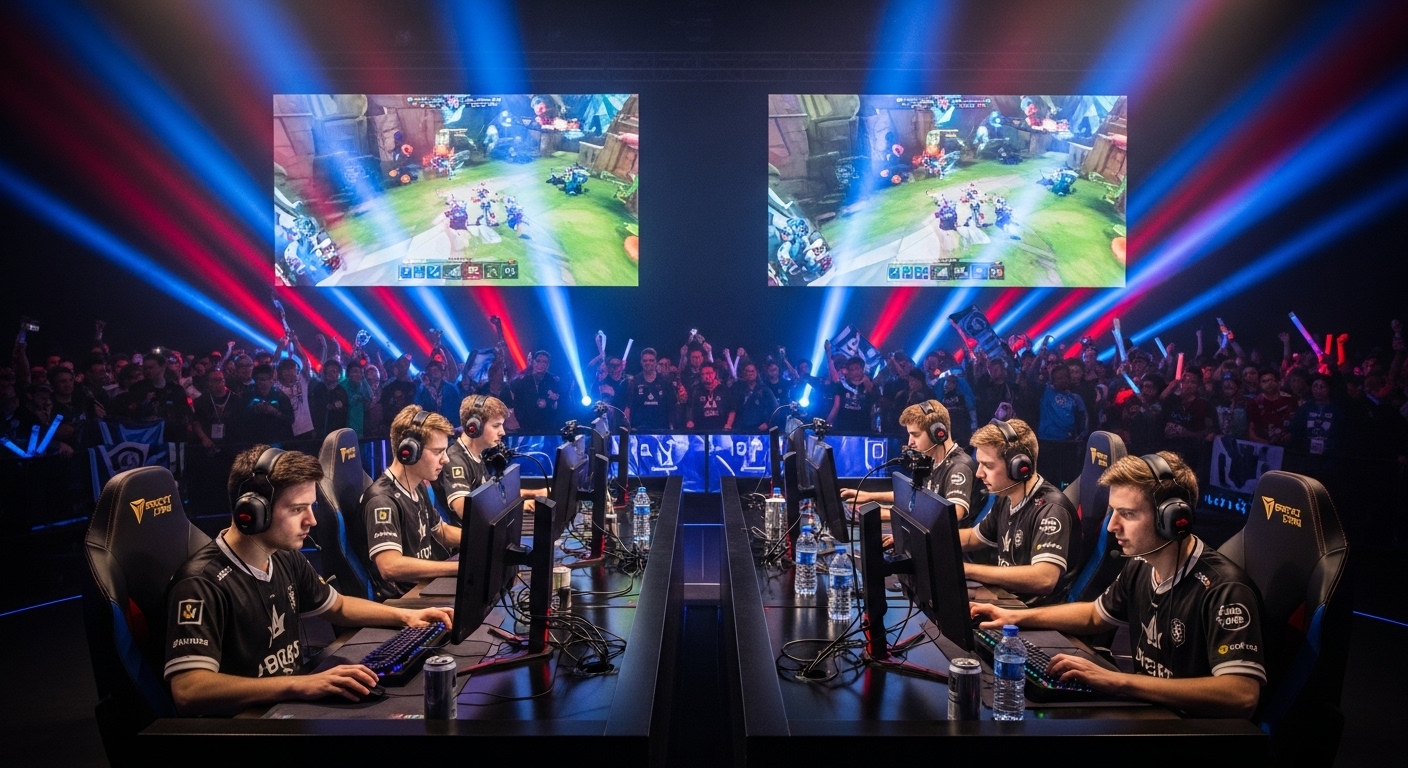
Watching esports is a spectacle in itself. High production values, dynamic commentary, and real-time replays bring excitement similar to traditional sports broadcasts. Large-scale events feature light shows, live audiences, and energetic hosts who make every moment feel electric. The thrill of a last-second play or a comeback victory can rival that of any World Cup or Super Bowl.
What makes esports especially unique is its interactivity. Fans can discuss plays in live chats, vote for favorite teams, and even influence certain aspects of tournaments. The online community aspect creates a sense of belonging among fans worldwide. Whether you’re in Seoul, São Paulo, or San Francisco, you can cheer for your team alongside millions of others in real time.
The Cultural Impact of Esports
Esports has changed how people view gaming. Once dismissed as a pastime or even a distraction, gaming is now celebrated as a legitimate form of skill-based competition. Universities offer scholarships for esports athletes. Governments in several countries recognize esports players as professional athletes. And mainstream media now covers major tournaments alongside traditional sports.
The impact goes beyond competition. Esports has influenced music, fashion, and entertainment. Game soundtracks are performed live by orchestras at tournaments. Fashion brands collaborate with gaming companies to launch esports-inspired clothing. Even Hollywood has embraced gaming culture through movies, documentaries, and TV shows centered around competitive play.
Regional Powerhouses and Global Rivalries
Different regions have carved out their own esports identities. South Korea remains the heartland, particularly in StarCraft and League of Legends. China has risen as a dominant force with massive investment and fan bases that rival traditional sports leagues. Europe boasts powerhouse teams in games like Counter-Strike and Rocket League, while North America continues to grow as a hub for esports startups and franchises.
These regional rivalries add to the drama. When teams from different continents face off in world championships, the national pride and competitive spirit echo the energy of international sports tournaments. The shared language of gaming transcends borders, creating unity among players and fans worldwide.
Esports and Traditional Sports: A New Relationship
The rise of esports has prompted traditional sports organizations to take notice. Many football, basketball, and baseball clubs have launched their own esports divisions, blending physical and digital competition under one brand. This crossover is more than a marketing tactic—it’s a recognition of how audiences are changing.
Younger generations are just as likely to watch a Valorant match as a soccer game. Traditional sports leagues have started using esports as a bridge to connect with tech-savvy fans. Meanwhile, esports borrows elements from traditional sports—league structures, player drafts, and coaching systems—to build legitimacy and sustainability.
The Challenges Facing Esports
Despite its success, esports faces several hurdles. One of the biggest issues is player burnout. The intense training schedules, frequent travel, and pressure to perform can take a toll on mental health. While awareness is growing, the industry still lacks the comprehensive support systems seen in traditional sports.
Regulation is another challenge. Because esports spans multiple countries, establishing consistent rules, contracts, and player protections can be complex. Match-fixing, cheating, and exploitation have surfaced as concerns in various regions. Organizations are now pushing for better governance to maintain integrity and professionalism.
Monetization also remains tricky. While top-tier events generate massive revenue, smaller tournaments and mid-tier players often struggle to sustain themselves financially. Balancing profitability with accessibility will be key to ensuring esports’ long-term growth.
The Educational and Social Value of Esports
Interestingly, esports has found a place in education. Many schools and universities have introduced esports programs to teach teamwork, strategy, and communication. These programs aren’t just about gaming—they incorporate lessons in digital literacy, broadcasting, marketing, and game design.
Beyond academics, esports fosters community. Players learn leadership, collaboration, and problem-solving through team-based competition. Online tournaments give young people a sense of belonging, especially those who may not engage in traditional sports. The inclusivity of esports—regardless of gender, background, or physical ability—makes it one of the most accessible competitive fields in the world.
The Role of Technology in Shaping the Future
Technology is at the core of esports evolution. With faster internet, more powerful hardware, and advanced streaming platforms, the experience continues to improve. Virtual reality (VR) and augmented reality (AR) are beginning to blend digital gameplay with physical immersion. Artificial intelligence (AI) is used for analytics, matchmaking, and performance tracking, allowing players to refine their strategies more efficiently.
Cloud gaming and mobile esports are also expanding access. Games like PUBG Mobile and Mobile Legends have brought competitive gaming to millions who don’t own high-end PCs or consoles. This democratization ensures esports will continue to grow in regions where traditional gaming infrastructure was once limited.
Women in Esports: Breaking Barriers
While esports has historically been male-dominated, more women are stepping into the spotlight as players, commentators, and industry leaders. Female gamers have proven their skill on the biggest stages, and all-women tournaments have gained recognition for promoting inclusivity. Organizations are increasingly addressing harassment and bias, making the environment safer and more welcoming.
Representation matters. When young women see players who look like them succeeding, it inspires the next generation to pursue gaming professionally. The push for equality in esports is still ongoing, but progress is visible and gaining momentum.
Esports as a Cultural Bridge
One of esports’ greatest strengths is its global nature. Players and fans connect across languages and continents, forming friendships and communities that might never have existed otherwise. International tournaments showcase not only talent but also the diversity of gaming culture.
This connectivity has even had diplomatic effects. Nations have used esports events to promote cultural exchange and cooperation. In a world often divided by politics and geography, gaming serves as a universal language—a reminder that competition can unite rather than divide.
The Future of Esports
Looking ahead, esports shows no sign of slowing down. Industry analysts project continued growth in audience size, sponsorship deals, and media coverage. As technology continues to evolve, so will the ways people experience esports—from interactive streaming to virtual reality arenas that replicate the feeling of being courtside at a match.
We may see esports integrated more deeply into education, entertainment, and even the Olympic Games. With better regulation, sustainable player support, and broader inclusivity, the industry could mature into one of the most stable and respected fields of competition in the world.
Conclusion
From its humble beginnings in arcades and basements to sold-out stadiums and international broadcasts, esports has come a long way. It represents more than just gaming—it’s innovation, creativity, and the power of community. Esports has redefined what competition means in the digital age, proving that passion and skill can turn pixels into possibilities.
The next chapter of esports will likely be written by new players, new games, and new technologies. But one thing is certain—the spirit of competition, connection, and shared excitement will continue to drive this incredible global movement forward.