Introduction
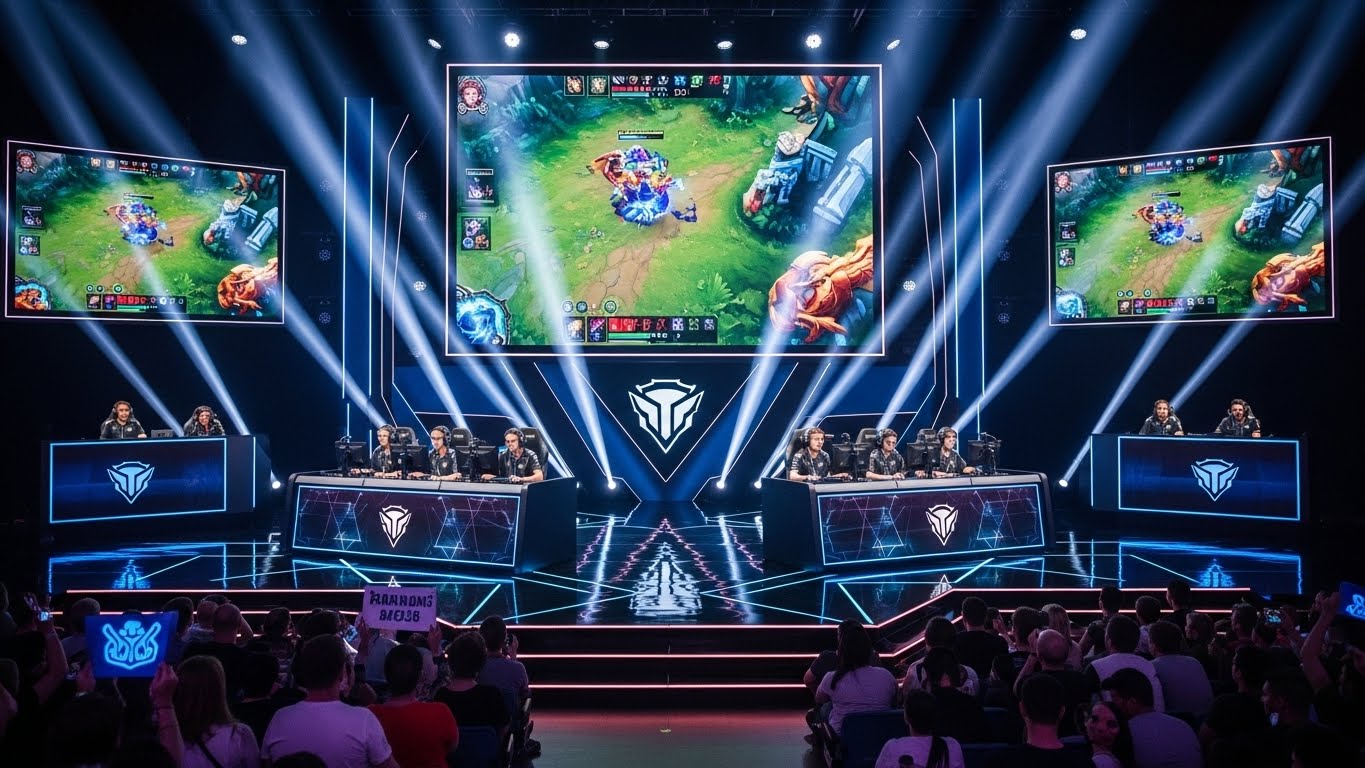
Esports, once considered a niche hobby for a small group of passionate gamers, has evolved into a global phenomenon. Today, professional gaming tournaments fill stadiums, attract millions of viewers online, and offer prize pools that rival traditional sports competitions. The growth of esports is not just about entertainment; it reflects a larger cultural shift where digital experiences, technology, and competitive spirit intersect. This blog explores the evolution, impact, and future of esports, shedding light on why it has become one of the most influential sectors in the entertainment industry.
The Origins of Esports
The concept of competitive gaming dates back to the early 1970s, when games like Pong became popular in arcades. The first known video game competition took place in 1972 at Stanford University, where students competed for a modest prize. Over the years, video game competitions grew in size and scope. By the 1990s, with the rise of games such as Street Fighter and StarCraft, esports began to take a more organized form, with tournaments and leagues forming in multiple countries. These early competitions laid the foundation for the modern esports ecosystem, emphasizing skill, strategy, and teamwork.
The Explosion of Esports Popularity
The popularity of esports skyrocketed in the 2000s with the advent of online gaming and streaming platforms. High-speed internet allowed gamers from different parts of the world to compete in real-time, creating a truly global community. Platforms that broadcast gameplay in real-time enabled fans to watch professional matches from their homes, transforming gaming into a spectator sport. Titles like League of Legends, Dota 2, and Counter-Strike: Global Offensive became household names, with millions of viewers tuning in to watch top players compete. The accessibility and visibility of esports contributed significantly to its exponential growth.
Esports as a Career
What was once a pastime has now become a viable career path for many. Professional esports players, coaches, analysts, and streamers earn significant income through tournament winnings, sponsorships, and brand partnerships. The career span of an esports athlete may be shorter than in traditional sports, but the financial and personal rewards can be substantial. Additionally, esports organizations are structured similarly to traditional sports clubs, offering training facilities, nutrition plans, and mental health support for players. This professionalization has made esports a legitimate industry and a compelling career option for aspiring gamers.
The Role of Technology in Esports
Technology is the backbone of esports. High-performance gaming hardware, low-latency internet, and advanced software ensure that competitions run smoothly and fairly. Streaming technology has also revolutionized the way audiences consume esports content. Innovations like virtual reality, augmented reality, and AI-driven analytics are pushing the boundaries of gameplay and training. Technology does not just support the industry—it actively shapes it, creating new forms of engagement and entertainment that were previously unimaginable.
Esports and the Global Economy
Esports has a substantial economic impact. The industry generates billions of dollars annually through tournament prize pools, advertising, sponsorships, merchandise sales, and media rights. Countries such as South Korea, the United States, and China have embraced esports as part of their cultural exports, investing in infrastructure and talent development. Cities worldwide are hosting large-scale tournaments, driving tourism, and creating job opportunities in areas ranging from event management to marketing. The economic potential of esports continues to attract investors and entrepreneurs, making it one of the fastest-growing sectors in entertainment.
Cultural Impact of Esports
Esports has influenced more than just the economy; it has shaped modern culture. It has challenged traditional notions of sports and entertainment, proving that digital competitions can generate the same level of excitement and community as physical sports. Esports has fostered global communities, connecting people from diverse backgrounds through shared interests. It has also contributed to breaking down gender and cultural stereotypes in gaming, encouraging inclusivity and diversity. The cultural relevance of esports is evident in its presence in media, fashion, and mainstream advertising.
Health and Well-being in Esports
While esports offers numerous opportunities, it also presents unique health challenges. Prolonged gaming sessions can lead to physical strain, including eye fatigue, back pain, and repetitive strain injuries. Mental health is another critical concern, as the competitive nature of esports can contribute to stress, anxiety, and burnout. Many professional organizations now emphasize the importance of health and well-being, providing access to physiotherapists, mental health counselors, and fitness programs. Balancing training with rest and self-care is essential for sustainable careers in esports.
Esports in Education
Esports has begun to make its way into educational institutions. Schools and universities are creating esports programs, offering scholarships and courses related to game design, digital media, and sports management. These programs not only provide students with career opportunities but also teach valuable skills such as teamwork, strategic thinking, and problem-solving. By integrating esports into education, institutions are recognizing gaming as a legitimate field of study and professional development.
The Future of Esports
The future of esports looks incredibly promising. Advancements in technology, growing investment, and increasing mainstream acceptance suggest that esports will continue to expand globally. Virtual reality tournaments, AI-assisted training, and mobile esports are emerging trends that could redefine how competitions are played and watched. Additionally, partnerships with traditional sports leagues, broadcasters, and entertainment companies are likely to enhance the visibility and legitimacy of esports. As the industry matures, it may become an integral part of global culture, influencing not only entertainment but also technology, education, and commerce.
Challenges Facing Esports
Despite its success, esports faces several challenges. Regulatory issues, such as inconsistent rules across countries and leagues, can create confusion and hinder growth. The industry also struggles with issues of player exploitation, lack of mental health support, and inclusivity in certain regions. Ensuring fair play, addressing toxic behavior in online communities, and maintaining player well-being are critical priorities for sustainable growth. By addressing these challenges, esports can continue to thrive as a respected and professional industry.
Conclusion
Esports has transformed from a small hobby into a worldwide phenomenon, blending competition, entertainment, and technology in unprecedented ways. Its growth reflects larger societal changes, including the increasing value placed on digital experiences and global connectivity. While challenges remain, the industry’s potential is immense, offering economic opportunities, cultural significance, and new career paths for millions of people. As esports continues to evolve, it will not only redefine gaming but also shape the future of entertainment, competition, and community on a global scale.