Introduction: The Digital Arena Comes Alive
Esports, or competitive video gaming, has transformed from a niche hobby into a global phenomenon. Once dismissed as a pastime for enthusiasts, esports now commands audiences comparable to traditional sports, attracting millions of viewers, professional players, and investors worldwide. Its growth has been fueled by advancements in technology, online streaming platforms, and a growing recognition of gaming as a legitimate form of competition. Beyond entertainment, esports has become a career pathway, a cultural force, and a catalyst for community building. This blog explores the evolution of esports, its cultural and economic impact, the benefits and challenges associated with competitive gaming, and the future of this rapidly expanding industry.
The Evolution of Esports: From Arcades to Global Stages
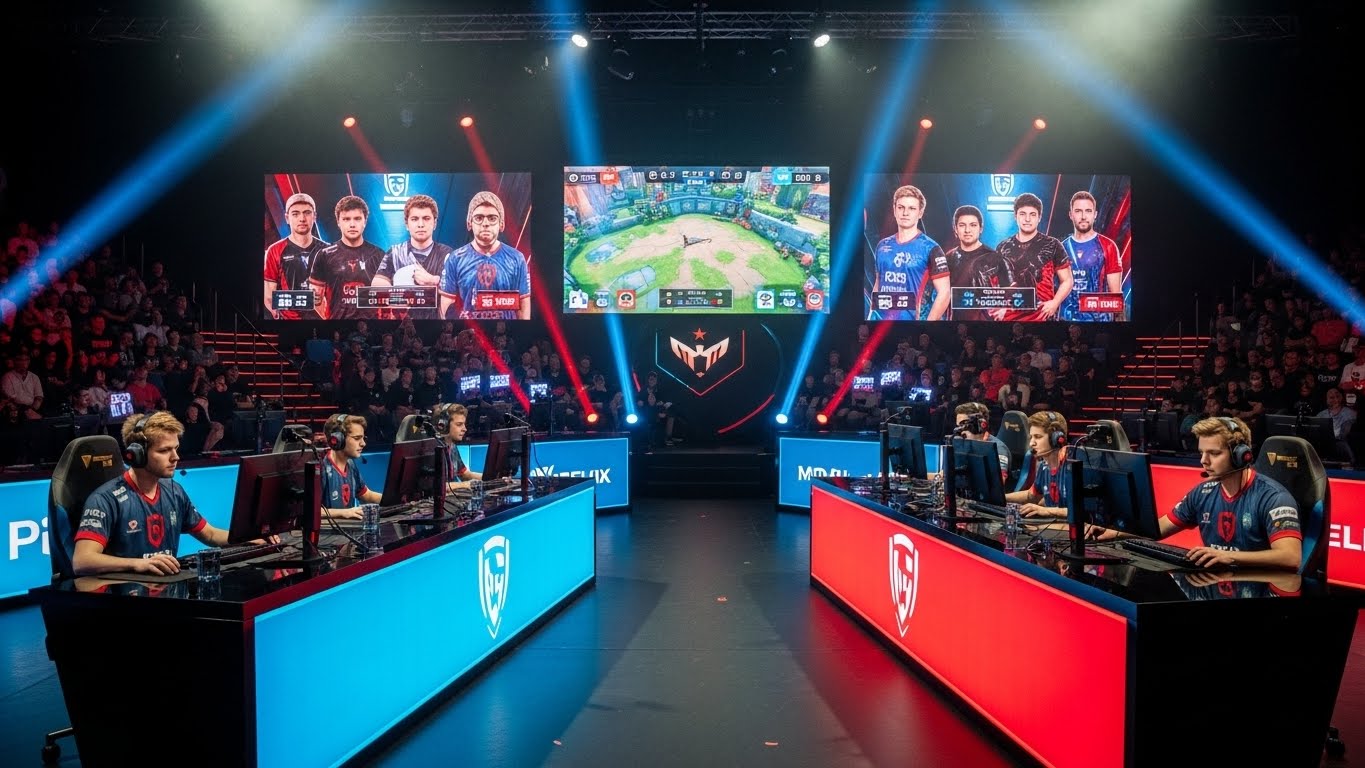
The roots of esports trace back to the early days of video games. In the late 1970s and 1980s, arcade competitions provided gamers with opportunities to showcase their skills. Titles like Pac-Man and Space Invaders laid the foundation for competitive gaming. The 1990s introduced multiplayer PC games, particularly real-time strategy and first-person shooter genres, which enabled online competitions. As internet connectivity improved, tournaments expanded from local events to international competitions. Today, esports spans a vast array of genres, including MOBAs like League of Legends, battle royales such as Fortnite, and traditional sports simulations like FIFA. Major tournaments now fill stadiums and attract global live-stream audiences, signaling esports’ evolution into a highly professionalized industry.
The Esports Ecosystem: Players, Teams, and Organizations
At the heart of esports are its players and teams. Professional gamers dedicate countless hours to honing skills, analyzing strategies, and maintaining peak performance. Just like traditional athletes, they follow rigorous training schedules, participate in scrimmages, and collaborate with coaches to improve gameplay. Teams and organizations provide the infrastructure, including sponsorship, marketing, and management support. Major esports organizations operate similarly to sports clubs, investing in talent development and brand building. The ecosystem also includes event organizers, broadcasters, analysts, content creators, and streaming platforms, all of which contribute to the dynamic and multifaceted nature of esports.
The Economic Impact of Esports
Esports has grown into a multi-billion-dollar industry with significant economic influence. Revenue streams include sponsorship deals, merchandise sales, ticketing for live events, advertising, and broadcasting rights. Brands across industries recognize the potential of esports to reach a younger, tech-savvy demographic, leading to high-profile partnerships and endorsements. Professional players can earn substantial incomes through salaries, tournament winnings, and streaming content creation. Beyond players and teams, esports events stimulate local economies, attracting tourism and creating jobs in event management, hospitality, and media. The economic impact of esports underscores its legitimacy and continued expansion in the entertainment and sports sectors.
The Role of Streaming and Digital Platforms
Streaming platforms have been instrumental in esports’ rise. Services such as live streaming and video-on-demand allow fans to watch tournaments in real-time, engage with players, and participate in online communities. Platforms provide analytics, chat features, and interactive experiences, enhancing fan engagement and creating a sense of shared participation. Content creation extends beyond live events, with highlights, tutorials, and behind-the-scenes videos cultivating a global audience. Streaming has also democratized the industry, allowing aspiring gamers to build personal brands and reach international audiences without traditional sponsorships or teams. This digital infrastructure is a cornerstone of esports’ growth and accessibility.
The Cultural Significance of Esports
Esports is more than just a competition; it is a cultural movement that bridges communities worldwide. Gaming conventions, tournaments, and online forums foster social interaction and shared interests among diverse audiences. Esports has influenced music, fashion, and lifestyle, creating unique subcultures and fan communities. It provides a platform for creative expression through game customization, fan art, and streaming content. Additionally, esports has challenged traditional notions of sports and athleticism, highlighting the value of strategy, coordination, and reflexes in a digital context. The cultural impact of esports reflects its role in shaping modern entertainment, youth identity, and global connectivity.
Educational and Skill Development Benefits
Participation in esports offers numerous cognitive and educational benefits. Competitive gaming enhances problem-solving, strategic thinking, hand-eye coordination, and multitasking abilities. Players must analyze complex scenarios, make quick decisions, and adapt to evolving situations, skills that are transferable to real-world contexts. Esports has also found its way into educational institutions, with colleges and universities offering esports programs, scholarships, and courses in game design, management, and digital media. These programs equip students with technical knowledge, teamwork experience, and career readiness in an increasingly digital economy. Beyond technical skills, esports fosters soft skills such as communication, leadership, and resilience.
Health and Well-being in Esports
While esports offers numerous benefits, it also presents health challenges that must be addressed. Extended hours of gameplay can lead to physical strain, including eye fatigue, repetitive strain injuries, and poor posture. Mental health is equally important, as professional players face stress, burnout, and performance pressure. Many organizations now emphasize holistic wellness, incorporating fitness routines, nutrition guidance, and psychological support into training programs. Responsible gaming practices, including scheduled breaks, ergonomic setups, and balanced lifestyles, are critical for maintaining long-term health and sustainable careers in esports.
Esports as a Career Path
Esports provides diverse career opportunities beyond professional gaming. Roles in event management, marketing, content creation, broadcasting, coaching, game development, and analytics offer pathways for individuals interested in joining the industry. The growth of esports academies and training programs enables aspiring players and professionals to gain skills and industry knowledge. Career prospects in esports continue to expand as the industry matures, attracting talent from traditional sports, media, and technology sectors. The professionalization of esports has created viable, long-term career options, emphasizing the value of dedication, skill, and strategic thinking in the digital age.
Challenges and Controversies in Esports
Despite its rapid growth, esports faces several challenges and controversies. Issues such as cheating, toxicity, and online harassment can undermine the competitive environment. Prize money distribution and contract disputes have raised ethical questions about player treatment and organizational responsibility. The pressure of constant competition can also impact mental health, highlighting the need for support systems and regulatory frameworks. Additionally, the balance between commercialization and maintaining authentic community engagement is an ongoing challenge. Addressing these issues requires collaboration between players, organizations, regulators, and platforms to ensure esports remains fair, inclusive, and sustainable.
The Future of Esports
The future of esports is bright, with numerous opportunities for growth, innovation, and global recognition. Advancements in virtual reality, augmented reality, and artificial intelligence promise new ways to play, spectate, and interact with games. Global expansion into emerging markets is increasing access to competitive gaming and cultivating diverse talent pools. Esports is likely to continue merging with traditional sports, entertainment, and media industries, further blurring the lines between physical and digital competition. As technology evolves and societal acceptance grows, esports has the potential to become a mainstream cultural and economic force with lasting impact.
Conclusion: Esports as a Modern Phenomenon
Esports has grown from small gaming competitions to a global cultural and economic powerhouse. It has redefined competition, created new career paths, and influenced popular culture while fostering communities worldwide. With its combination of skill, strategy, and entertainment, esports challenges traditional notions of sports and highlights the potential of digital platforms in shaping human experiences. As the industry continues to mature, addressing health, ethical, and accessibility challenges will be critical for sustainable growth. Ultimately, esports represents a new era of competition and collaboration in the digital age, offering limitless possibilities for players, fans, and innovators alike.