Esports has grown from a niche pastime into a multi-billion-dollar industry. As technology continues to evolve, so does the passion and competition in gaming. What was once limited to local tournaments and basement LAN parties has transformed into a global phenomenon, attracting millions of viewers and transforming gamers into celebrities. In this blog post, we will delve into the rise of esports, exploring its history, current landscape, and what the future holds for this digital revolution.
The Birth of Esports: A Journey from LAN Parties to Global Arenas
Esports traces its origins back to the early days of video gaming, when players would gather for local-area network (LAN) parties, competing in games like Quake and StarCraft. The first significant moment in competitive gaming came in 1997 with the establishment of the Red Annihilation tournament, which saw gamers from around the world gather for a Quake competition. This marked the first real glimpse of what would become a global phenomenon.
Over the next few years, more competitions began to crop up, but it wasn’t until the early 2000s, with games like Warcraft III and Counter-Strike, that the foundations of modern esports were truly laid. By 2010, major tournaments like The International (Dota 2) and League of Legends World Championship started garnering significant attention, attracting global audiences and sponsorships from tech giants, brands, and even traditional sports organizations.
The Esports Industry Today: A Thriving Ecosystem
Today, esports is not just about playing games; it’s an entire ecosystem. Professional players, coaches, analysts, streamers, and content creators make up the diverse workforce of the esports industry. Competitive gaming is no longer confined to tournament arenas but spans across streaming platforms, social media, merchandise sales, sponsorship deals, and more.
The big names in esports such as League of Legends, Dota 2, Counter-Strike: Global Offensive, and Overwatch have established a competitive infrastructure that mirrors traditional sports leagues. Teams, coaches, and analysts work tirelessly to refine strategies, build rosters, and train players for high-stakes tournaments.
Esports organizations like Cloud9, Team Liquid, and Fnatic are household names, and they command millions in sponsorships, media rights, and advertising revenue. These organizations also provide platforms for other esports titles to rise to prominence, including Fortnite, Valorant, and Apex Legends.
Streaming platforms like Twitch and YouTube Gaming have become central to the esports world, allowing fans to watch live competitions, learn from their favorite players, and interact in real-time. Gamers who have excelled at streaming, such as Ninja and Shroud, have turned their gaming talents into full-time careers, often crossing over into traditional media and entertainment.
The Appeal of Esports: Why It’s So Popular
Esports’ rapid rise can be attributed to several key factors that appeal to a broad audience.
1. Accessibility
Unlike traditional sports, which require physical space, equipment, and a team, esports can be played by anyone with a computer or console and an internet connection. This creates a barrier-free environment for millions of players worldwide to participate, regardless of location.
2. Community and Social Interaction
One of the strongest aspects of esports is the sense of community. Whether through online platforms, streaming services, or social media groups, fans and players form tight-knit communities centered around their favorite games and teams. These communities share strategies, celebrate victories, and engage in discussions, adding a level of camaraderie that extends beyond the gaming itself.
3. Thrill of Competition
Esports provides an intense competitive experience that mirrors traditional sports. The stakes are high, the rivalries are fierce, and the games themselves require high levels of skill and strategic thinking. Players constantly strive to improve, and watching these highly skilled individuals battle it out on the big stage is incredibly thrilling for audiences.
4. Spectator Experience
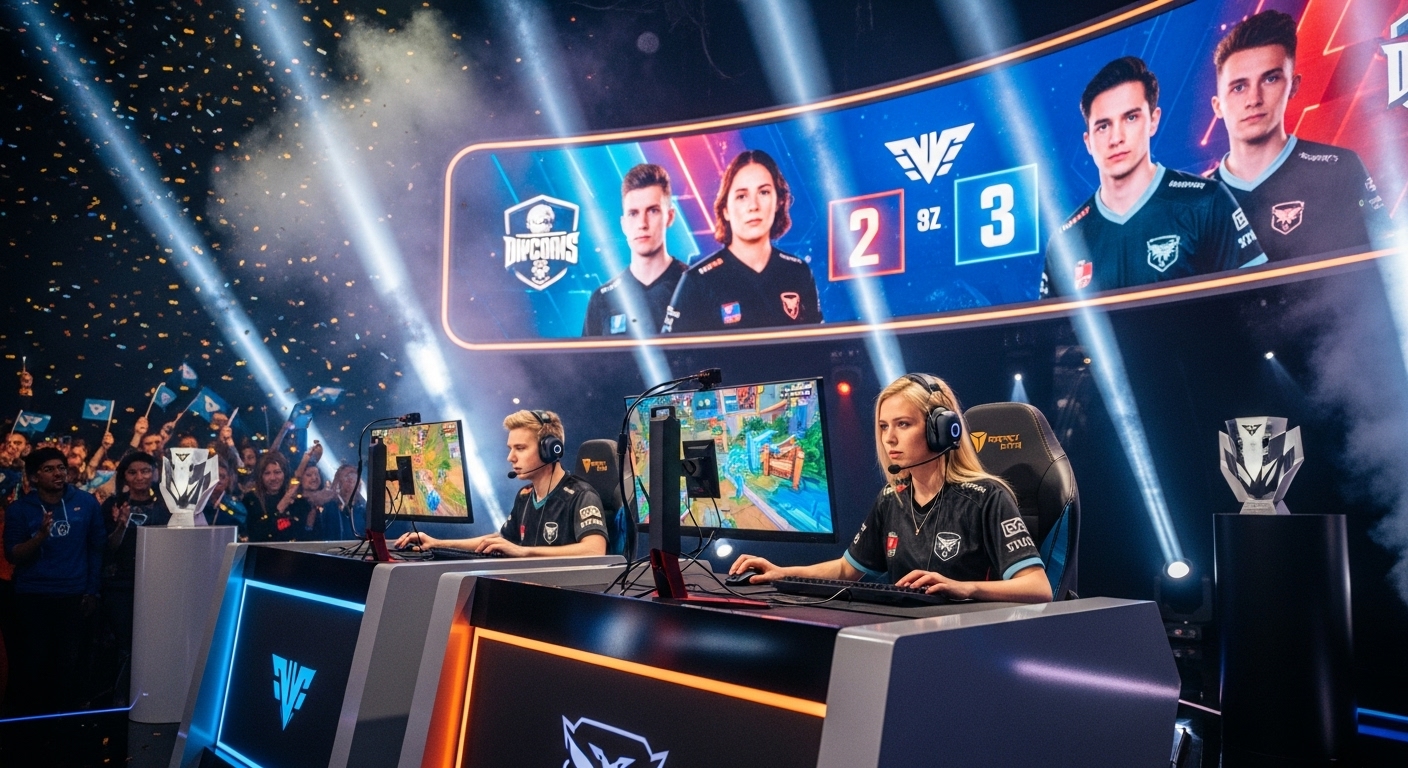
Esports is not just about playing but also about watching. Large-scale tournaments are broadcasted to millions of viewers across the world. With live commentary, player interviews, and post-match analyses, esports events are designed to captivate audiences. The rise of dedicated esports arenas, similar to traditional sports stadiums, further enhances the viewing experience, creating a physical and digital space for fans to experience the action firsthand.
Esports and Traditional Sports: A Changing Landscape
One of the most exciting developments in the esports industry is its growing relationship with traditional sports. From sponsorship deals to crossover athletes, esports is becoming increasingly intertwined with conventional sports. Major sports franchises like the New England Patriots and Manchester City have invested in esports teams, and athletes from traditional sports have begun to venture into the esports world, either as investors or as players themselves.
The fusion of esports and traditional sports has led to the creation of esports leagues that mimic traditional sporting events. For example, the Overwatch League and the League of Legends Championship Series operate similarly to professional sports leagues like the NFL or NBA. This has allowed esports to gain legitimacy and recognition, further blurring the lines between gaming and traditional competition.
The Future of Esports: Growth, Innovation, and Global Expansion
The future of esports looks incredibly promising. As technology continues to evolve, so too will the experiences offered to players and fans. The rise of virtual reality (VR) and augmented reality (AR) could revolutionize how games are played and viewed, bringing immersive experiences that push the boundaries of what we currently know.
In addition, mobile gaming is expected to play an increasingly important role in the future of esports. With games like PUBG Mobile and Free Fire already dominating the mobile esports scene, the accessibility of smartphones makes esports even more accessible to a global audience. This will likely lead to new competitions, particularly in regions where console gaming has yet to take hold.
Esports will also continue to expand into untapped markets. Countries in Southeast Asia, Latin America, and Africa are beginning to emerge as esports hubs, creating new opportunities for players, teams, and tournaments. The global nature of the esports industry means that no region is too far behind to participate in the action.
Conclusion: A New Era of Digital Entertainment
Esports is no longer just a niche interest; it’s a massive, booming industry that attracts millions of players and fans worldwide. What started as a simple hobby for a few passionate gamers has transformed into a global competitive platform that mirrors the traditional sports world. With its accessibility, sense of community, and high-stakes competition, esports is here to stay.
As the industry continues to grow, it will bring about new innovations in gaming, viewing experiences, and player engagement. The future of esports holds limitless potential, and we are only at the beginning of this exciting journey. Whether you’re a gamer, a fan, or just someone interested in the latest trends in entertainment, esports offers a thrilling look at what the future of competition and digital sports can be.