Introduction: The Rise of Esports
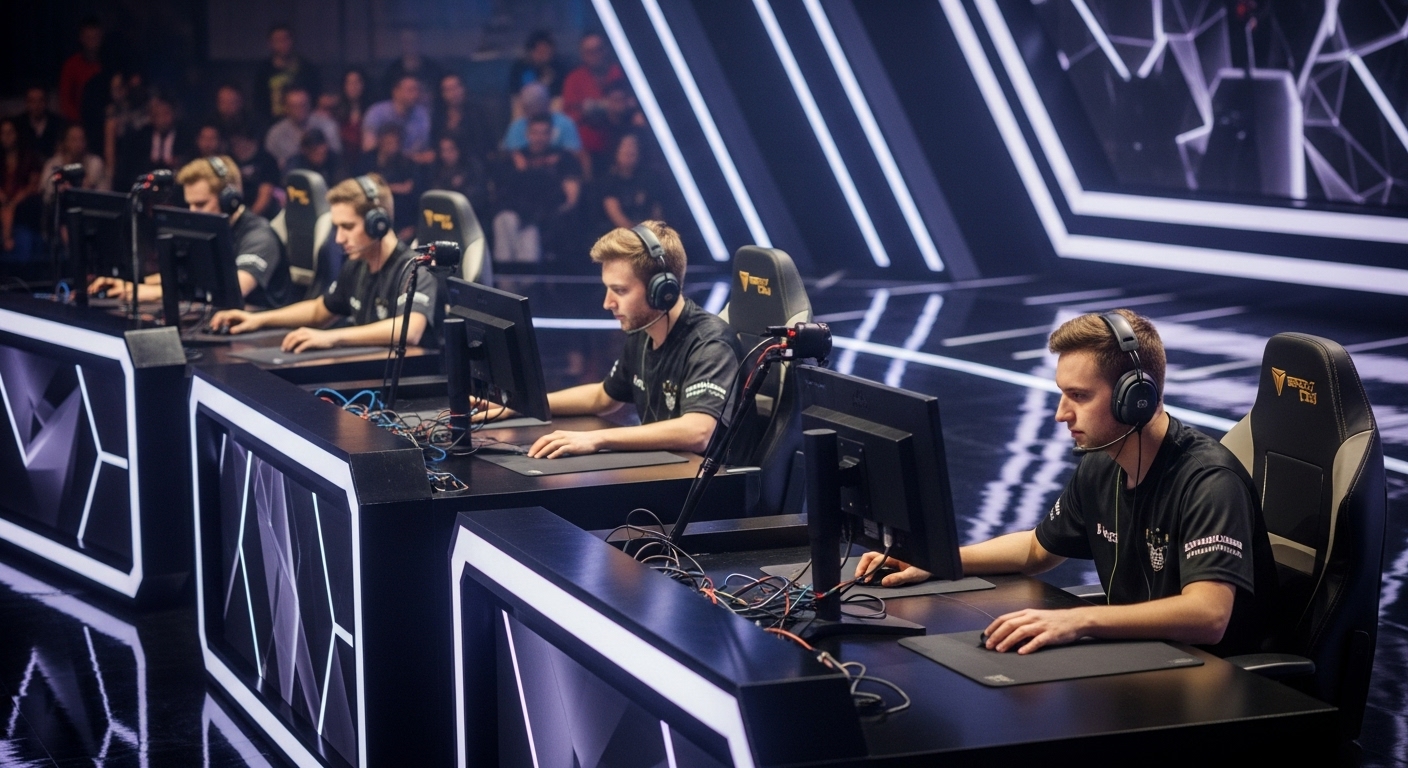
In recent years, the term “esports” has transformed from a niche concept into a global phenomenon. Competitive gaming has grown beyond casual entertainment, evolving into a structured, professional industry with millions of players and fans worldwide. What began as informal competitions among friends in basements and internet cafés has grown into stadium-filling events, lucrative sponsorships, and professional teams that rival traditional sports in organization and fan following. Esports is now a testament to how digital technology reshapes competition, entertainment, and even culture.
The Origins of Competitive Gaming
The seeds of esports were planted in the early 1980s with arcade tournaments featuring games like Pac-Man, Space Invaders, and Donkey Kong. While these early competitions were small-scale, they demonstrated that gaming could inspire rivalry and skill-based contests. In the 1990s, PC games such as Doom, Quake, and StarCraft brought competitive gaming into the digital age. LAN (Local Area Network) parties allowed players to connect computers and compete in real time, creating a sense of community and camaraderie. These early stages laid the foundation for esports as a structured and organized form of competition.
The Expansion of Esports in the 2000s
The advent of broadband internet dramatically changed the esports landscape. Online multiplayer games allowed players from different parts of the world to compete simultaneously, and countries like South Korea became pioneers in building professional esports leagues. StarCraft competitions in South Korea drew national television audiences, and players became celebrities with massive followings. Western countries soon followed, embracing games like Counter-Strike, Halo, and Warcraft III, leading to international tournaments and the birth of globally recognized esports teams.
The Streaming Revolution and Audience Growth
One of the most significant factors driving esports to mainstream popularity has been streaming technology. Platforms like Twitch enabled players to broadcast matches to millions of viewers worldwide, turning professional gamers into celebrities. Fans no longer needed to attend physical events to watch competitions; live streams brought the excitement of esports directly into homes. Social media amplified this trend, allowing players to connect with fans and build personal brands, while tournaments such as League of Legends World Championship and Dota 2’s The International drew massive global audiences.
Professionalization of Players and Teams
Esports has evolved into a highly professionalized ecosystem. Players often train eight to twelve hours a day, honing their reflexes, strategies, and communication skills. Teams employ coaches, analysts, and psychologists to optimize performance, reflecting the same level of professionalism seen in traditional sports. Organizations such as T1, Fnatic, and Cloud9 not only compete across multiple games but also manage merchandising, sponsorships, and fan engagement. Professional players now earn salaries, bonuses, and endorsement deals, demonstrating that esports has matured into a viable career path.
The Cultural Impact of Esports
Esports has influenced culture on a global scale. For younger generations, it represents a legitimate career opportunity and a source of entertainment. Gaming is no longer seen as a hobby confined to bedrooms; it is celebrated as a form of skill, strategy, and creativity. Educational institutions have recognized this shift, offering scholarships and degrees in esports management, game design, and digital media. Furthermore, esports fosters diversity and inclusion by providing a platform where players from different backgrounds can compete on equal footing, breaking down traditional barriers of geography, language, and social status.
Technological Innovations Driving Esports
The growth of esports relies heavily on technological advancements. High-speed internet, advanced gaming hardware, virtual reality, and cloud gaming have made competitive play more accessible and immersive. Real-time streaming technology allows fans to watch competitions with minimal latency, while AI and data analytics help players and teams refine their strategies. The continuous evolution of technology ensures that esports remains dynamic and engaging, attracting new audiences and expanding its possibilities beyond traditional gaming experiences.
Educational Opportunities and Skill Development
Esports is more than entertainment; it provides educational and professional opportunities. Universities around the world now have varsity esports teams, training facilities, and academic programs dedicated to the business and technology of competitive gaming. Students gain valuable skills such as strategic thinking, leadership, communication, and teamwork. These skills are transferable to other industries, highlighting how esports not only cultivates gaming talent but also prepares individuals for careers in business, technology, and media.
The Economics of Esports
Esports has become a billion-dollar industry with multiple revenue streams. Sponsorships, media rights, merchandise sales, and event ticketing contribute to its economic impact. Major brands invest heavily in esports to reach younger audiences who consume digital content more than traditional media. The financial success of the industry has also created opportunities for entrepreneurs, event organizers, and marketers. Independent tournaments, content creation, and fan engagement campaigns are all thriving sectors within the esports ecosystem.
Challenges Facing the Esports Industry
Despite its rapid growth, esports faces challenges. Player burnout and mental health issues are common due to long practice hours and high-pressure competition. Cheating, match-fixing, and regulatory inconsistencies threaten the integrity of the industry. Additionally, esports’ dependence on specific game titles means that a sudden decline in a game’s popularity can destabilize entire competitive ecosystems. Addressing these challenges is critical to sustaining growth and ensuring that esports continues to be recognized as a legitimate, professional pursuit.
Global Recognition and International Competitions
Esports is increasingly gaining recognition on the global stage. Several countries now officially recognize esports as a sport, and it has been included in events such as the Asian Games. International competitions draw players and fans from across the globe, creating a sense of global community and shared experience. Governments are investing in esports infrastructure, training programs, and tournaments, acknowledging its potential economic, cultural, and technological impact.
The Future of Esports
The future of esports promises continued innovation and expansion. Mobile gaming is rising as a major competitive platform, particularly in regions where smartphones are more accessible than PCs or consoles. Virtual reality and augmented reality may introduce new forms of immersive competition. Crossovers with entertainment, fashion, and music are already happening, transforming esports events into cultural spectacles. As technology evolves and audiences grow, esports is poised to become a defining form of competition and entertainment for the digital age.
Conclusion: Beyond Traditional Competition
Esports is more than just playing games; it is a reflection of human skill, creativity, and perseverance in the digital era. From small gaming gatherings to stadiums filled with cheering fans, it represents the potential of technology to create new forms of competition and community. The growth of esports demonstrates that talent and dedication know no boundaries—whether in physical arenas or virtual landscapes. As the industry continues to expand, esports will remain a symbol of how innovation and passion can redefine what it means to compete, connect, and succeed in the modern world.