
Sports are more than just physical activity; they are a reflection of human ambition, culture, and resilience. From local playgrounds to global arenas, sports have the power to bring people together, shape character, and inspire communities. Across centuries, sports have evolved from basic competitions into a multi-billion-dollar industry, influencing society in ways far beyond the games themselves. This blog explores the profound impact of sports on individuals, communities, and the world at large.
The Universal Appeal of Sports
Sports have a unique way of transcending cultural, linguistic, and geographic boundaries. Whether it is soccer in Brazil, cricket in India, basketball in the United States, or running in Kenya, sports resonate universally. Their appeal lies in simplicity, excitement, and the thrill of competition.
Sports provide both participants and spectators with emotional experiences. The joy of victory, the tension of close contests, and the lessons of defeat create memorable moments that resonate for a lifetime. Unlike many forms of entertainment, sports are interactive, inviting engagement both physically and emotionally.
A Brief History of Sports
Sports have ancient roots, with organized competitions dating back thousands of years. Ancient civilizations in Greece, Egypt, China, and the Americas used athletic contests as a way to showcase skill, honor traditions, and celebrate physical prowess. The Olympic Games of ancient Greece were not only sporting events but also social and cultural gatherings.
Over centuries, sports have evolved, incorporating structured rules, formal competitions, and professional leagues. The industrial revolution enabled the rise of stadiums, sports clubs, and national tournaments, transforming sports into a global cultural phenomenon. Today, sports continue to evolve, integrating modern technology, new rules, and international competitions.
The Role of Sports in Physical Health
Physical activity is at the core of sports, offering significant health benefits. Engaging in sports strengthens the heart, muscles, and bones, improves flexibility and coordination, and enhances overall fitness. Regular participation reduces the risk of chronic illnesses, such as obesity, diabetes, and heart disease.
Different sports provide distinct benefits. Swimming builds endurance and full-body strength, football enhances cardiovascular health and teamwork skills, and yoga improves balance and flexibility. For children, sports instill lifelong healthy habits, setting a foundation for a physically active future.
Mental Benefits of Sports
Sports also have profound effects on mental health. Athletes develop focus, discipline, and resilience through practice and competition. Facing challenges, overcoming setbacks, and striving for improvement build confidence and mental toughness.
Regular participation in sports reduces stress and anxiety by releasing endorphins, boosting mood, and promoting relaxation. Team-based sports also enhance social and emotional intelligence, teaching communication, empathy, and collaboration. In both professional and amateur settings, sports cultivate a growth mindset that benefits other aspects of life.
Teamwork and Social Connection
One of the defining features of sports is their ability to foster teamwork and social connection. Athletes must communicate effectively, strategize, and support one another to achieve collective goals. This experience translates to stronger interpersonal skills and collaborative abilities in everyday life.
Sports also unite communities. Local leagues, school competitions, and international events bring people together, creating shared experiences and collective pride. Fans gather to cheer for teams, celebrate victories, and connect with others who share their passion, building a sense of belonging and community cohesion.
Sports and Cultural Identity
Sports often serve as a reflection of cultural identity. National teams, traditional games, and local sports foster pride and celebrate heritage. International tournaments showcase cultural diversity, encouraging respect, and understanding among participants and fans.
In many societies, sports have become an integral part of rituals, celebrations, and national identity. Whether it is a football match uniting an entire city or a traditional festival featuring indigenous games, sports symbolize collective values and shared history.
The Globalization of Sports
The globalization of sports has transformed them into worldwide phenomena. International competitions, such as the FIFA World Cup, the Olympic Games, and the Cricket World Cup, attract billions of viewers across continents. Sports transcends borders, creating shared experiences for audiences around the globe.
Globalization has also increased accessibility. Fans can watch live broadcasts, follow social media updates, and engage with international communities. This interconnectedness has expanded the influence of sports, making them cultural and economic forces on a global scale.
Sports and Technology
Technology has revolutionized the way sports are played, watched, and analyzed. Wearable devices monitor athlete performance, while video analysis and data analytics enhance strategy and decision-making. High-definition broadcasts, instant replays, and digital platforms have elevated the spectator experience.
Virtual reality and augmented reality offer immersive experiences for fans and athletes alike. Advanced training equipment allows athletes to improve with precision, while online platforms enable global competitions and virtual fan engagement. Technology ensures that sports continue to evolve, remain competitive, and engage wider audiences.
Gender Equality in Sports
Gender equality in sports has improved significantly in recent years. More women are participating in professional sports, coaching roles, and administrative positions. Women’s leagues and tournaments have gained recognition, inspiring future generations of athletes.
Despite progress, challenges remain, including pay disparities, limited media coverage, and unequal access to facilities. Promoting inclusivity and fairness in sports is essential to create an environment where talent, skill, and dedication are recognized equally.
The Business of Sports
Sports have grown into a major economic sector. Revenue is generated through ticket sales, merchandise, broadcasting rights, sponsorships, and advertising. Professional teams operate as brands, creating opportunities for partnerships, endorsements, and marketing campaigns.
The business side of sports extends beyond athletes. Coaches, analysts, event managers, broadcasters, marketers, and physiotherapists all contribute to the industry. Sports tourism and live events stimulate local economies, highlighting the economic significance of the sporting world.
Sports Education and Youth Development
Sports play a vital role in youth development. School programs, community leagues, and youth academies use sports to teach discipline, teamwork, perseverance, and leadership. Young athletes develop confidence, social skills, and a sense of responsibility through structured participation.
Educational institutions also provide scholarships and training opportunities, allowing talented individuals to pursue both academic and athletic excellence. Sports help shape well-rounded individuals prepared for challenges in all areas of life.
Challenges Facing Modern Sports
Despite their many benefits, sports face challenges. Doping, corruption, commercialization, and unfair competition threaten integrity. Athlete injuries, mental health issues, and the pressures of professional play require attention and proper management.
Addressing these challenges requires regulation, education, and innovation. Promoting fair play, athlete safety, inclusivity, and ethical standards is crucial for the long-term sustainability of sports.
The Future of Sports
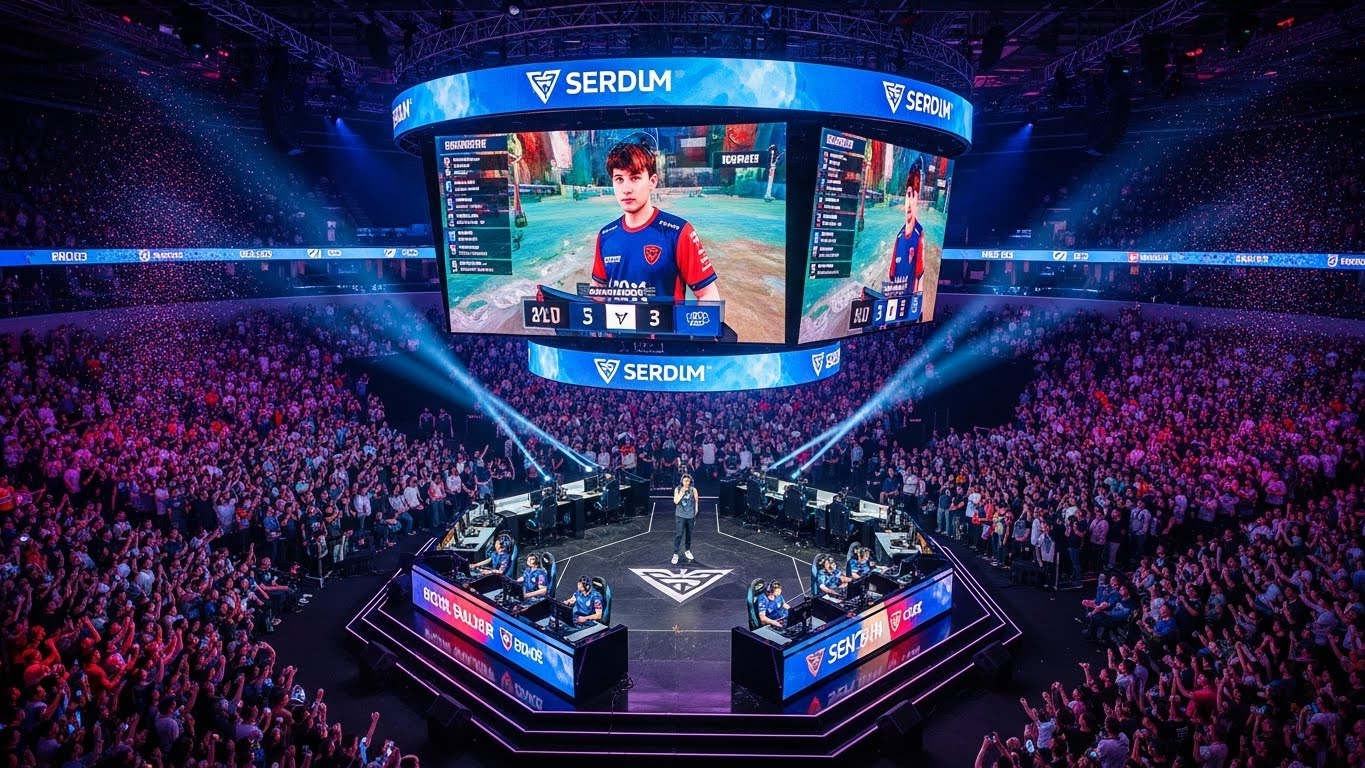
The future of sports is bright and dynamic. Emerging technologies, global connectivity, and evolving cultural trends will continue to shape the industry. Hybrid sports, esports integration, and digitally enhanced experiences may redefine participation and engagement.
Sports will continue to inspire, unite, and challenge individuals while fostering community and cultural pride. They will remain a central aspect of human life, promoting health, education, and social cohesion across generations.
Conclusion
Sports are far more than games. They are tools for physical fitness, mental development, social connection, and cultural expression. From ancient traditions to modern global competitions, sports have evolved into a powerful force shaping societies, inspiring individuals, and bringing people together.
Whether as a player, fan, or professional, sports provide opportunities to learn, grow, and connect. They teach resilience, teamwork, discipline, and perseverance. They entertain, motivate, and unite communities. Sports remind us of the human potential for greatness, creativity, and collaboration.
Ultimately, sports are not just about winning or losing; they are about participation, passion, and the shared experiences that make life richer and more meaningful. Their influence will continue to expand, inspiring future generations to embrace the values, excitement, and joy that sports bring to the world.