Introduction: The Rise of Digital Competition
In just a few decades, competitive video gaming—better known as esports—has evolved from local arcade showdowns to international tournaments watched by millions. No longer a niche subculture, esports has cemented its place in the world of entertainment, business, and even education. This transformation is not just about games; it’s about how technology, youth culture, and global connectivity created a new era of sports.
The Evolution from Basement to Arena
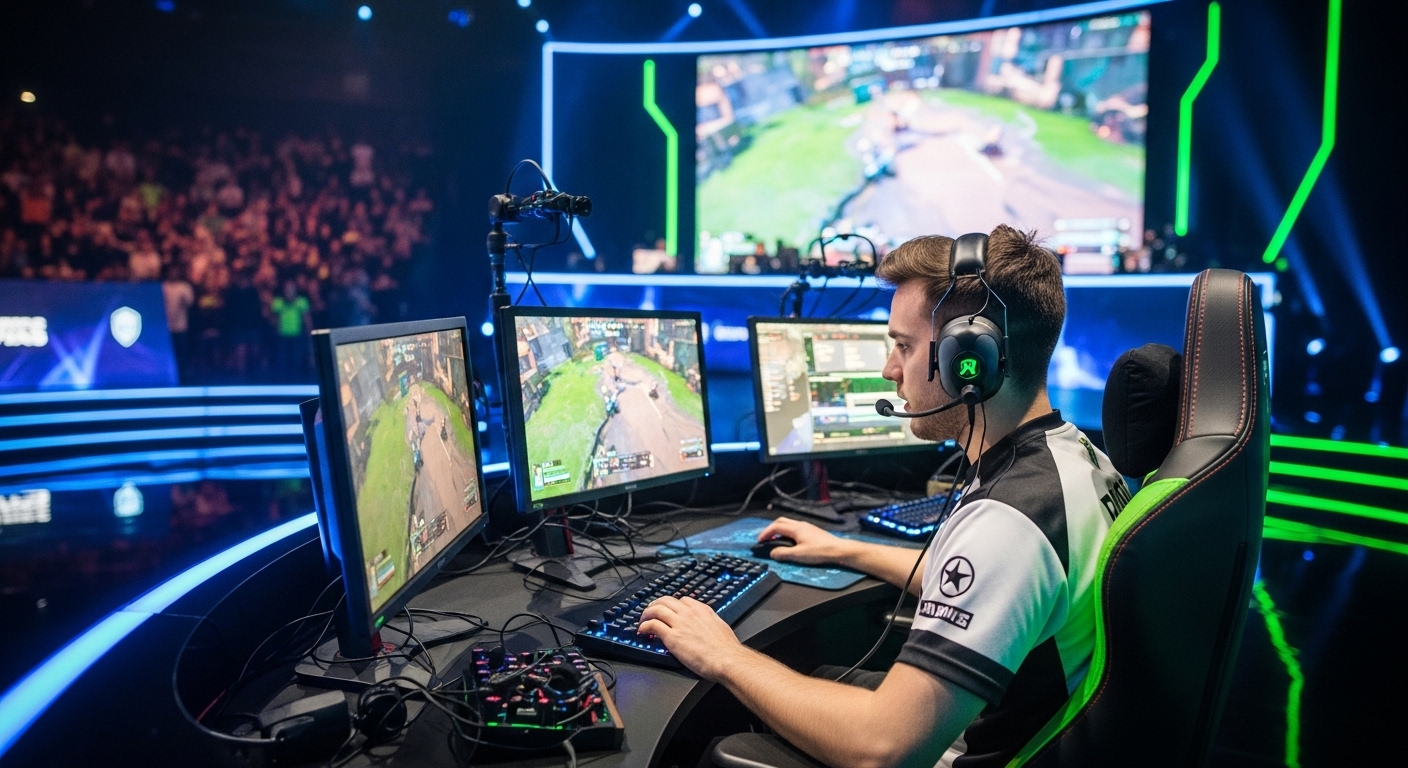
Esports had humble beginnings. In the 1980s and 1990s, competitions were held in college dorm rooms or small gaming shops. As internet speeds improved and games became more complex, online multiplayer titles like StarCraft, Counter-Strike, and later League of Legends and Dota 2 started building competitive communities. The shift from casual to professional was gradual but powerful. Today, stadiums fill up with fans watching teams battle it out in digital arenas, while millions more tune in from home.
Not Just Games—A Professional Sport
Esports athletes train just like traditional sports players. They follow strict schedules, undergo coaching, and even practice mental conditioning. Major esports teams have nutritionists, psychologists, and analysts. Prize pools have reached tens of millions of dollars, with some individual players earning celebrity status and lucrative sponsorship deals. Esports now rivals traditional sports in terms of production value, fan engagement, and even drama.
Esports and the Business Boom
The business side of esports is booming. Major brands like Nike, Red Bull, and Intel have invested heavily in tournaments and teams. Streaming platforms have made it easy for fans to watch live games, creating a 24/7 content cycle. Merchandise, advertising, franchise leagues, and media rights all contribute to a billion-dollar industry. Cities now bid to host major events, knowing that esports tourism can bring in huge revenue.
The Role of Community and Culture
What sets esports apart is its deeply rooted community culture. Fans don’t just watch—they interact, create content, and form lasting online relationships. From memes to in-game cosmetics, the culture is shaped by the audience as much as the developers. Social media and streaming platforms have allowed fans and players to connect directly, breaking the barrier between celebrity and community.
The Future of Esports: More Than a Game
Looking ahead, esports is poised to grow even further. Educational institutions are offering esports scholarships and degrees in gaming-related fields. Countries are recognizing esports players as professional athletes. With the rise of virtual reality and metaverse technologies, the very definition of “sports” is expanding. Esports is not just the future of entertainment—it may be the future of sport itself.
Conclusion: Esports Has Arrived
Esports has shattered expectations and broken records, proving it’s not just a passing trend. It’s a dynamic, global movement that blends competition, technology, and culture in ways no other sport can. As it continues to evolve, one thing is clear: esports is here to stay, and it’s only just getting started.