Esports, or electronic sports, has transformed the world of gaming into a professional, highly competitive, and rapidly growing industry. What began as casual online gaming has evolved into a global phenomenon, attracting millions of players and viewers, generating massive revenue, and even influencing mainstream culture. Esports is not merely entertainment; it is a complex ecosystem that blends technology, skill, strategy, and community in ways that traditional sports are only beginning to mirror. This blog explores the rise of esports, its impact on society, the professional opportunities it offers, and its future potential.
The Rise of Esports
Esports has roots in the early days of arcade and console gaming. Tournaments for games like Pac-Man and Street Fighter in the 1980s and 1990s laid the groundwork for competitive gaming. However, it was the rise of the internet and multiplayer online games in the 2000s that truly propelled esports into a global phenomenon. Games such as StarCraft, Counter-Strike, and League of Legends popularized competitive play, leading to organized leagues, tournaments, and professional teams.
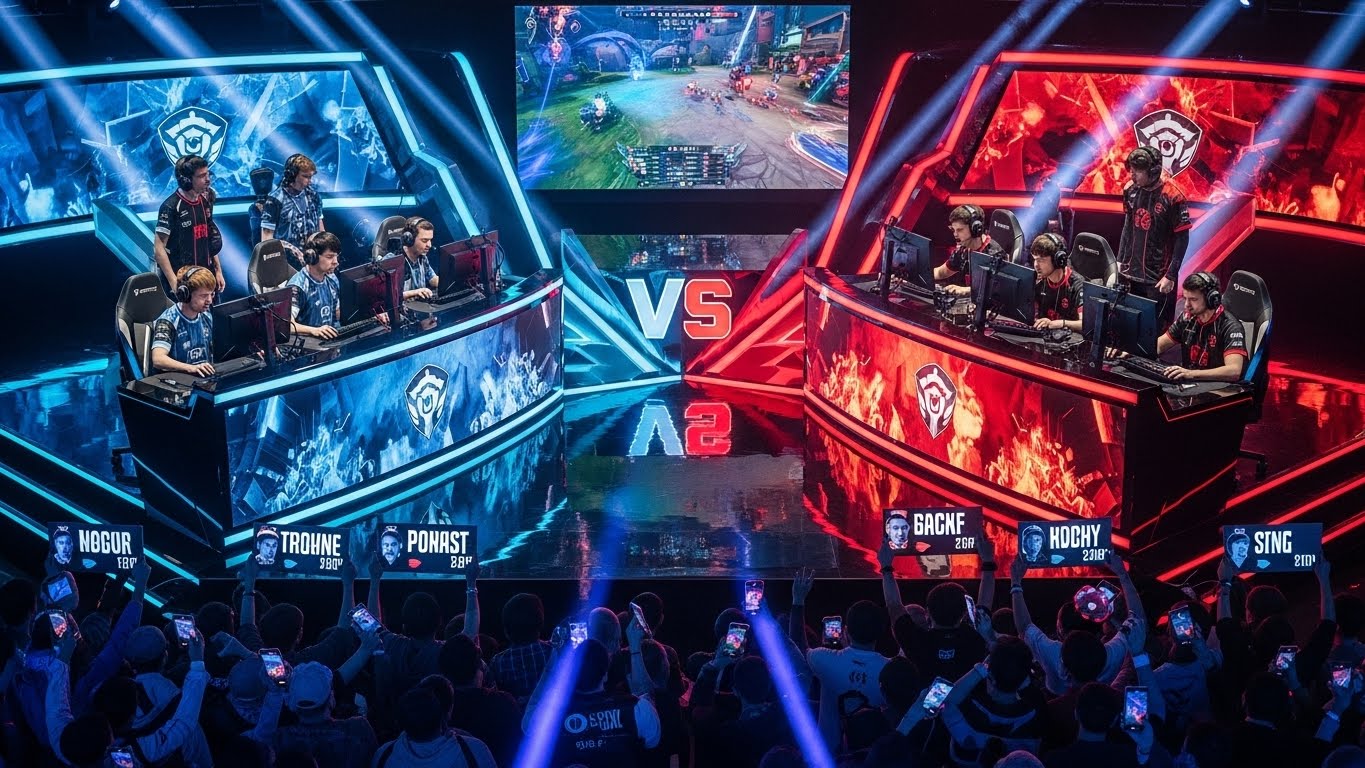
Today, esports tournaments attract millions of viewers worldwide. The International Dota 2 Championship and the League of Legends World Championship are prime examples, featuring prize pools that reach tens of millions of dollars. Esports is no longer a niche hobby; it is a legitimate professional field with sponsorships, media coverage, and a growing fanbase that rivals traditional sports.
The Structure of Esports
Esports competitions are structured similarly to traditional sports leagues. Players often belong to professional teams that practice rigorously, analyze strategies, and compete in local, regional, and international tournaments. Matches are broadcast live on streaming platforms, allowing fans to engage with gameplay, commentary, and behind-the-scenes content.
Unlike conventional sports, esports is entirely digital. This allows for unique formats, instant replays, and dynamic interaction with audiences. Players compete in a variety of genres, including real-time strategy games, first-person shooters, battle royale games, and sports simulations, each requiring specific skills, coordination, and strategic thinking.
The Skill Set Required for Esports
Success in esports demands a combination of technical ability, mental acuity, and teamwork. Hand-eye coordination, reflexes, and precise control are essential for executing complex moves under pressure. Quick decision-making and situational awareness help players adapt to rapidly changing scenarios, while strategic thinking allows teams to plan coordinated attacks and defenses.
Mental resilience is equally important. Professional esports players face intense schedules, high-stakes competitions, and the pressure of public scrutiny. They must maintain focus, manage stress, and recover from setbacks quickly. Unlike traditional athletes, esports competitors also train their cognitive abilities, analyzing game mechanics, opponent strategies, and performance metrics to improve continuously.
The Mental and Physical Challenges of Esports
Esports may appear physically sedentary, but it comes with unique challenges. Long hours of practice and intense competition can lead to repetitive strain injuries, vision problems, and posture-related issues. Many professional teams now incorporate physical fitness routines, stretching, and ergonomic practices to protect players’ health.
Mental health is another critical aspect. The pressure to perform, public criticism, and burnout are common concerns. Teams often employ psychologists and counselors to help players manage stress, build resilience, and maintain a balanced lifestyle. Esports demonstrates that peak performance requires a holistic approach, addressing both mental and physical well-being.
The Global Impact of Esports
Esports has a profound global impact. It has created new economic opportunities, from professional players to content creators, coaches, analysts, and event organizers. Cities hosting esports events see increased tourism, local employment, and investment in infrastructure. Sponsorships from technology companies, consumer brands, and media networks contribute significantly to the industry’s growth.
Culturally, esports is reshaping entertainment. It fosters global communities where players and fans connect across borders, languages, and backgrounds. Online streaming platforms allow audiences to engage with content, cheer for teams, and participate in interactive experiences. This sense of belonging and shared passion mirrors the fandom of traditional sports while embracing the digital age.
Esports and Education
Education has begun to recognize esports as a legitimate field. Schools and universities are offering scholarships for talented players, creating varsity esports teams, and integrating gaming into curricula to teach strategic thinking, teamwork, and digital literacy. Competitive gaming programs also emphasize discipline, communication, and leadership skills, which are transferable to various professional fields.
Furthermore, esports can promote inclusivity and diversity. Unlike many traditional sports, esports allows participants regardless of physical limitations, age, or background. This creates opportunities for a wider range of individuals to excel and feel valued in competitive environments.
The Role of Streaming and Content Creation
Streaming platforms play a crucial role in the growth of esports. Players and teams share live gameplay, tutorials, and behind-the-scenes content with global audiences. Platforms such as Twitch and YouTube Gaming provide exposure for emerging talent and foster interactive communities where fans can communicate with players directly.
Content creation also expands the revenue potential for esports professionals. Beyond tournament winnings, players earn income through sponsorships, merchandise, advertisements, and subscriptions. This diversification strengthens the industry’s sustainability and provides aspiring players with multiple career pathways.
Women in Esports
Esports has traditionally been male-dominated, but female participation is increasing steadily. Women are making their mark as professional players, commentators, and influencers. Organizations are working to promote gender equality by creating inclusive tournaments, mentorship programs, and safe online communities.
Encouraging diversity enhances the competitive landscape and inspires future generations. Female representation in esports highlights the industry’s potential to break barriers and redefine inclusivity in competitive gaming globally.
The Business of Esports
The business side of esports is complex and growing. Sponsorships, media rights, merchandise, and event organization form the backbone of the industry’s revenue streams. Brands recognize esports as a powerful platform to reach younger audiences and invest heavily in marketing campaigns, team sponsorships, and product endorsements.
Esports leagues and tournaments are increasingly professionalized, with structured contracts, player unions, and standardized regulations. This professionalization ensures fair competition, protects players’ rights, and attracts investors, solidifying esports as a long-term, sustainable industry.
Esports as a Career Path
Esports offers diverse career opportunities. Players can pursue professional gaming, coaching, or analysis, while others contribute behind the scenes in marketing, production, and event management. The rise of esports journalism and content creation provides additional avenues for creative professionals.
Career longevity in esports varies, but many players transition into coaching, commentary, or business roles after active competition. The skills developed in esports, such as teamwork, strategic planning, and digital expertise, are highly valuable across multiple industries, making esports a legitimate and versatile career path.
The Future of Esports
The future of esports is full of possibilities. Advancements in technology, including virtual reality, augmented reality, and artificial intelligence, will transform gameplay, training, and fan engagement. Esports is likely to expand into new genres, hybrid competitions, and immersive experiences that blend digital and physical elements.
Global recognition of esports as a professional sport is increasing. Some countries have begun to integrate esports into national sports programs, while international tournaments continue to attract sponsorships, media coverage, and government support. The growth trajectory suggests that esports will remain a central part of global entertainment for decades to come.
Conclusion
Esports has evolved from casual gaming into a global phenomenon that merges competition, entertainment, and technology. It challenges traditional notions of sports, offering unique opportunities for players, fans, and businesses alike. With a growing emphasis on professionalization, inclusivity, and innovation, esports represents more than a pastime; it is a transformative force in modern culture.
From physical and mental challenges to career opportunities and global community building, esports reflects the possibilities of the digital age. Whether as a player, fan, or professional, engaging with esports provides lessons in strategy, teamwork, resilience, and creativity. The digital arena has arrived, and it is redefining competition for a new generation.