
Introduction: The Rise of Esports
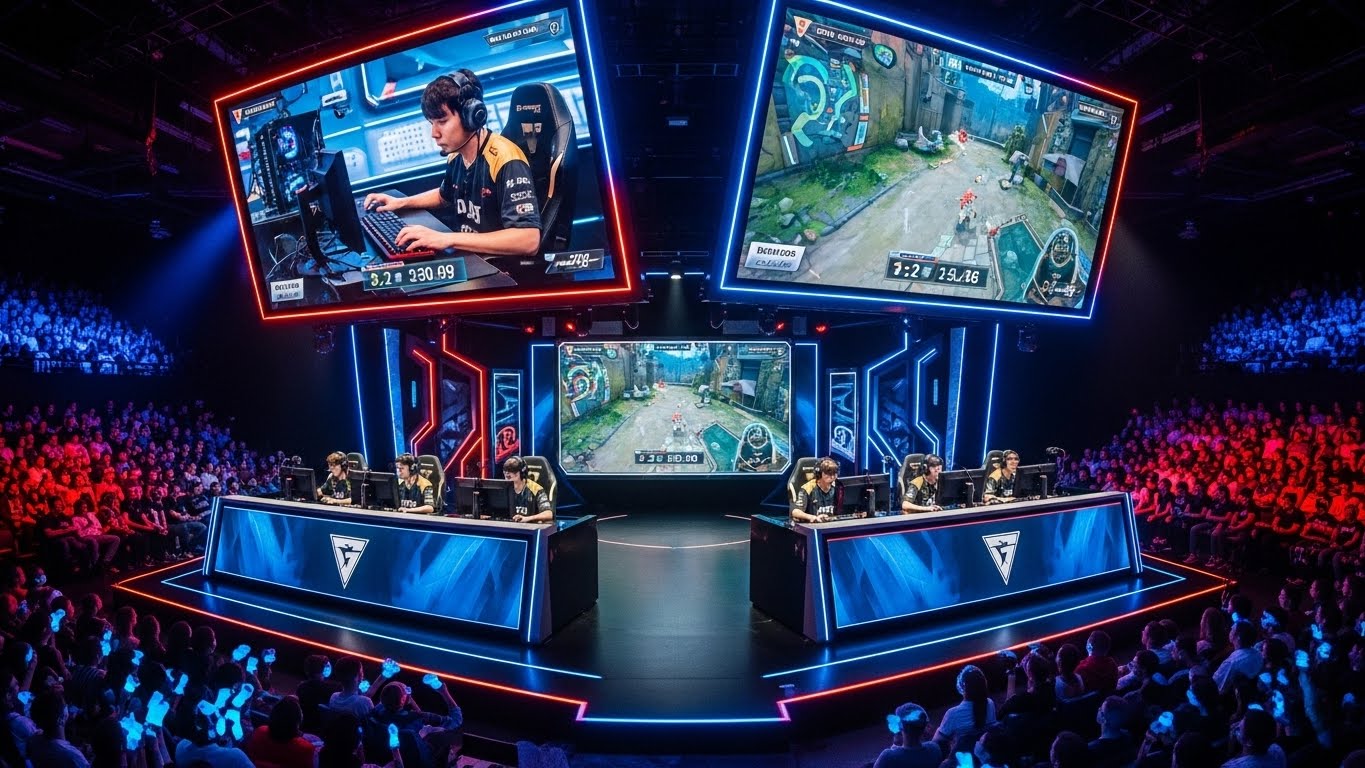
Esports, or competitive gaming, has emerged as one of the most influential forms of entertainment in the digital era. What was once considered a niche hobby has evolved into a multi-billion-dollar industry with global audiences, professional athletes, and high-stakes tournaments. Esports combines strategy, skill, teamwork, and entertainment, appealing to both players and spectators alike. Its rapid growth has reshaped perceptions of gaming, turning it into a legitimate career path and a mainstream cultural phenomenon. This blog explores the evolution of esports, its social and economic impact, the benefits of competitive gaming, and the future of this dynamic industry.
The Evolution of Competitive Gaming
The origins of esports can be traced back to arcade competitions and early multiplayer PC games in the 1980s and 1990s. Simple contests, such as high-score challenges, gradually evolved into organized tournaments with professional rules. The rise of online gaming in the 2000s allowed players to compete globally, breaking down geographic barriers. Games like “StarCraft,” “Counter-Strike,” and “League of Legends” became cornerstones of competitive gaming, drawing large audiences and cultivating dedicated communities. Today, esports encompasses a wide range of genres, from strategy and first-person shooters to battle royale and sports simulations, demonstrating the diversity and adaptability of competitive gaming.
The Structure of Esports
Esports is organized similarly to traditional sports, with leagues, tournaments, teams, and professional players. Teams are often sponsored by major companies, and players dedicate significant time to training, strategy, and skill development. Tournaments range from small local events to massive international competitions with multi-million-dollar prize pools. Esports organizations provide coaching, analytics, and support staff to optimize performance, emphasizing professionalism and discipline. This structured approach has elevated esports to a respected and recognized form of competition, attracting talent, investment, and media attention worldwide.
The Popularity of Esports
The popularity of esports has skyrocketed over the past decade, with millions of viewers tuning in to watch tournaments online or in arenas. Platforms that allow live streaming of matches have created a global audience, with fans engaging through chat, social media, and interactive events. The appeal of esports lies in its combination of skill, strategy, and excitement, offering both players and viewers a sense of immersion and community. Unlike traditional sports, esports provides accessibility, allowing anyone with a computer or console and an internet connection to participate or spectate. This inclusivity has contributed significantly to its global reach and popularity.
Esports as a Career Path
Competitive gaming has evolved into a viable career for many players. Professional esports athletes dedicate hours each day to practice, strategy, and team coordination, similar to traditional athletes. Successful players can earn substantial income through salaries, tournament winnings, sponsorships, and streaming revenue. Beyond players, the esports industry supports careers in coaching, content creation, event management, marketing, and broadcasting. The professionalization of esports demonstrates that gaming is no longer just a hobby—it is a legitimate field with career opportunities, skill development, and long-term growth potential.
The Social Impact of Esports
Esports has a profound social impact, connecting people across countries, cultures, and age groups. Online communities and teams provide spaces for collaboration, friendship, and mentorship. Players often form close bonds through shared goals and experiences, creating meaningful social connections. Additionally, esports has increased inclusivity by allowing players of different abilities, genders, and backgrounds to participate on equal footing. Spectatorship also fosters social engagement, as fans discuss strategies, celebrate victories, and form supportive communities around their favorite teams and games. Esports is more than competition—it is a social ecosystem that brings people together.
The Psychological and Cognitive Benefits of Esports
Competitive gaming can provide cognitive and psychological benefits. Strategic games improve critical thinking, problem-solving, and decision-making skills. Fast-paced action games enhance reflexes, hand-eye coordination, and spatial awareness. Team-based esports foster communication, collaboration, and leadership abilities. Additionally, esports encourages goal-setting, perseverance, and resilience, as players must adapt to challenges and setbacks. While moderation is key, competitive gaming can serve as an engaging and mentally stimulating activity that develops a wide range of cognitive and social skills.
Women in Esports
Historically, esports has been male-dominated, but female participation is steadily increasing. Women are excelling in competitive play, content creation, and leadership roles within esports organizations. Tournaments and initiatives focused on inclusivity have helped challenge stereotypes and provide equal opportunities for female players. Celebrating women in esports not only promotes diversity but also inspires the next generation of gamers to pursue competitive gaming regardless of gender. Inclusive practices are essential for the growth and legitimacy of esports as a global industry.
Esports and Education
Esports is increasingly being integrated into educational systems, offering students opportunities to develop skills and explore careers in the gaming industry. Many schools and universities now offer esports programs, including competitive teams, scholarships, and academic courses focused on gaming, technology, and management. Participation in esports enhances teamwork, strategic thinking, communication, and time management skills, complementing traditional education. This integration highlights esports’ potential as a tool for personal development and career preparation in the digital age.
Economic Impact of Esports
The esports industry has become a significant economic driver. Revenue streams include tournament prizes, sponsorship deals, merchandise sales, broadcasting rights, and streaming platforms. Professional esports organizations attract investment from major corporations and venture capital, fueling growth and innovation. Esports events also stimulate local economies, drawing tourism, media coverage, and business opportunities to host cities. The financial impact of esports demonstrates its evolution from hobbyist competitions to a fully-fledged industry with global reach and economic influence.
Technology and Innovation in Esports
Technology plays a crucial role in esports’ growth and sustainability. High-speed internet, streaming platforms, and advanced hardware enable competitive play and global spectatorship. Data analytics and performance tracking help teams refine strategies and enhance player development. Virtual reality, augmented reality, and artificial intelligence are beginning to influence training, game design, and fan engagement. Technological innovation ensures that esports remains dynamic, immersive, and accessible, paving the way for new forms of competition and entertainment in the future.
The Future of Esports
The future of esports is bright, with continued growth, innovation, and mainstream acceptance. Emerging genres, cross-platform play, and integration with traditional sports will expand its audience and reach. Universities and professional organizations will further legitimize esports careers. Advances in virtual reality, cloud gaming, and artificial intelligence will create more immersive, interactive, and competitive experiences. As global connectivity increases, esports will continue to unite people, inspire innovation, and redefine the boundaries of entertainment, professional sports, and digital culture.
Conclusion: Esports as a Transformative Medium
Esports has transformed the gaming landscape and redefined what it means to be a competitor, spectator, and entertainer. It offers a combination of excitement, skill, strategy, and community that appeals to millions of people worldwide. Beyond entertainment, esports provides cognitive development, social engagement, professional opportunities, and economic impact. It has become a cultural force that connects people across the globe, promotes inclusivity, and inspires future generations of gamers. As technology, accessibility, and recognition continue to advance, esports will remain at the forefront of digital entertainment, proving that competitive gaming is more than just a game—it is a transformative medium shaping the way we play, connect, and thrive in the modern world.