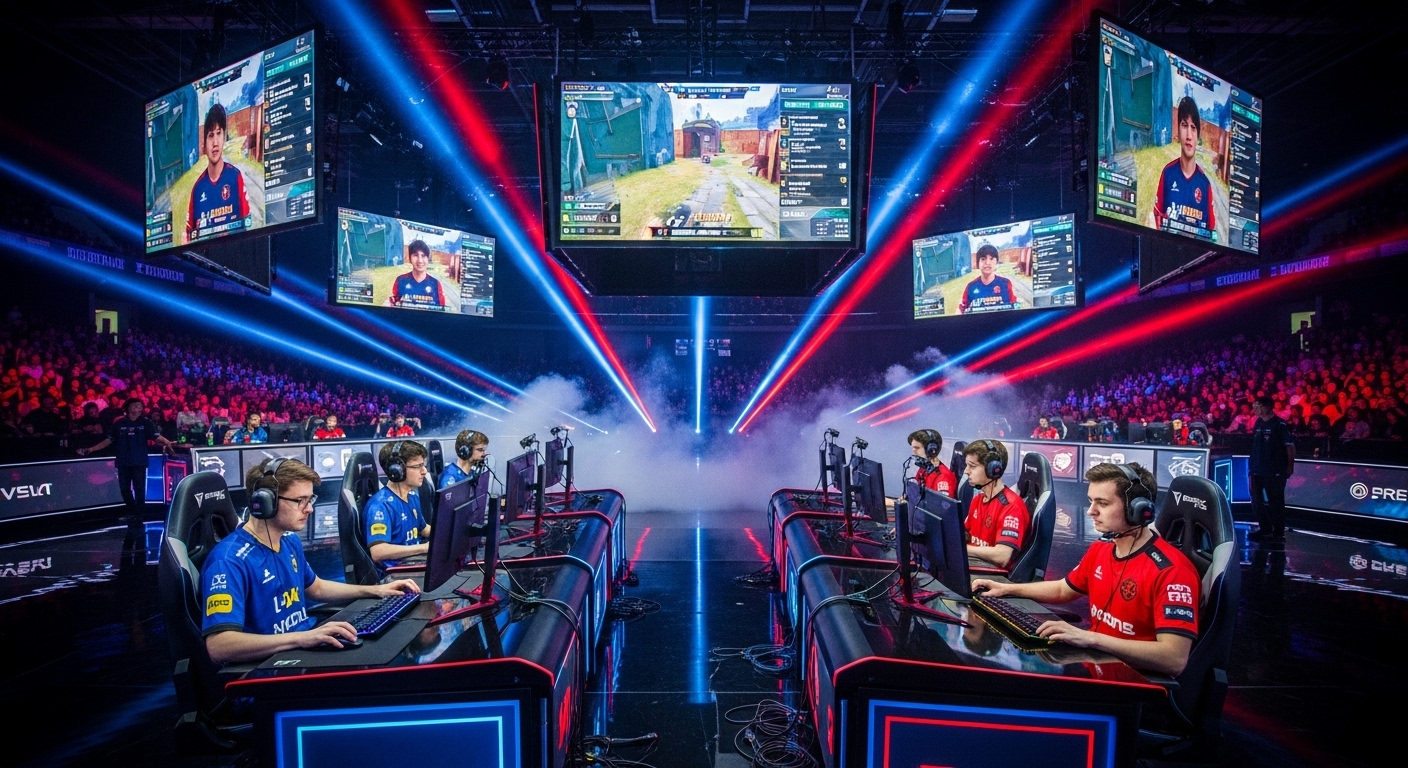
Esports, or competitive video gaming, has grown from a niche pastime into a global phenomenon that attracts millions of players and fans worldwide. What was once seen as a hobby for enthusiasts is now a professional industry with structured leagues, international tournaments, and a booming fanbase. The rise of esports has transformed entertainment, technology, and even careers in ways that were unimaginable just a few decades ago. This blog explores the world of esports, its cultural impact, professional dynamics, and its exciting future.
The Origins of Esports: From Arcades to Global Competitions
The story of esports begins in the early days of video gaming. In the 1980s, arcade competitions were the first form of organized gaming contests. Players would gather at local arcades to compete in games like Pac-Man, Space Invaders, and Street Fighter, often vying for high scores and local recognition. These early competitions were simple but laid the foundation for structured gaming as a form of entertainment.
The 1990s introduced online multiplayer gaming, allowing players to connect and compete across cities and countries. Titles like StarCraft, Quake, and Counter-Strike gained competitive followings and inspired the first professional gaming leagues. The combination of skill, strategy, and spectator appeal turned video games from casual entertainment into organized competition, setting the stage for modern esports.
Popular Esports Games and Their Competitive Appeal
Esports thrives on variety, and certain game genres dominate the competitive scene. Multiplayer online battle arena games, known as MOBAs, such as League of Legends and Dota 2, require teamwork, strategy, and fast decision-making. First-person shooters like Counter-Strike: Global Offensive and Valorant test precision, reflexes, and tactical awareness. Battle royale games, including Fortnite and Apex Legends, blend survival instincts with high-stakes strategy, offering unpredictable and thrilling gameplay.
Each game attracts a unique audience and requires specialized skills. MOBAs focus on team coordination and strategic planning, while FPS games emphasize individual skill and reflexes. The diversity of games ensures that esports offers something for every type of player and spectator, expanding its global appeal and cultural relevance.
The Rise of Professional Esports Players and Teams
Professional esports players are more than just gamers; they are athletes who dedicate countless hours to perfecting their craft. Top players often practice eight to twelve hours daily, honing mechanical skills, teamwork, and strategic thinking. Many players join professional teams that include coaches, analysts, and support staff, mirroring traditional sports organizations.
Esports teams compete in structured leagues, regional championships, and global tournaments, with prize pools often reaching millions of dollars. Players also build personal brands, attracting sponsorships, endorsements, and fan followings. The professionalization of esports has legitimized competitive gaming as a viable career path and given players recognition and respect comparable to traditional athletes.
Streaming Platforms and the Spectator Experience
One of the key drivers of esports growth is the rise of streaming platforms. Services that allow players to broadcast their gameplay live have transformed competitive gaming into a spectator sport. Millions of viewers tune in to watch tournaments, follow favorite players, or enjoy live commentary.
Streaming has democratized access to esports. Amateur players can showcase their skills, gain recognition, and even be recruited into professional teams. Live streaming also enables interactive engagement, where fans can chat, react, and participate in the experience in real-time. This has created a dynamic ecosystem where players, fans, and content creators contribute to the growth and vibrancy of esports communities.
Esports as a Global Phenomenon
Esports has transcended geographical boundaries, creating a worldwide community of players and fans. International tournaments bring together participants from multiple countries, fostering cross-cultural engagement and collaboration. Fans connect through forums, social media, and live chats, creating networks that span continents.
This global reach has helped esports become more than just a form of entertainment. It promotes cultural exchange, teamwork, and shared enthusiasm for competitive gaming. The sense of community among esports fans mirrors traditional sports fandoms, with passion, loyalty, and excitement fueling global engagement.
The Economics of Esports: Sponsorships and Revenue
Esports is not only entertainment but also a booming business. Sponsorship deals, media rights, and merchandise sales are major revenue sources. Brands from technology, energy drinks, fashion, and other industries invest heavily to associate with esports teams, tournaments, and players, reaching a younger, tech-savvy audience.
Merchandise, including jerseys, apparel, and collectibles, allows fans to show loyalty while generating income for teams. Media rights for broadcasting tournaments on streaming platforms and television add another revenue stream, further professionalizing the industry. The financial ecosystem of esports demonstrates its sustainability and growing influence on mainstream entertainment.
Mental and Physical Demands of Esports
Competitive gaming requires mental and physical discipline. Players must maintain focus, react quickly, and make strategic decisions under intense pressure. Mental endurance is crucial, particularly during long tournaments that can last several hours per match or even multiple days.
Physical health is equally important. Professional teams now emphasize proper ergonomics, exercise routines, and nutrition to ensure peak performance. Mental health support is also becoming a priority, addressing stress, burnout, and the psychological pressures of competition. Esports athletes, therefore, are not only skilled gamers but also highly disciplined professionals who train both their minds and bodies.
Esports in Education: Developing Skills Beyond the Game
Esports is increasingly being integrated into educational programs. Schools and universities around the world are creating esports teams, offering scholarships, and incorporating gaming into curricula. Students develop skills in teamwork, strategy, communication, and problem-solving, which are transferable to professional and academic contexts.
Educational esports programs also introduce students to technology, coding, and game design, bridging the gap between gaming and STEM fields. Recognizing esports as an educational tool highlights its potential to teach valuable life skills while providing entertainment.
Challenges Facing the Esports Industry
Despite its rapid growth, esports faces several challenges. Ensuring competitive integrity is critical, with concerns about cheating, match-fixing, and unethical behavior requiring constant monitoring. Maintaining fair play and transparency is essential to retain fan trust.
Sustainability is another concern. Professional careers in esports can be short due to burnout, declining performance, or physical strain. Organizations are working on better contracts, career support, and mental health resources to ensure long-term success for players. Additionally, cultural and legal differences across regions can impact the global expansion of esports.
The Future of Esports: Innovation and Growth
The future of esports promises exciting technological innovations. Virtual reality, augmented reality, and AI-driven experiences will transform competitive gaming, making tournaments more immersive and interactive. Imagine virtual arenas where spectators can feel like they are part of the action, or AI tools that adapt gameplay in real-time to enhance strategy and engagement.
Emerging markets in Asia, South America, and Africa will introduce new talent and fan communities, further globalizing esports. Collaborations with traditional sports, entertainment industries, and media will increase visibility and mainstream acceptance. The future of esports is not just about playing games; it is about creating experiences that redefine how we compete, watch, and connect.
Why Esports Matters
Esports is more than a hobby; it is a cultural, social, and economic force. It fosters community, teaches discipline, and inspires creativity. It creates opportunities for careers, innovation, and global collaboration. In a digital world, esports exemplifies how technology can unite people, provide entertainment, and create meaningful engagement.
As competitive gaming continues to grow, it will remain a driving force in modern entertainment. Esports is not just about winning or losing; it is about passion, skill, and the shared excitement of millions around the world. It has leveled up our understanding of competition and redefined what it means to be an athlete in the 21st century.