Introduction: A New Kind of Competition
A few decades ago, competitive gaming was viewed as a pastime reserved for hobbyists and computer enthusiasts. Today, esports has transformed into a global entertainment powerhouse, drawing millions of viewers, generating international tournaments, and creating careers that rival traditional sports. This evolution did not happen overnight. It is the result of technological growth, shifting cultural perceptions, and the relentless passion of gamers around the world. Esports is not just a trend; it is a cultural phenomenon that continues to reshape the entertainment, sports, and technology landscapes.
The Origins of Esports
Esports traces its roots back to the late twentieth century when arcade games and early consoles were becoming household staples. What started with informal high-score competitions in arcades soon evolved into organized events. The early tournaments, though small, set the stage for what was to come. As the internet became mainstream, the ability to connect players globally created an environment where competitions could be held without geographical limitations. This opened the door for structured leagues, professional teams, and dedicated fan bases. The birth of esports was a natural progression of technology meeting human competitiveness.
The Rise of Professional Gaming
The idea of playing video games professionally might have once sounded unrealistic, yet today it is a legitimate career path for thousands. Professional esports players are trained athletes in their own right. They practice for long hours, study strategies, analyze opponents, and take part in rigorous coaching sessions. Many teams employ nutritionists, psychologists, and fitness trainers to help players maintain peak performance. The lifestyle mirrors that of traditional athletes, with discipline and consistency at its core. The rise of professional gaming shows that skill, dedication, and teamwork are as relevant in digital sports as they are in physical sports.
The Role of Streaming and Digital Platforms
The explosion of online streaming platforms has been one of the biggest contributors to esports’ global expansion. Streaming transformed esports from niche competitions into full-scale entertainment. Viewers can watch tournaments live from anywhere in the world, interact in real time, and follow their favorite players as closely as fans follow celebrities. Streaming also democratized esports by allowing any skilled player to build a fan base, gain sponsors, or join competitive teams. This level of accessibility and community interaction helped propel esports into mainstream pop culture.
Popular Esports Titles and Their Unique Appeal
Esports is not defined by a single game but by a diverse range of genres that appeal to different audiences. Multiplayer online battle arenas focus on team strategy and fast decision-making. First-person shooters test reflexes, precision, and coordination. Strategy games challenge players to think ahead, manage resources, and outsmart their opponents. Sports simulation titles offer competitive experiences that mirror real-world athletic events. Each game community has its own culture, rules, and expectations, but the common thread is a shared passion for competition. This variety helps esports attract a broad audience and ensures that the industry remains dynamic.
Esports Arenas: The Modern Stadiums
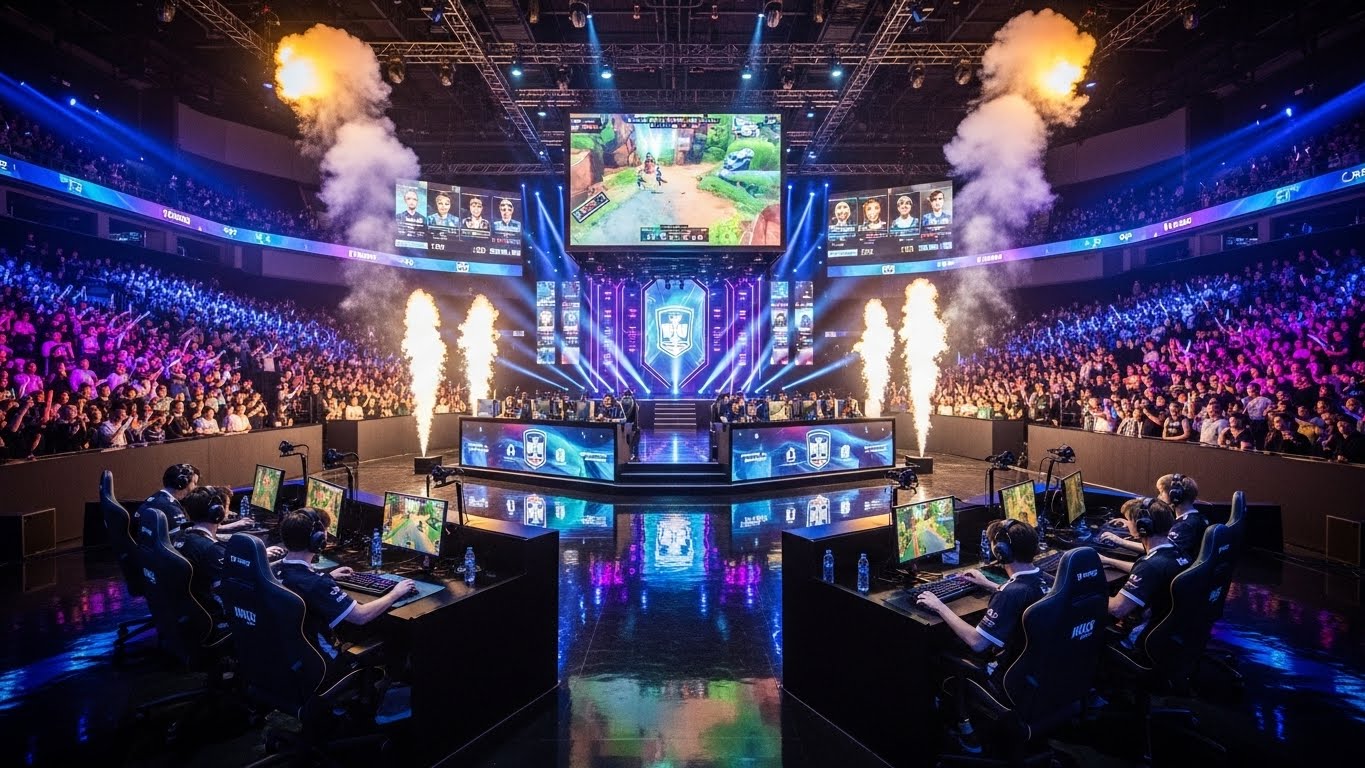
In the early days, esports tournaments were held in small venues or online. Today, major events fill stadiums designed specifically for gaming competitions. These arenas combine physical space with digital immersion, offering giant screens, advanced lighting, and powerful sound systems that create electrifying atmospheres. Fans cheer for their favorite teams just as they would at traditional sports events. The energy in an esports arena is unmistakable, blending digital excitement with real-world emotion. These modern stadiums symbolize the mainstream acceptance of esports as legitimate entertainment.
Esports as a Career Beyond Playing
While professional players often receive the spotlight, the esports ecosystem offers many other career opportunities. Coaches guide teams with strategic insights. Analysts study gameplay trends and opponent behaviors. Commentators and hosts bring tournaments to life with engaging narration. Content creators build communities with their personalities and insights. Event organizers coordinate massive tournaments, while marketing professionals help teams and companies reach global audiences. Technology specialists ensure smooth gameplay, broadcast quality, and security. The esports industry thrives because it is supported by a vast network of skilled professionals working behind the scenes.
The Growth of Collegiate and Academic Esports
Esports has also entered the academic world, with colleges and universities offering scholarships and building varsity teams. This shift showcases the institutional recognition of gaming as a legitimate discipline that fosters teamwork, critical thinking, and technological literacy. Academic programs now study esports from business, management, communication, and psychological perspectives. Schools host tournaments, create dedicated facilities, and partner with professional organizations. For many students, esports provides new pathways to education, community involvement, and future careers. The growing connection between esports and academia highlights the sport’s long-term sustainability.
The Economics of Esports
The financial ecosystem surrounding esports is robust and multifaceted. Revenue comes from sponsorships, media rights, advertisements, merchandise, and ticket sales. Brands see esports as a way to connect with digital-native audiences who may be difficult to reach through traditional advertising. Sponsorship deals range from gaming peripherals to major global companies. Prize pools for top tournaments can reach multimillion-dollar amounts, demonstrating the financial value and competitive prestige of esports. As the industry continues to expand, new monetization models emerge, further strengthening the economic foundation of competitive gaming.
Esports and Global Community Building
One of the most remarkable aspects of esports is its ability to unite people from different cultures, languages, and backgrounds. In the virtual arena, teamwork and communication transcend physical boundaries. Players collaborate, strategize, and build friendships that span continents. Fans also form global communities, bonding over shared interests and supporting their favorite teams regardless of geographic location. Esports fosters empathy and understanding across borders, proving that digital spaces can be powerful tools for cultural exchange and global unity.
Health and Wellness in Esports
As esports grows, so does the focus on physical and mental health. Professional gaming can be demanding, with long hours of practice placing strain on the body and mind. The industry now emphasizes healthy training routines, regular exercise, mental resilience, and ergonomic setups. Sports psychologists help players manage stress, maintain focus, and develop coping strategies. Balanced nutrition supports long-term performance. This holistic approach ensures that players remain healthy, motivated, and capable of sustaining long careers. The prioritization of wellness reflects the maturation of esports into a structured professional domain.
Challenges Facing the Esports Industry
Despite its success, esports faces challenges that must be addressed for continued growth. Issues such as player burnout, inconsistent tournament structures, and contractual disputes require attention. Maintaining competitive integrity through proper regulations, anti-cheating measures, and fair governance is crucial. There is also ongoing discussion about representation, inclusivity, and providing safer, more welcoming environments for all participants. Balancing commercialization with community values remains an important concern. By confronting these challenges openly, the esports industry can evolve responsibly and nurture long-term success.
The Future of Esports: Innovation and Expansion
The future of esports looks bright as technology continues to innovate. Virtual reality and augmented reality may soon redefine the competitive experience. Advances in artificial intelligence could influence gameplay analysis, coaching, and training methods. Enhanced mobile technology expands accessibility, allowing more people to participate regardless of their hardware limitations. Cross-platform play breaks down barriers between gaming communities. Esports may eventually be recognized alongside traditional sports in global competitions. As the boundaries between physical and digital worlds continue to blur, esports is poised to play an even larger role in global entertainment.
Conclusion: The Era of the Digital Athlete
Esports has transcended its early beginnings to become a major cultural and economic force. It represents the merging of competition, technology, creativity, and global community. Today’s digital athletes inspire millions, demonstrate mastery of their craft, and push the limits of human coordination and strategy. The industry’s growth reflects a world that is increasingly connected, digital, and diverse. As esports continues to evolve, it will not only entertain but also influence education, innovation, and global interaction. The digital colosseum is here to stay, and its impact is only just beginning.