The Beginning of a Digital Revolution
Esports, short for electronic sports, began as a simple idea—people playing video games competitively. In the early days, gaming was mostly about fun and escape. Arcades in the 1980s and early 1990s were filled with players challenging friends on titles like Street Fighter, Pac-Man, and Space Invaders. Back then, no one imagined that gaming would one day fill entire arenas or be broadcast on major television networks. It was a pastime, a hobby shared among small communities. But over the years, what started as casual competition evolved into a billion-dollar global phenomenon known as esports.
The seeds were planted when technology began connecting people. Once multiplayer games could be played online, the idea of global competition became real. Games like StarCraft, Counter-Strike, and Quake became early esports titles, fostering the first generation of professional gamers. Slowly, tournaments began to form, sponsors started to appear, and fans followed their favorite players just like they did with athletes in traditional sports.
From Local Tournaments to Global Arenas
The growth of esports has been staggering. In the early 2000s, local competitions were small gatherings in computer cafés and college halls. Players would bring their own equipment, connect through local area networks (LAN), and compete for modest prizes. But as internet speeds improved, game developers began supporting competitive play, and online tournaments opened the door for anyone to participate.
Suddenly, players from different continents could face each other without leaving their homes. This accessibility was revolutionary. It broke down geographical and financial barriers, allowing raw talent from anywhere to rise. By the mid-2010s, esports events were filling stadiums. The League of Legends World Championship, The International for Dota 2, and Fortnite’s World Cup became cultural moments, drawing millions of viewers worldwide.
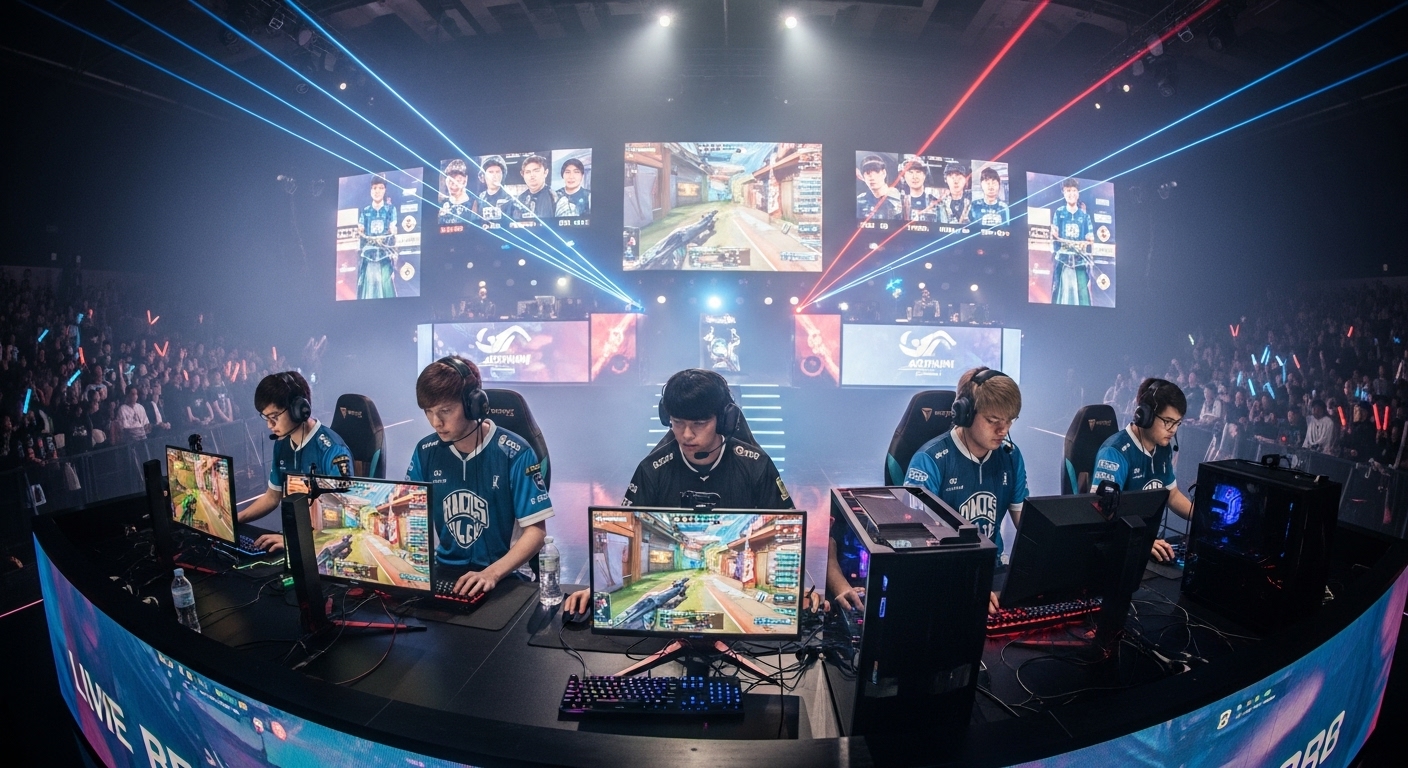
Today, esports tournaments rival major sporting events in viewership. Millions tune in to watch their favorite teams battle for titles, and the atmosphere in live venues is electric. Fans chant, wave team banners, and celebrate every victory. The energy is similar to football or basketball championships, but instead of goals or dunks, the cheers come from precision headshots, clutch plays, and strategic brilliance.
The Games That Built the Esports World
Every major sport has its iconic games and heroes, and esports is no different. Over the years, certain titles have shaped the competitive landscape.
1. League of Legends – One of the most popular esports in the world, League of Legends (LoL) combines strategy, teamwork, and skill in a way that makes it both complex and thrilling. With regional leagues in every major part of the world, Riot Games has built a global ecosystem that continues to grow each year.
2. Counter-Strike: Global Offensive – Known simply as CS:GO, this first-person shooter became a benchmark for tactical gameplay. Its simple premise—terrorists versus counter-terrorists—has evolved into one of the most-watched esports titles ever. The Counter-Strike franchise has produced legendary players and unforgettable matches.
3. Dota 2 – The International, Dota 2’s annual world championship, is famous for its massive prize pools, often reaching tens of millions of dollars. The game’s complexity and depth make it one of the most challenging titles to master, attracting only the most dedicated players.
4. Fortnite – When Fortnite entered the scene, it redefined what an esports event could look like. Its creative approach, crossovers with pop culture, and appeal to younger audiences turned competitive gaming into a global spectacle.
5. Valorant, Overwatch, and Call of Duty – These modern shooters added variety to the esports scene, blending team coordination with fast-paced action. Each has built passionate communities, professional leagues, and international tournaments.
Each of these games has created legends—players who became household names, streamers who built careers, and organizations that established dominance. Esports teams such as Fnatic, Cloud9, Team Liquid, and T1 are now global brands, much like football clubs or NBA teams.
The Rise of Professional Players
Becoming a professional gamer is no longer a dream for the few. It’s a real career path for thousands around the world. Today’s esports professionals are athletes in their own right. They train rigorously, often spending 8 to 12 hours a day mastering mechanics, learning strategies, and reviewing gameplay. Many have personal coaches, nutritionists, and even sports psychologists to maintain peak performance.
The journey to the top, however, is not easy. The competition is fierce, and success depends on consistency, teamwork, and adaptability. Just like traditional sports, only a fraction of players reach the professional stage, but those who do often earn substantial rewards. Top players make money through tournament winnings, sponsorship deals, and streaming. Some even become brand ambassadors or entrepreneurs after retiring from competitive play.
Yet, the fame comes with challenges. The pressure to perform, long practice hours, and online criticism can take a toll on mental health. Thankfully, the industry is becoming more aware of these issues, and organizations are beginning to provide proper support systems for their players.
Esports as a Mainstream Entertainment Industry
The entertainment world has fully embraced esports. Major broadcasters now feature tournaments on television, while streaming platforms have made competitive gaming accessible to everyone. Millions of fans watch their favorite matches live, interacting through chat and social media. This level of engagement has created a new form of entertainment—one that is participatory, global, and constantly evolving.
Brands outside gaming have noticed. Companies from energy drinks to car manufacturers now sponsor teams and tournaments. Esports merchandise has become popular, and collaborations with fashion labels have blurred the line between gaming and lifestyle culture. Gaming influencers are now cultural icons, appearing in commercials, films, and even music videos.
Esports events also showcase impressive production value. The use of augmented reality, dynamic stage lighting, and massive LED screens turns matches into full-blown spectacles. The opening ceremonies of major tournaments often feature live music, choreographed performances, and cinematic storytelling. In short, esports is not just about gaming—it’s an immersive entertainment experience.
The Role of Technology and Streaming
Technology has been the backbone of esports’ success. High-speed internet, powerful gaming PCs, and streaming platforms have made it possible for anyone to watch or participate in tournaments from anywhere in the world. Platforms like Twitch, YouTube Gaming, and Kick allow fans to connect directly with players, creating a unique sense of community.
Streaming also gave rise to a new generation of personalities. Some players transitioned into full-time streamers, building loyal audiences through their charisma and skill. The line between esports athlete and entertainer continues to blur, as streaming allows direct engagement and a personal connection that traditional sports rarely achieve.
Moreover, advancements in virtual reality (VR), augmented reality (AR), and artificial intelligence (AI) are beginning to influence how esports are played and experienced. Future tournaments may include mixed-reality environments, where fans can feel as if they are standing right inside the virtual arena.
The Globalization of Esports
Esports transcends borders, languages, and cultures. A player in Seoul can compete against someone in Berlin or São Paulo. Teams recruit internationally, and global tournaments bring together people from every continent. This worldwide appeal has turned esports into one of the most inclusive entertainment industries on the planet.
Countries like South Korea, China, and the United States have become powerhouses in competitive gaming. South Korea, often considered the birthplace of modern esports, has professional leagues, government recognition, and even dedicated esports stadiums. China hosts massive tournaments and invests heavily in esports infrastructure. Meanwhile, North America and Europe continue to expand their competitive ecosystems, producing world-class talent and diverse fanbases.
Esports has also gained traction in regions like Southeast Asia, the Middle East, and Latin America. Local tournaments and organizations are growing rapidly, proving that competitive gaming is not just a Western or Asian phenomenon—it’s a global movement.
Education and Esports
Another sign of esports’ legitimacy is its inclusion in education. Universities and high schools around the world now offer esports scholarships and degree programs. Students can study game design, broadcasting, marketing, or team management, all while representing their institutions in competitive leagues.
These academic programs highlight the industry’s professional opportunities beyond playing. Careers in coaching, event production, analytics, commentary, and content creation are becoming more common. Esports has opened a gateway for young people to blend their passion for gaming with real-world skills in communication, teamwork, and strategy.
Economic and Cultural Impact
The economic impact of esports is enormous. The industry generates billions of dollars annually through sponsorships, media rights, merchandise, and ticket sales. It has created thousands of jobs, from production crews to marketing specialists. Cities that host major tournaments benefit from tourism and exposure, similar to how hosting the Olympics or World Cup boosts local economies.
Culturally, esports has become a unifying force. It bridges generations and backgrounds, connecting people through shared excitement. Parents who once dismissed gaming as a waste of time are beginning to see its potential. It fosters creativity, strategic thinking, and community engagement. The stereotype of the “lonely gamer” is fading, replaced by images of professional teams, fans, and thriving global networks.
The Future of Esports
Where does esports go from here? The possibilities seem endless. As technology advances, the experiences will only become more immersive. Artificial intelligence could enhance training tools, virtual reality could redefine competitive formats, and blockchain technology might change how rewards and contracts are managed.
Mobile esports are also rising rapidly, especially in developing regions. Titles like PUBG Mobile and Mobile Legends have proven that competitive gaming doesn’t require expensive equipment. As accessibility grows, so will participation.
Another emerging trend is the integration of esports into traditional sports organizations. Football clubs, basketball teams, and even Olympic committees are exploring esports divisions, recognizing its global reach and influence among younger audiences.
However, the industry will also face challenges. Regulation, player welfare, and sustainability will need careful attention. Maintaining integrity in competitions, addressing burnout, and ensuring inclusivity are crucial for long-term success. But given its current momentum, esports is well-positioned to continue its rapid ascent.
Esports: More Than Just a Game
At its core, esports is about human connection. Behind every match, there’s a story—of teamwork, rivalry, ambition, and dreams. It’s about ordinary individuals achieving extraordinary things through passion and persistence. Just like traditional athletes, esports players inspire millions. They prove that gaming can be more than entertainment; it can be art, competition, and community all at once.
As we look to the future, one thing is clear: esports is here to stay. It has already transformed how we view games, sports, and entertainment. The lines between them have blurred, creating something entirely new—a digital arena where skill meets spectacle, and where every click, every move, and every strategy counts.
Esports is not just the future of gaming; it is the evolution of competition itself.