
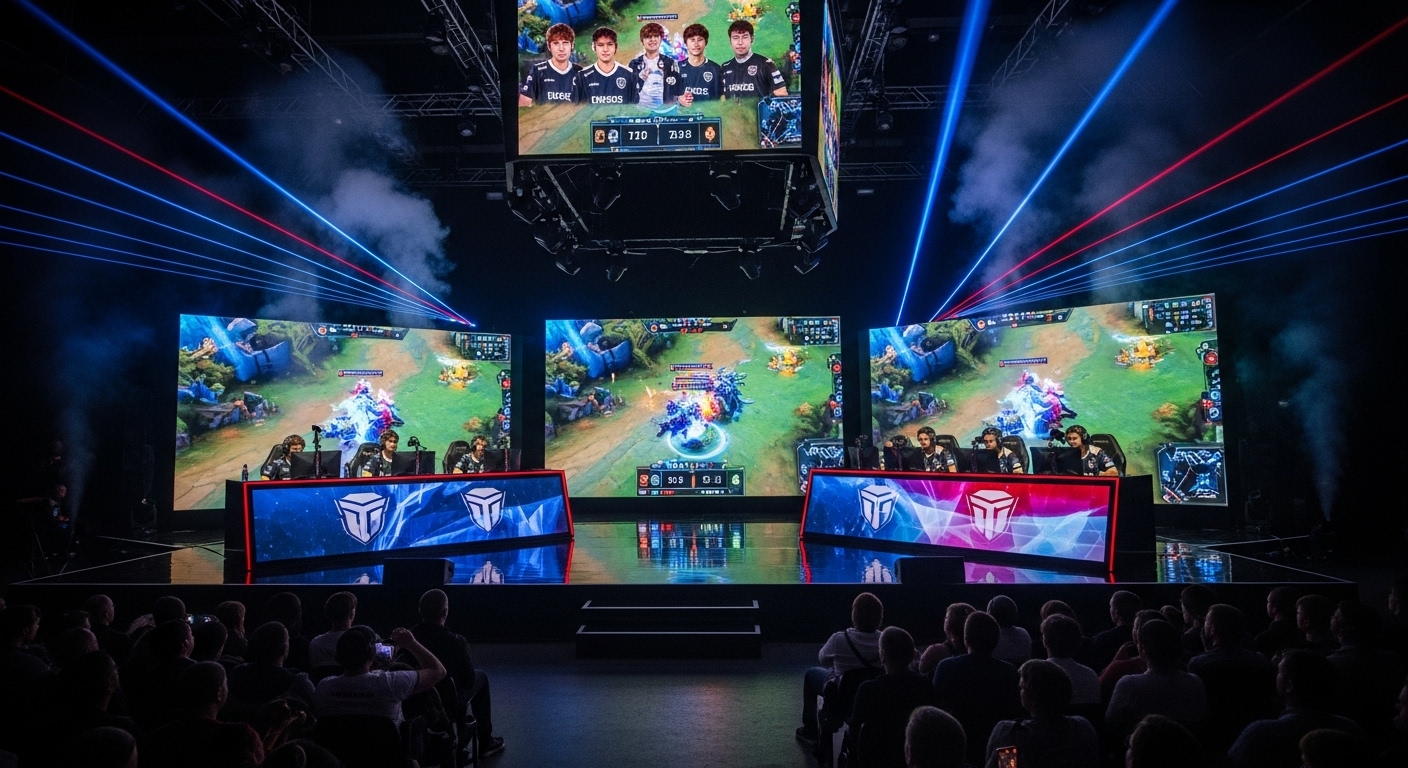
Esports has grown from niche online competitions to a global phenomenon, capturing the attention of millions of fans and redefining what it means to compete. With professional teams, massive tournaments, and streaming platforms, esports is no longer just a pastime—it is a thriving industry that blends skill, strategy, and entertainment.
The Evolution of Competitive Gaming
Competitive gaming has existed for decades, but esports emerged as a professional arena in the 2000s with games like StarCraft and Counter-Strike. Over the years, tournaments became more structured, and prize pools grew exponentially. Today, esports spans multiple genres including first-person shooters, real-time strategy, battle royale, and sports simulations, appealing to diverse audiences worldwide.
Professional Players and Teams
Esports has given rise to professional players who train rigorously, similar to traditional athletes. Teams have coaches, analysts, and support staff who focus on improving strategies, reaction times, and communication skills. The dedication required is immense, and top-tier players can earn salaries, sponsorships, and global recognition, making esports a legitimate career path.
Global Tournaments and Spectatorship
Major tournaments attract audiences rivaling traditional sports events. From packed arenas to online streaming platforms, fans can watch live matches, interact with players, and experience the excitement in real time. Championships like the League of Legends World Championship or Dota 2’s The International showcase not just skill but the spectacle of esports, making it an entertainment powerhouse.
Streaming and Content Creation
Streaming platforms have fueled esports’ growth by allowing fans to watch matches, follow favorite players, and learn game strategies. Beyond live competitions, content creators provide commentary, tutorials, and entertainment, expanding the esports ecosystem. This interactivity strengthens the community and gives fans a sense of connection to the game and its players.
Esports and Technology
Technology plays a critical role in esports, from high-performance gaming PCs and consoles to advanced network systems ensuring smooth online gameplay. Innovations in virtual reality, augmented reality, and AI-driven analytics are also shaping the future, enhancing both player performance and audience engagement.
Challenges and the Road Ahead
Despite its growth, esports faces challenges such as ensuring fair play, managing player burnout, and maintaining sustainability in the competitive scene. Addressing these issues is crucial for long-term success. As the industry matures, regulations, support systems, and new technologies will continue to shape its evolution.
Conclusion
Esports is more than a digital competition; it is a cultural movement redefining sports, entertainment, and community. With its growing popularity and professional infrastructure, esports proves that skill, strategy, and passion can thrive in the digital age. As technology and creativity continue to evolve, the future of esports promises even greater innovation, excitement, and opportunities for players and fans alike.